
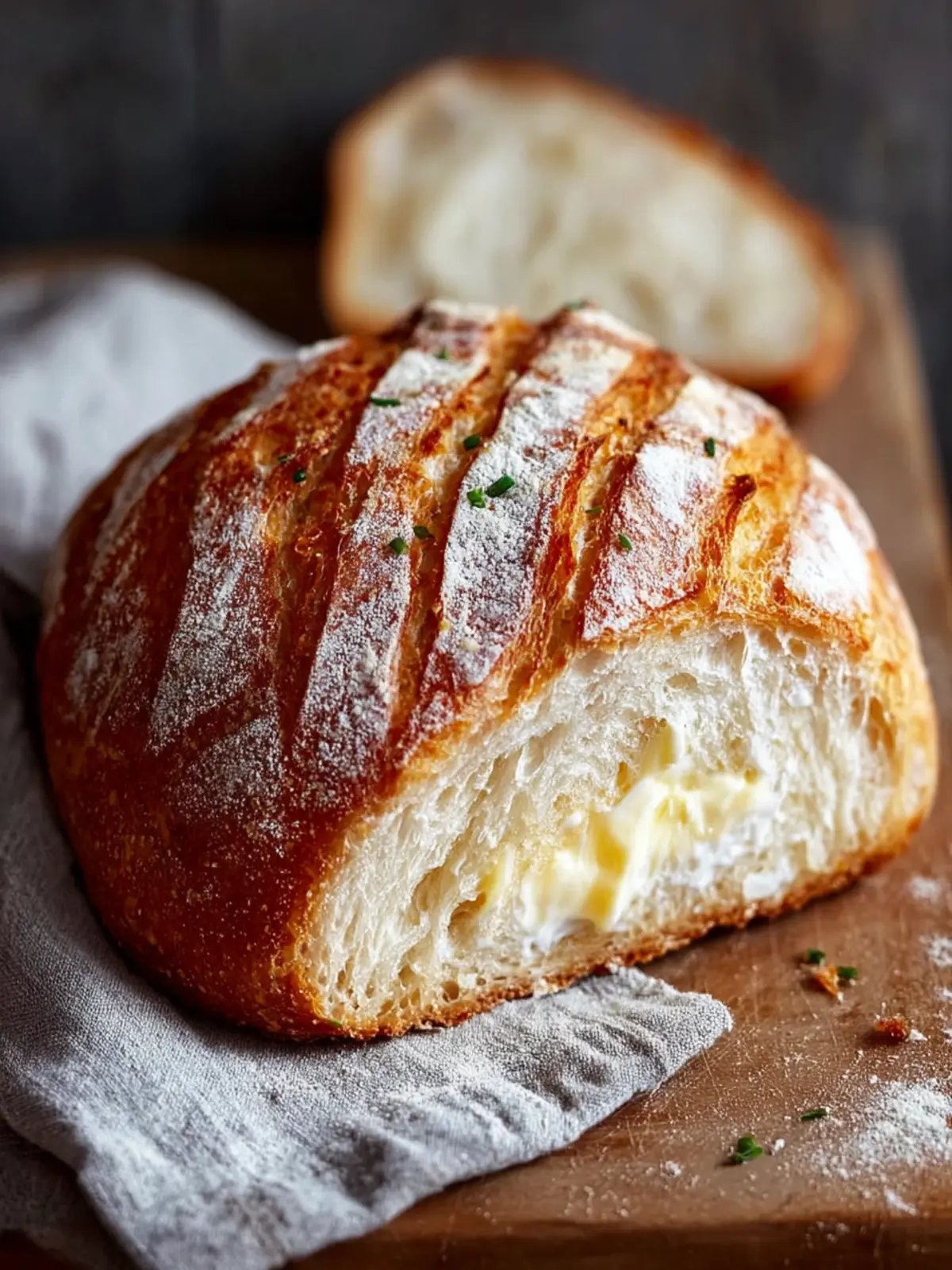
Introduction to Classic Sourdough Bread With Starters
Creating classic sourdough bread with starters is not just about baking; it’s about embracing an age-old tradition that connects our kitchens to a rich heritage of artisanal craftsmanship. Imagine the first time you pull a crusty loaf from the oven, the aroma wafting through your home, whispering tales of centuries past. The unique process of natural fermentation, driven by wild yeast and lactic acid bacteria, brings something special to your kitchen—a life that transforms simple flour and water into a bubbly, tangy dough. This enchanting alchemy not only results in a loaf that’s packed with flavor but also offers health benefits, making it a delightful addition to your meal.
What makes sourdough bread so special?
Classic sourdough bread with starters is revered for its distinctive taste and incredible texture. Unlike commercial yeast breads, the natural fermentation process gives sourdough a complex flavor profile that balances tanginess with a subtle sweetness. This bread is also characterized by its chewy crust and airy crumb, making it a sensory delight from the first bite.
Here are some factors that contribute to sourdough’s magic:
-
Natural Fermentation: The wild yeast in the starter leads to unique flavor development, giving each loaf a personality of its own. As it ferments, the dough develops both strength and a deeper flavor, resulting in unparalleled satisfaction.
-
Health Benefits: Studies suggest that sourdough is easier to digest than conventional bread thanks to its fermentation process. This makes it a great option for those with mild gluten sensitivities.
-
Versatility: Whether you’re whipping up a classic baguette, serving slices with soups, or crafting perfectly toasted avocado toast, sourdough is an adaptable companion in the kitchen.
-
Creative Process: Making sourdough can be a truly rewarding endeavor. Tending to your starter and observing how your dough comes to life can be a mindful practice, each loaf reflecting your personal touch.
As we dive into crafting your own classic sourdough bread with starters, prepare to immerse yourself in a culinary experience that intertwines patience, tradition, and creativity. Your kitchen is about to become a hub of warmth and deliciousness!
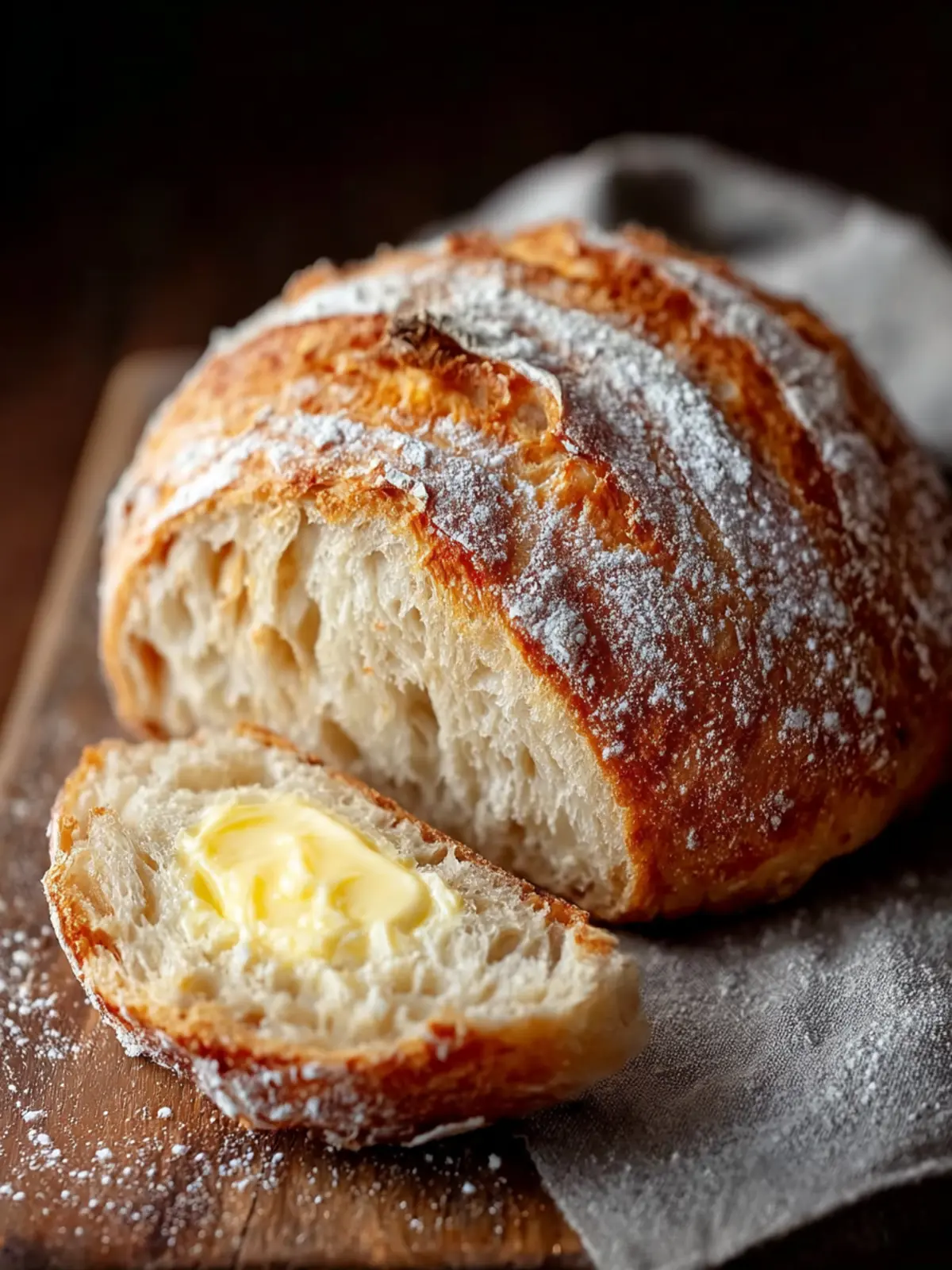
Key Ingredients for Classic Sourdough Bread With Starters
Creating the perfect classic sourdough bread with starters begins with selecting high-quality ingredients that contribute to its distinctive flavor and texture. Every step in the process matters, so let’s explore what you’ll need.
-
Bread Flour: This is your star ingredient! Its higher protein content helps develop gluten, giving the bread that chewy texture we all love. If you can find stone-milled flour, it provides a lovely depth of flavor.
-
Water: Use filtered or bottled water to ensure that no chemicals interfere with the fermentation process. The right temperature (around 75°F) can enhance the activity of the yeast in your sourdough starter.
-
Salt: A vital player in the fermentation game, salt not only flavors the bread but also strengthens the gluten structure. Using a fine sea salt is ideal for even distribution.
-
Sourdough Starter: The heart and soul of your classic sourdough bread with starters, it’s essential to feed your starter ahead of time. A bubbly and active starter means you’ll be rewarded with a well-risen loaf.
-
Optional Add-ins: While you can stick to the basics, consider experimenting with seeds or herbs to personalize your loaf and amplify its flavor.
Get ready to embrace the art of baking as these ingredients transform into a warm, crusty masterpiece in your kitchen!
Why You’ll Love This Classic Sourdough Bread With Starters
Creating classic sourdough bread with starters is the kind of kitchen adventure that brings a delightful blend of science and art into your home. Imagine waking up to the irresistible aroma of freshly baked bread that you’ve nurtured yourself. The journey of making sourdough is akin to watching a masterpiece unfold, and every loaf crafted with care tells a story.
Unique Flavor Development
One of the standout features of this sourdough recipe is its rich and complex flavor profile. The fermentation process fosters delightful tanginess, while the long rise enhances the depth of taste, making each slice a burst of joy.
Perfect Crust and Texture
You can expect a beautifully crisp crust combined with a soft, chewy interior. This balance is what makes sourdough not just a loaf, but a versatile companion for many meals—from breakfast toast topped with avocado to sandwiches for lunch.
Health Benefits
Sourdough bread is also easier to digest than many other bread types. The fermentation breaks down gluten and phytic acid, ensuring that nutrients are more accessible. You’re not just baking bread; you’re creating something wholesome for yourself and your loved ones.
When you take the time to craft classic sourdough bread with starters, you’ll find that it’s more than just a recipe—it’s an experience that could change how you view bread forever.
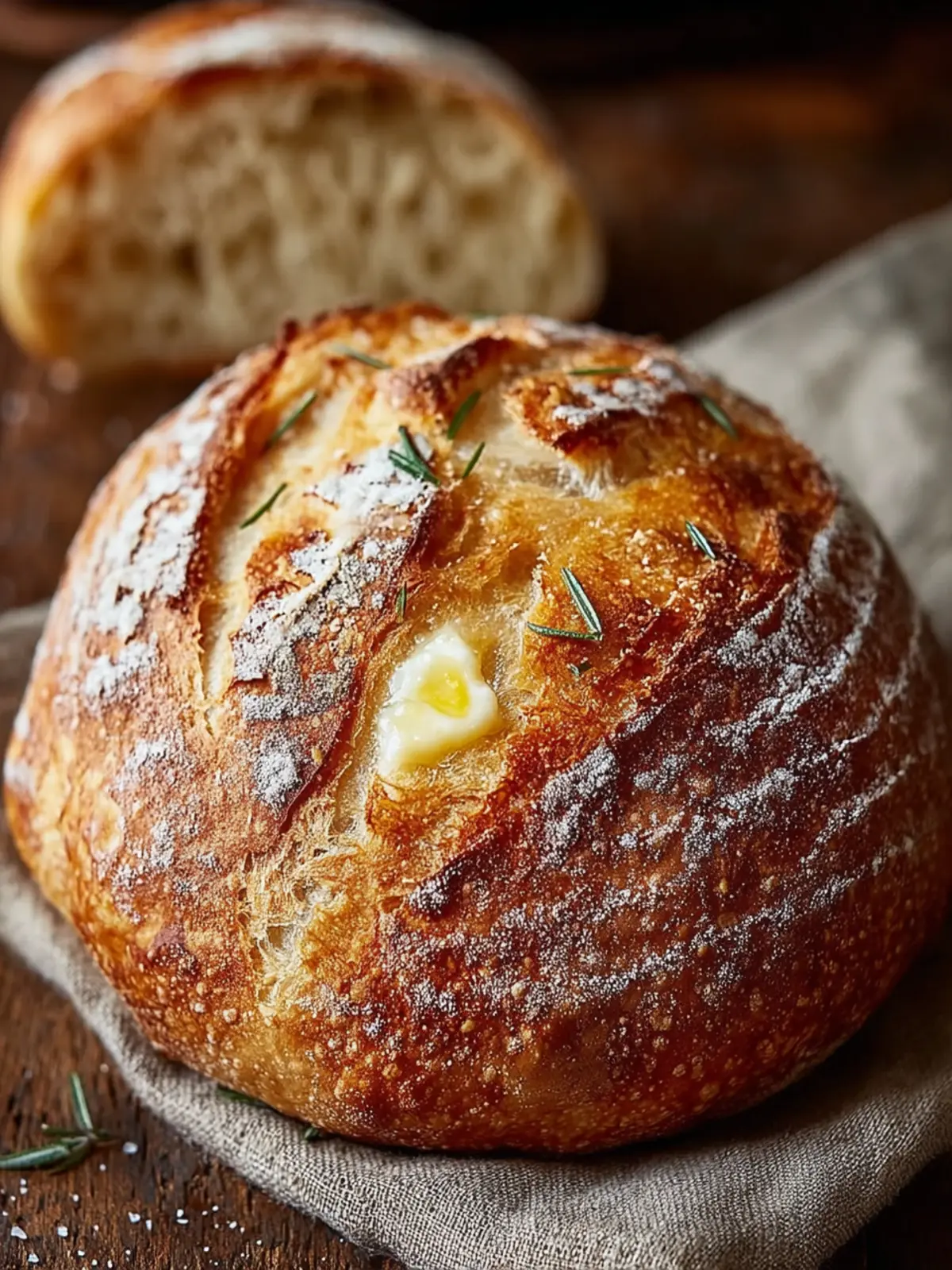
Variations on Classic Sourdough Bread
Enhancing your classic sourdough bread with starters not only brings individual flair to your baking but also allows you to explore diverse flavors that excite the palate. Let’s dive into a couple of popular variations that can transform your loaf into something extraordinary.
Adding Seeds or Nuts
Incorporating seeds or nuts into your sourdough can add texture and a delightful crunch. Experiment with:
- Pumpkin seeds: Their nutty flavor pairs wonderfully with the tanginess of the sourdough.
- Walnuts: These add a rich, buttery taste and work beautifully with a hint of honey.
- Sunflower seeds: They not only offer a pleasant crunch but also resemble the sun, brightening your loaf in the process.
To add seeds or nuts, simply fold them into your dough during the stretch and fold process. This way, they distribute evenly throughout the loaf, making every bite exciting.
Incorporating Herbs or Cheese
Imagine pulling apart a loaf of sourdough infused with fresh herbs or gooey cheese—it’s not just bread; it’s an experience. Consider adding:
- Fresh rosemary or thyme: These herbs provide an aromatic punch, elevating the bread’s flavor profile.
- Parmesan or cheddar: Adding grated cheese results in a savory loaf that’s perfect for pairing with soups or salads.
Mix your chosen herbs or cheese into the dough during the kneading phase. The result is an aromatic, savory delight that leaves your kitchen smelling divine!
By making these simple variations to your classic sourdough bread with starters, you can truly tailor your bakes to fit any occasion or personal preference. Happy baking!
Cooking Tips and Notes for Classic Sourdough Bread
Getting the Perfect Crust
Achieving a classic sourdough bread with starters begins with that irresistible crust. To create a beautifully crisp exterior, preheat your oven with a baking stone or Dutch oven inside for optimal heat retention. When it’s time to bake, add steam to the oven by placing a pan of hot water at the bottom. This creates humidity that helps with rising and crust development. For a lovely golden-brown finish, you can also lightly score the dough with a sharp blade before baking to control where it expands.
Managing Fermentation Times
Fermentation is a dance between time and temperature, and understanding it is essential for your classic sourdough bread with starters. The longer your dough ferments, the more flavor it will develop, but be mindful of your environment. If the kitchen is warm, shorter fermentation times may work better. Ideally, let your dough rise until it has doubled in size, which can take anywhere from 4 to 12 hours. To make things easier, I often stretch this time overnight in the fridge. This not only slows down fermentation but also enhances the flavor, giving you that signature tang. Pay attention and adjust based on the activity of your sourdough starter for the best results.
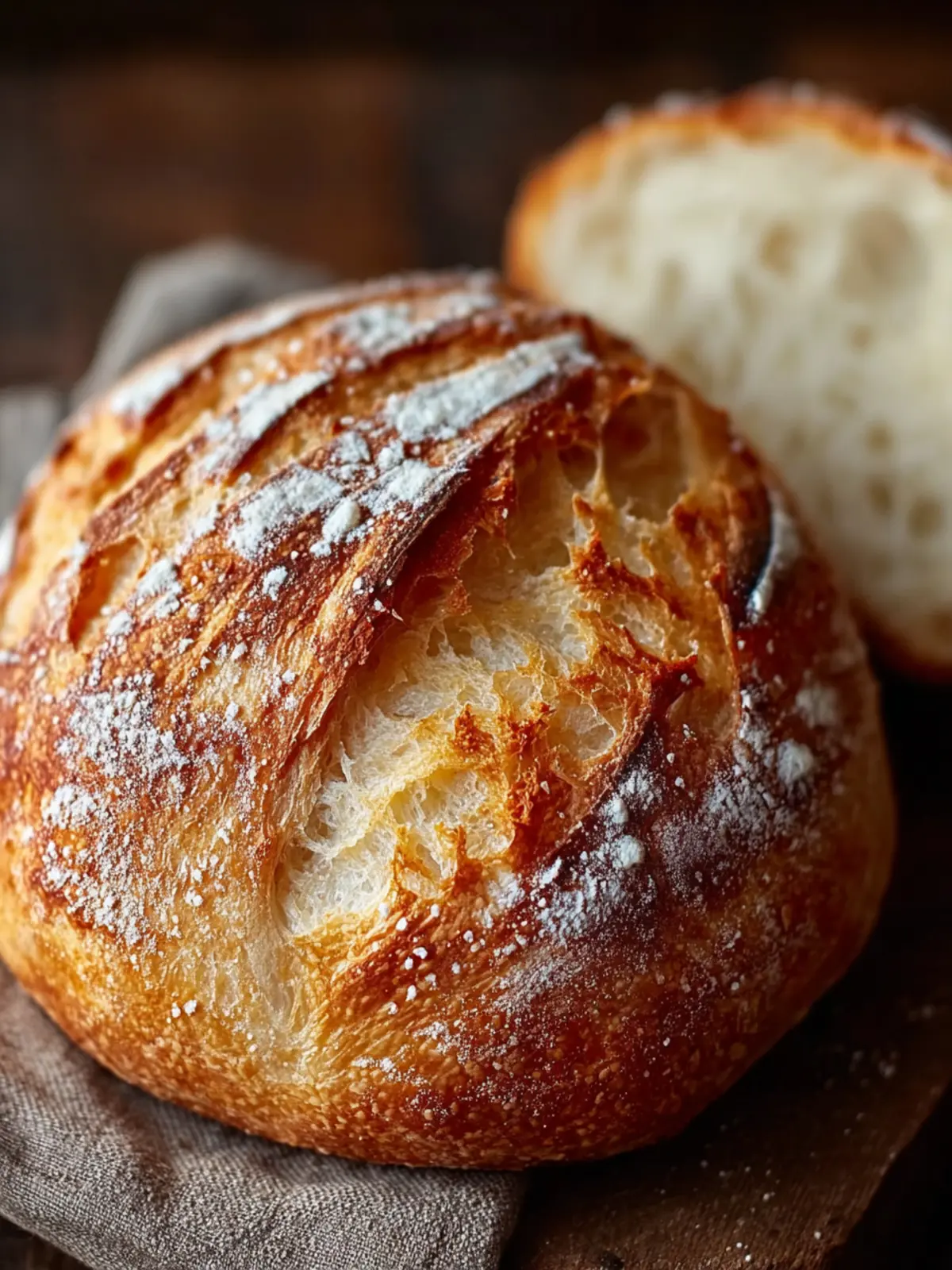
Serving Suggestions for Classic Sourdough Bread
When crafting your classic sourdough bread with starters, you unlock a world of delicious possibilities that go beyond simply enjoying a slice. This bread not only serves as a fantastic stand-alone treat but can be paired with a variety of accompaniments to elevate your dining experience.
Ideal Pairings
For a comforting brunch, nothing beats toasted classic sourdough bread slathered with creamy avocado and a sprinkle of sea salt. Alternatively, serve it warm with a rich bowl of soup; the crusty exterior and soft interior provide the perfect texture contrast.
- Cheese: Pair it with aged cheddar or a tangy goat cheese for a delightful cheese board.
- Jam: Sweet fruit preserves or homemade marmalade balance the bread’s tang, making for a delicious breakfast option.
- Charcuterie: Slice it thin and use it as a base for assorted cured meats and olives; it’s a hit at gatherings.
Gifting Sourdough
Sharing your classic sourdough bread with starters makes for a heartfelt gift. Wrap a loaf in parchment paper with a handwritten note. Who wouldn’t appreciate a beautifully homemade loaf? Consider creating a small bread basket featuring different flavors, like herb-infused or whole grain versions, for an extra special touch.
Time Breakdown for Classic Sourdough Bread
Crafting the perfect classic sourdough bread with starters can seem daunting, but breaking it down into manageable steps makes the process rewarding and enjoyable.
Feeding the Starter
Before you dive into baking, allow your sourdough starter some TLC. Feed it around 4-8 hours prior for a robust rise. Aim for a bubbly, active state that promises flavor and texture.
Mixing and Kneading
Set aside about 30 minutes for mixing and kneading. Combine your ingredients, ensuring that the flour absorbs the water fully. Knead for a good 15 minutes until the dough feels smooth and elastic. This is where the magic happens!
Baking Time
Once shaped, let your loaf rise for about 3-4 hours and then bake in a preheated oven at 450°F (230°C) for 30-45 minutes. The goal? A golden crust that crackles when you tap it. Your patience will be richly rewarded with every slice!
Nutritional Facts for Classic Sourdough Bread
Understanding the nutritional value of classic sourdough bread with starters can help you appreciate this age-old recipe even more. Every slice tells a story not just of flavor but also of wholesome nourishment.
Calories
A standard slice of classic sourdough bread contains approximately 80-100 calories. This makes it a relatively low-calorie option, perfect for light meals or snacks while still savoring the rich taste.
Carbohydrates
Each slice features about 15-20 grams of carbohydrates. These come mainly from whole grain flour, providing the energy boost you need to power through your day—ideal for those busy mornings or mid-afternoon slumps.
Fiber
One of the standout qualities of classic sourdough bread is its fiber content, boasting around 1-2 grams per slice. This fiber is essential for digestion and can help keep you feeling fuller for longer, making it a smart addition to your diet.
FAQ about Classic Sourdough Bread
Sourdough bread is a culinary adventure that beckons bakers of all levels, transforming simple ingredients into a crusty and tangy delight. As you dive into your journey of making classic sourdough bread with starters, you may have a few questions along the way. Here’s some insight to help you rise to the occasion.
How do I know my sourdough starter is ready?
Detecting when your sourdough starter is ready can almost feel like an art. Look for these signs:
- Bubbles: A bubbly texture indicates active fermentation.
- Doubling in size: Your starter should roughly double within 4-6 hours after feeding.
- Pleasant aroma: A tangy, mildly sour smell is a good sign. Avoid starters with off-putting scents.
Taking a moment to observe these factors can be the difference between a successful loaf and one that’s lackluster.
Can I use all-purpose flour instead of bread flour?
While bread flour is often recommended for classic sourdough bread with starters due to its higher protein content, using all-purpose flour is perfectly acceptable, especially if that’s what you have on hand. Just keep in mind that:
- The texture may be slightly softer.
- You might need to adjust hydration levels, as all-purpose flour absorbs less water.
Experimenting with different flours can lead to delightful variations!
Why is my sourdough bread dense?
If your bread turns out dense, several factors could be at play:
- Weak starter: If your starter isn’t fully active, it won’t provide the necessary rise.
- Under-proofing: Not allowing your dough enough time to rise can lead to density. Trust the process—let it bubble and grow.
- Too much flour: Adding excess flour during kneading or shaping can weigh your loaf down.
Making adjustments based on these factors can help you achieve that light and airy crumb we all crave in classic sourdough bread. Happy baking!
Conclusion on Classic Sourdough Bread With Starters
Embracing the journey of baking classic sourdough bread with starters can be one of the most rewarding experiences a home baker can undertake. The transformation of simple ingredients into a crusty, flavorful loaf is nothing short of magic. During the process, you’ll not only learn about the science of fermentation but also develop a deep appreciation for the time and care this recipe demands. As you slice into your freshly baked bread, the aroma filling your kitchen will be a testament to your hard work. Enjoy each bite with your favorite spreads or pairings and share the joy of homemade goodness with friends and family. Happy baking!
Print
Sourdough Bread
- Total Time: 6 hours 40 minutes
- Yield: 1 loaf 1x
- Diet: Vegetarian
Description
A delicious homemade sourdough bread.
Ingredients
- 100 grams sourdough starter
- 500 grams bread flour
- 350 grams water
- 10 grams salt
Instructions
- Feed your sourdough starter 4-6 hours before mixing until bubbly and doubled.
- In a large bowl, mix bread flour, water, and starter to form a shaggy dough. Let rest for 30 minutes.
- Add salt and mix thoroughly. Rest again.
- Perform stretch-and-folds every 30 minutes over 4-5 hours at room temperature.
- Shape dough and place in a proofing basket. Refrigerate overnight for cold fermentation.
- Preheat oven to 475°F with Dutch oven inside. Flip dough into it, score, cover and bake for 20 minutes.
- Remove lid and bake another 20-25 minutes until golden brown. Cool before slicing.
Notes
- Using a digital scale for measurements will ensure the best results.
- Letting the dough cold ferment enhances the flavor.
- Prep Time: 6 hours
- Cook Time: 40 minutes
- Category: Bread
- Method: Baking
- Cuisine: American
Nutrition
- Serving Size: 1 slice
- Calories: 80
- Sugar: 0
- Sodium: 400
- Fat: 0.5
- Saturated Fat: 0
- Unsaturated Fat: 0
- Trans Fat: 0
- Carbohydrates: 15
- Fiber: 1
- Protein: 3
- Cholesterol: 0