

Introduction to Homemade Sandwich Bread
Baking homemade sandwich bread is not just about creating a loaf; it’s about infusing your kitchen with warmth, love, and the heavenly aroma of fresh bread. Imagine the moment when you cut into a warm loaf, steam rising from each slice, revealing its soft, fluffy interior. That image resonates deeply, especially for those of us who cherish both culinary creativity and the comfort of a good meal.
The joy of baking bread at home
There’s something undeniably satisfying about the bread-making process. It starts with simple ingredients that come together to create something extraordinary. We’re talking about a hands-on experience that fosters a sense of accomplishment, connecting you back to traditions that span centuries. As you knead the dough, feel free to take a moment to reflect: each fold and turn shapes more than just the bread; it shapes an experience, a memory that you will perhaps share with friends or family around the table.
The rewards of homemade sandwich bread
-
Customization: Unlike store-bought options, homemade sandwich bread allows you to play with flavors and textures. You can incorporate seeds, grains, or even herbs for a signature loaf that aligns with your palate.
-
Quality Control: With homemade bread, you know exactly what goes into it. No preservatives or artificial ingredients—just wholesome goodness that you can feel proud to serve.
-
Cost-Effectiveness: Let’s face it, buying high-quality bread from the store can add up quickly. Making it at home is generally more economical and you get more bang for your buck.
-
Bonding Moment: There’s something magical about baking bread that draws people together. Whether it’s baking with kids or friends, this activity can produce meaningful moments worth cherishing.
In a world where quick and convenient often takes precedence, making homemade sandwich bread gives you the opportunity to slow down, enjoy the process, and bring something truly special to your dining experience. So, roll up your sleeves, gather your ingredients, and let’s dive into the delightful art of bread-making. The taste of success is just a few steps away!
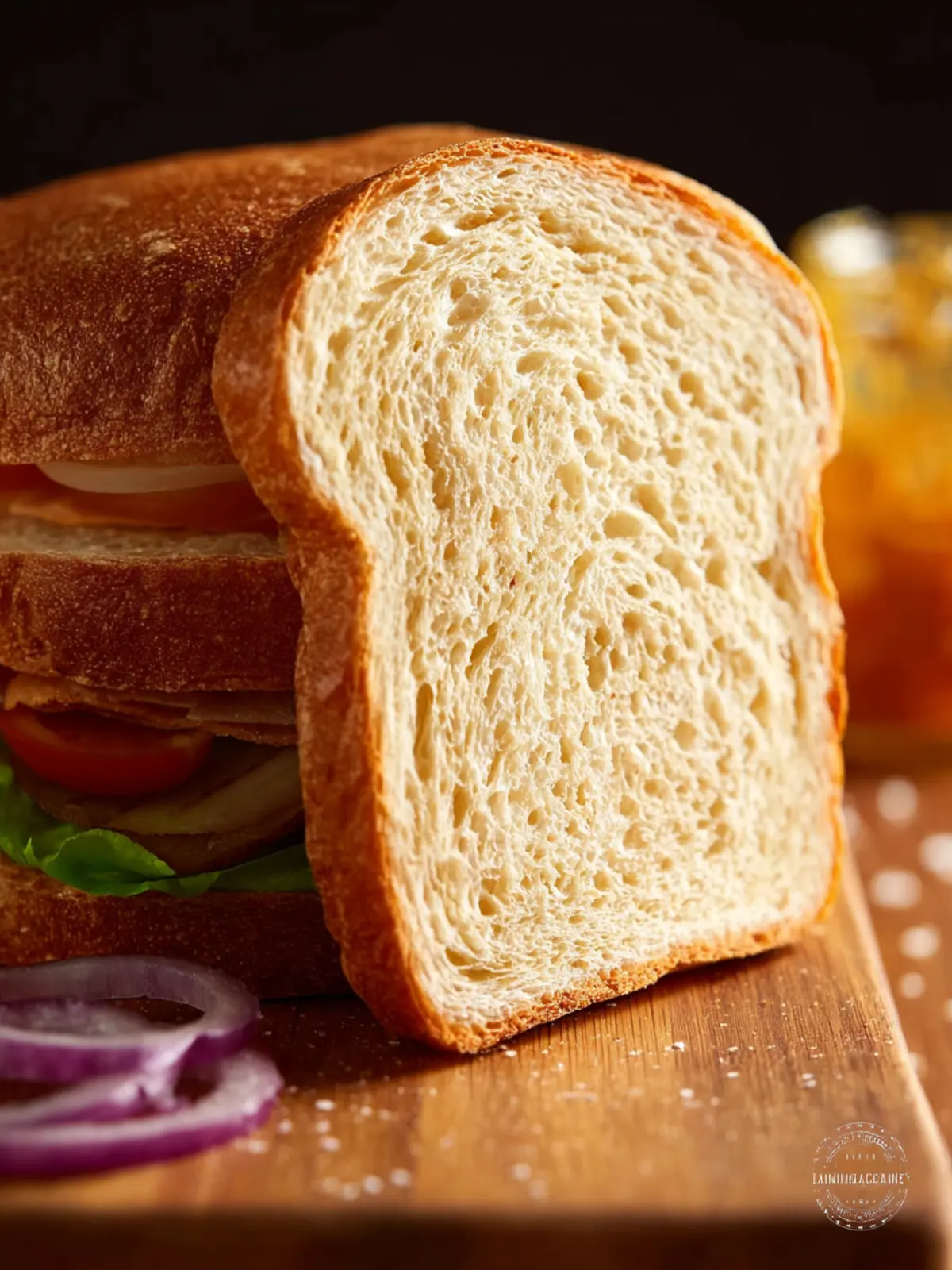
Key Ingredients for Homemade Sandwich Bread
Creating homemade sandwich bread is an adventure that begins with a few simple but essential ingredients, each playing a vital role in achieving that perfect loaf for your lunch or snack.
-
Flour: All-purpose flour is my go-to for this recipe. It provides the right balance between structure and softness. If you’re gluten-free, you can explore a gluten-free all-purpose blend that substitutes in an equal ratio.
-
Yeast: Using active dry yeast gives your bread its beautiful rise. It’s all about that fluffy texture, which you’ll only get when the yeast does its job, converting those sugars into bubbles of air.
-
Water: Warm water activates the yeast, turning those tiny granules into a bubbly mixture that will work its magic in the dough. Make sure it’s just warm to touch—not too hot or cold.
-
Salt: This often-overlooked ingredient isn’t just for flavor; it strengthens gluten and controls yeast activity, ensuring your dough rises perfectly.
-
Sugar: A small amount of sugar not only sweetens your bread but also feeds the yeast, resulting in a nice, fluffy texture.
-
Butter: Incorporating melted butter adds richness and moisture to your bread, helping it stay soft even after cooling.
Understanding the role of each ingredient transforms your homemade sandwich bread from a mere recipe into a delightful experience, one bite at a time.
Why You’ll Love This Recipe
Ease of Preparation
Imagine the aroma of homemade sandwich bread wafting through your kitchen, instantly making your house feel like a cozy cafe. This recipe is designed with busy young professionals in mind, ensuring simplicity without compromising flavor. With just a handful of ingredients and a bit of your time, you’ll be rewarded with a delicious loaf perfect for any meal.
- No Fancy Equipment: You don’t need a stand mixer; mixing by hand works just as well. It’s as easy as measuring and stirring.
- Minimal Ingredients: With basic pantry staples like flour, yeast, and salt, your shopping list will remain short and sweet, making this recipe budget-friendly.
- Set It and Forget It: Once you’ve mixed your ingredients, simply let the dough rise while you tackle other tasks or unwind with your favorite show. The hands-on time is a breeze, making it perfect for even the busiest of days.
The satisfying experience of pulling a warm loaf of homemade sandwich bread from the oven is not just about the taste; it’s about creating something special with minimal effort. Try it out, and you may find that baking becomes a new favorite past-time in your home!
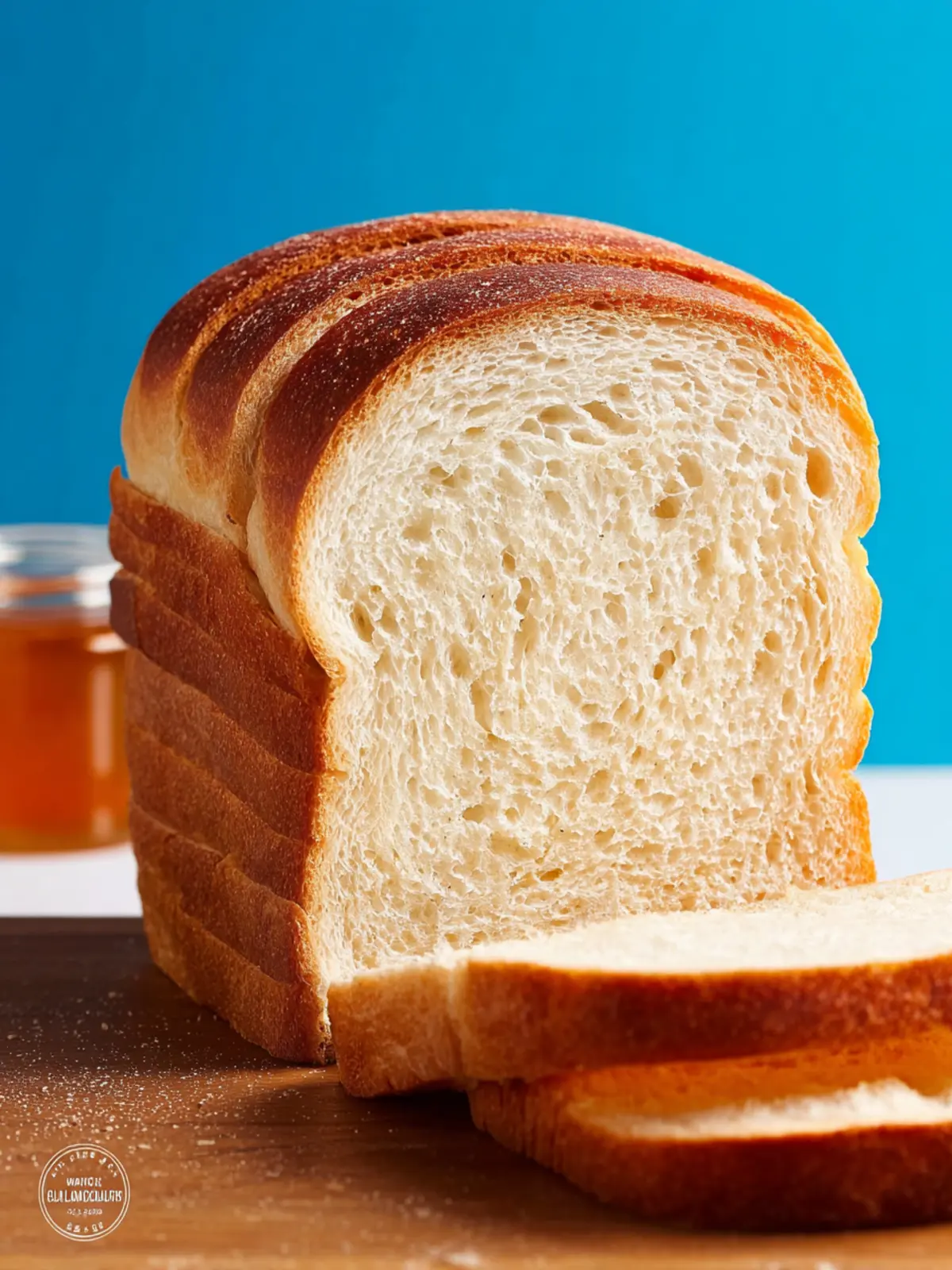
Variations of Homemade Sandwich Bread
Exploring the world of homemade sandwich bread opens up a realm of flavors and textures that can elevate any lunch or snack. Whether you’re aiming for health, dietary needs, or simply a unique twist, you can experiment and customize this staple recipe in delightful ways.
Whole Wheat Option
For those who cherish a healthier version, the whole wheat homemade sandwich bread option is a fantastic choice. Whole wheat flour not only increases the fiber content but also imparts a nutty flavor that pairs wonderfully with various sandwich fillings. Simply substitute half or all of the all-purpose flour in your recipe with whole wheat flour. Remember, you may need to slightly increase the liquid ingredients since whole wheat absorbs more moisture. It’s a small adjustment that yields big benefits for your health!
Gluten-Free Alternative
Navigating dietary restrictions doesn’t mean compromising on flavor. A gluten-free homemade sandwich bread variation can be just as satisfying. To create this version, use a gluten-free all-purpose flour blend that includes xanthan gum, which helps mimic the elasticity of traditional bread. You might also want to add some extra moisture, such as a tablespoon of apple cider vinegar or additional eggs, to achieve that perfect texture. This way, you can enjoy your sandwiches without worry!
Herb-Infused Bread
If you want to turn your homemade sandwich bread into something extraordinary, consider making an herb-infused homemade sandwich bread. Adding fresh herbs like rosemary, basil, or thyme to your dough can impart incredible flavor. Simply chop up your chosen herbs and mix them in with the dry ingredients. This small change transforms ordinary sandwiches into something gourmet. Imagine a turkey and pesto sandwich on fresh herb bread—absolutely delicious!
These variations invite creativity and cater to different palates while keeping the essence of homemade sandwich bread alive. So, roll up your sleeves and start experimenting!
Cooking Tips and Notes for Homemade Sandwich Bread
Creating the perfect homemade sandwich bread can transform your meals from ordinary to extraordinary. However, to truly nail that soft, fluffy loaf you dream of, keep the following tips and notes in mind.
Common Mistakes to Avoid
-
Skipping the Kneading: Many home bakers underestimate the power of kneading. This process develops gluten, creating the light texture we desire. Aim for at least 10 minutes of kneading—trust me, it’s worth the effort.
-
Measuring Flour Incorrectly: Flour should never be packed into your measuring cup. Instead, spoon it in lightly and level it off. Too much flour can lead to a dense loaf.
-
Neglecting Room Temperature Ingredients: Using chilled ingredients can slow yeast activation. Make sure your butter and eggs are at room temperature for the best rise and flavor.
Best Tools for Success
-
Stand Mixer: While mixing by hand is completely fine, a stand mixer with a dough hook can save you time and effort—especially during the kneading phase.
-
Instant Read Thermometer: To ensure your bread is fully baked, a thermometer can be a lifesaver. Aim for an internal temperature of about 190°F for perfectly baked bread.
-
Bread Pan: Using a sturdy 9×5-inch bread pan will help maintain the shape of your homemade sandwich bread while it bakes, encouraging even cooking.
With these insights, you’re well on your way to mastering the art of homemade sandwich bread!
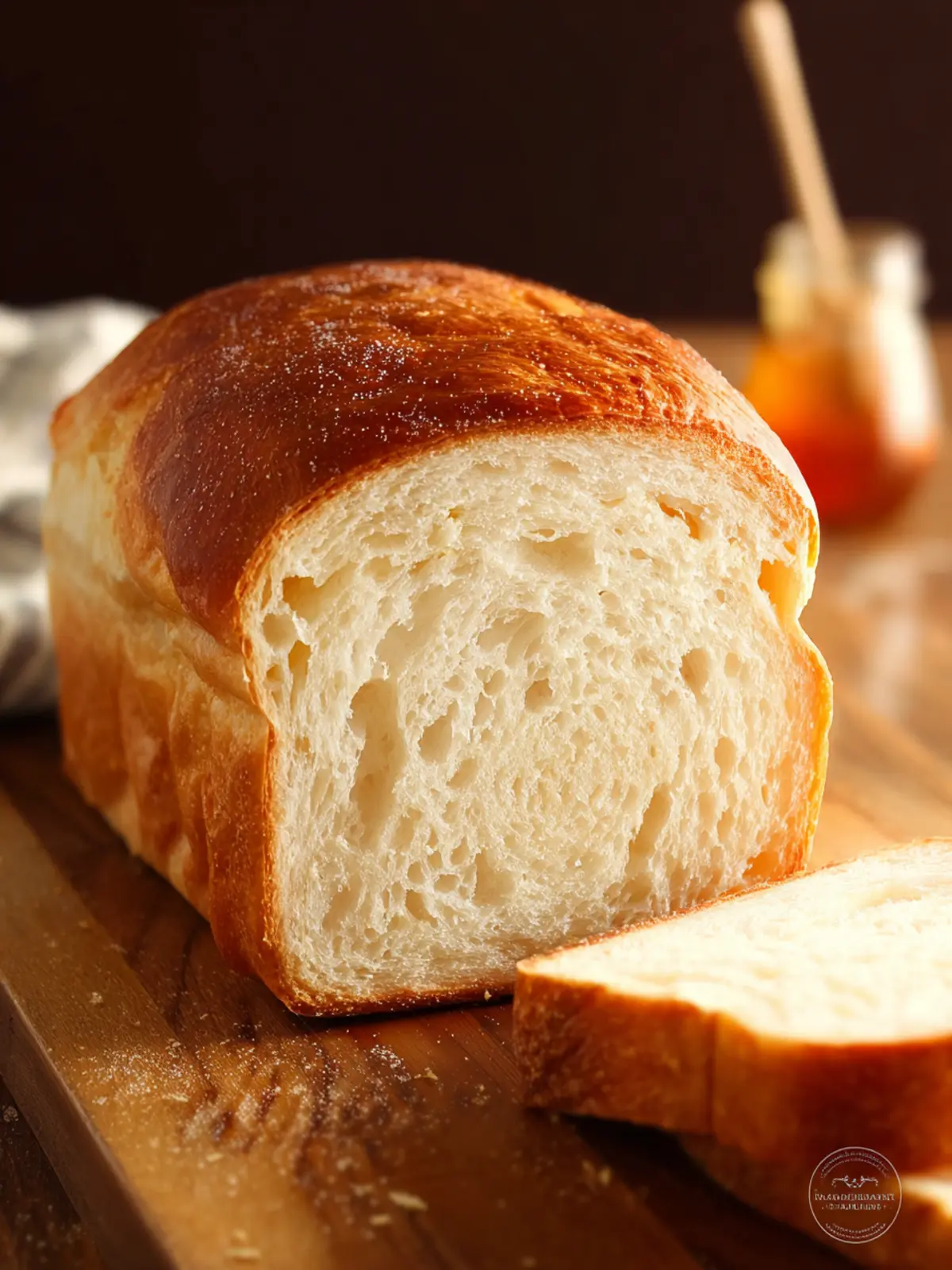
Serving Suggestions for Homemade Sandwich Bread
Creating homemade sandwich bread is just the start of a delicious journey. Picture this: you’ve baked your golden loaf to perfection, and now it’s time to transform it into crowd-pleasing sandwiches that everyone will love.
Perfect Pairings for Sandwiches
-
Classic Deli Meats: Layer your bread with a variety of deli meats, such as turkey, ham, or roast beef. Combine with your favorite cheese for that gooey, melty goodness.
-
Vegetarian Delight: Opt for roasted vegetables like zucchini, peppers, and eggplant with a spread of hummus or pesto for a fresh, vibrant sandwich.
-
Spread the Flavor: Don’t underestimate the power of condiments. Mustard, mayo, or even a zesty aioli can elevate your homemade sandwich bread experience tremendously.
-
Salad Sandwiches: Consider a classic egg salad, or even a chicken salad mixed with nuts and fruits for added texture and flavor. It’s a quick and easy option sure to impress.
-
Sweet and Savory Combos: Think beyond traditional lunches. A slice of your sandwich bread paired with nut butter and banana makes a delightful breakfast or snack!
Experimenting with fillings can lead to delightful surprises, making your homemade bread even more special. So, how will you savor your next sandwich creation?
Time Breakdown for Homemade Sandwich Bread
Creating your own homemade sandwich bread is a rewarding journey that will fill your kitchen with enticing aromas. Here’s a quick look at how to allocate your time:
Preparation Time
The initial preparation takes about 15 minutes. This includes measuring out ingredients, mixing, and kneading the dough. All good things begin with that first step!
Rising Time
This part is where the magic happens. Your dough will need approximately 1 to 1.5 hours to rise. Keep an eye on it—you want it to double in size!
Baking Time
When it’s finally ready to bake, you’ll spend about 30-35 minutes in the oven. The golden crust is worth the wait!
Total Time
All in all, you’re looking at about 2 to 2.5 hours from start to finish (including rising and baking). But trust me, each minute will lead to the softest, most delicious homemade sandwich bread ever!
Nutritional Facts for Homemade Sandwich Bread
Calories per Slice
When you whip up a loaf of homemade sandwich bread, each slice typically clocks in at around 100-120 calories. Depending on the size and thickness of your slices, this makes it a fantastic base for nutritious sandwiches, whether you’re loading it with veggies or spreading on some nut butter.
Carbohydrates
Every slice of this delightful bread contains approximately 20-25 grams of carbohydrates. These complex carbs are perfect for fueling your day—great for busy young professionals looking for sustained energy without a sugar crash.
Dietary Fiber
You’ll also find about 1-3 grams of dietary fiber per slice in your homemade sandwich bread. This fiber not only aids digestion but also helps keep you feeling full longer, making it an excellent addition to a balanced diet. Enjoy your sandwiches guilt-free and nourish your body at the same time!
FAQs about Homemade Sandwich Bread
Making homemade sandwich bread can feel like a small adventure, especially if you have questions along the way. Here are some common inquiries that might pop up during your baking journey.
Can I use different types of flour?
Absolutely! While the classic option is all-purpose flour, experimenting can yield delightful results. You can use bread flour for a chewier texture, or try whole wheat flour for added nutrition. If you’re feeling adventurous, a blend of flours, such as spelt or einkorn, can add unique flavors and characteristics to your homemade sandwich bread. Just keep in mind that different flours absorb liquids uniquely, so you might need to adjust the water in your recipe accordingly.
How do I know when the bread is done baking?
Determining the doneness of your homemade sandwich bread is key to achieving that golden, crusty exterior and soft interior. Here are a few trusty methods:
- Color Check: The crust should turn a beautiful golden brown.
- Thump Test: Gently tap the bottom of the loaf; it should sound hollow.
- Internal Temperature: A thermometer can help here; when it reaches about 190°F (88°C), your bread is ready to come out.
What is the best way to store leftover bread?
To keep your homemade sandwich bread fresh, wrap it in plastic wrap or tin foil and store it at room temperature for up to three days. If you want to keep it longer, slice the bread, place it in a freezer bag, and pop it in the freezer. This way, you can thaw individual slices whenever you need them, ensuring you always have fresh bread on hand!
Conclusion on Homemade Sandwich Bread
Creating your own homemade sandwich bread is not just about having fresh loaves; it’s an experience filled with warmth and satisfaction. The aroma wafting through your kitchen as it rises and bakes can transform a simple meal into something truly special. This simple recipe is your ticket to mastering the art of bread-making, bringing a fluffy texture and rich flavor to every bite.
Take pride in the knowledge that you control the ingredients, ensuring each slice is free from preservatives and filled with love. Whether it’s for sandwiches or simply slathered with butter, your homemade bread is sure to be a hit. Enjoy the journey!
Print
Homemade Bread
- Total Time: 1 hour 15 minutes
- Yield: 1 loaf 1x
- Diet: vegetarian
Description
A simple and delicious homemade bread recipe.
Ingredients
- ¾ cup whole milk (warm, 105 to 115°F (40 to 46°C))
- ½ cup water (warm, 105 to 115°F (40 to 46°C))
- 1 tablespoon honey (or granulated sugar)
- 2 tablespoons unsalted butter (melted and cooled slightly)
- 3 ½ cups white flour (all-purpose or bread flour)
- 1 ½ teaspoons fine sea salt
- 1 packet instant yeast (use just 1½ teaspoons (4 g) yeast for bread machine version)
Instructions
- Whisk the flour, salt, and instant yeast in the bowl of a stand mixer fitted with a dough hook.
- Add the warm milk, warm water, honey, and melted butter.
- Beat on low speed until the dough comes together and no dry spots remain.
- Increase to medium speed and knead for 8 minutes, until the dough is smooth, elastic, and can stretch thin enough to see light through it (windowpane test).
- If the dough becomes too sticky during kneading, sprinkle 1 teaspoon flour at a time over the dough or into the bowl, just until you have a soft, slightly tacky dough. Do not add more flour than you need.
- Shape the dough into a ball and place it in a lightly greased bowl.
- Cover and let rise until doubled in size, 60 to 75 minutes.
- Lightly grease a 9 by 5 inch (23 by 13 cm) loaf pan.
- Turn the dough out and press it into an 8 by 12 inch (20 by 30 cm) rectangle.
- Roll up tightly from the short side, pinch the seam, and tuck the ends under.
- Place seam side down in the pan and cover with plastic wrap or a damp towel.
- When the dough reaches the rim of the pan, preheat the oven to 350°F (180°C).
- Continue proofing until the dome is about 1 inch (2 cm) above the rim and a gentle poke slowly springs back.
- Bake on the center rack for 15 minutes, then rotate the pan 180 degrees.
- Continue baking until deep golden and the center reads 200°F (93°C), about 15 to 20 minutes more.
- Cool in the pan for 10 minutes, then turn out onto a wire rack and cool completely. While the bread is still warm, rub butter over the top crust to keep it soft.
- Add ingredients to the pan in this order: milk, water, honey, melted butter, flour, salt, instant yeast. Use 1½ teaspoons (4 g) yeast.
- Insert the pan, close the lid, and select Basic or White, Medium or 1½-lb loaf, and your preferred crust color. Start the cycle.
- When the cycle ends, unplug the machine and remove the pan with oven mitts.
- Cool in the pan for 10 minutes, then shake the loaf out, remove the paddle if needed, and cool completely on a wire rack. Brush the top with butter while the bread is still warm, if desired.
Notes
- This recipe can be adapted for a bread machine by following specific instructions provided in the recipe.
- Use fresh ingredients for the best results.
- Prep Time: 15 minutes
- Cook Time: 30 minutes
- Category: Breads
- Method: baking
- Cuisine: American
Nutrition
- Serving Size: 1 slice
- Calories: 100
- Sugar: 0.5g
- Sodium: 150mg
- Fat: 3g
- Saturated Fat: 1.5g
- Unsaturated Fat: 1g
- Trans Fat: 0g
- Carbohydrates: 18g
- Fiber: 1g
- Protein: 3g
- Cholesterol: 5mg