
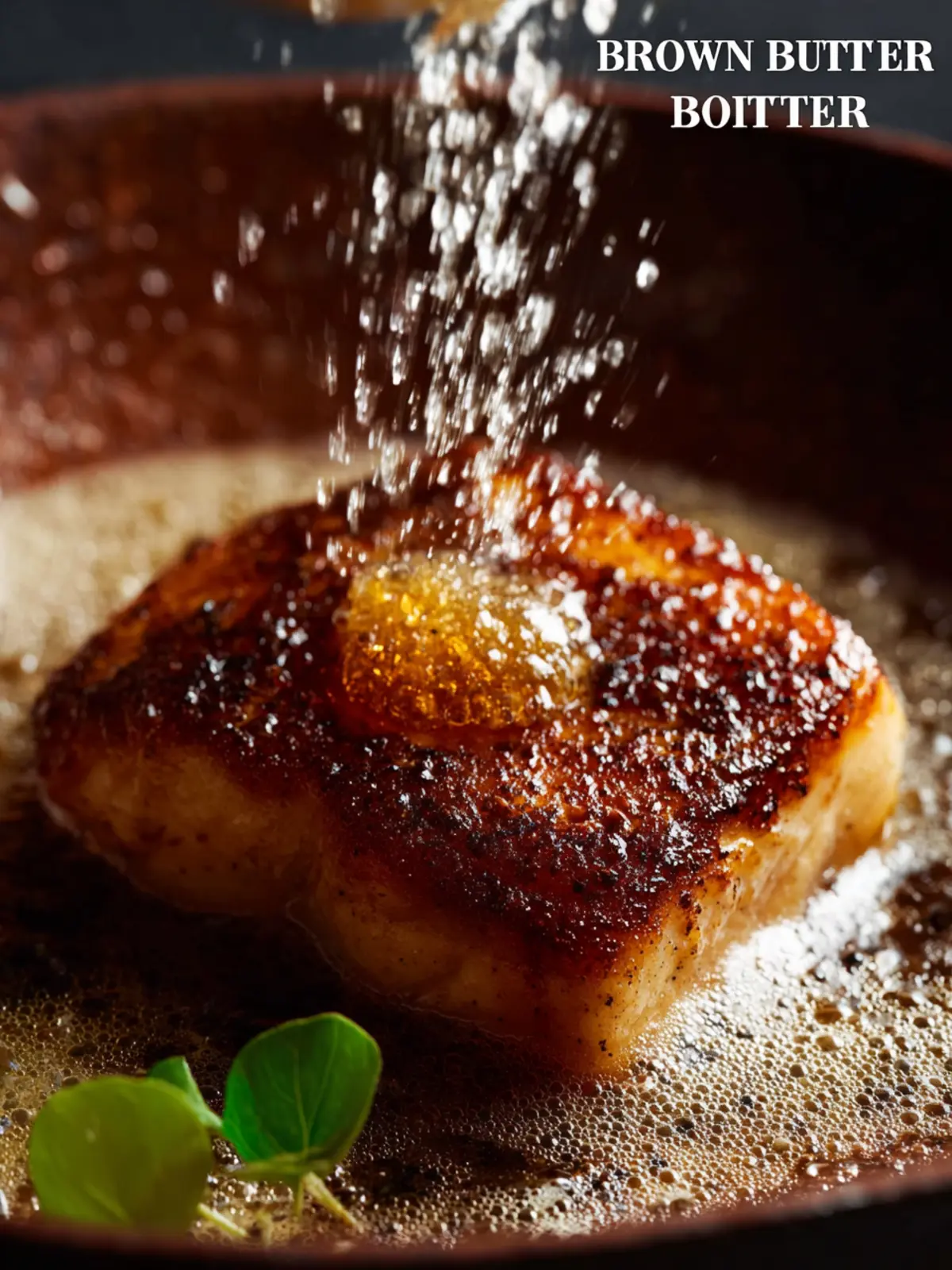
Introduction to How to Make Brown Butter
Imagine the alluring aroma of nutty, toasty butter wafting through your kitchen, enticing friends and family alike. That’s the magic of learning how to make brown butter! As you embark on your culinary journey, you’ll discover that this simple technique transforms ordinary dishes into extraordinary culinary delights. Whether you’re enhancing a baked good, enriching a savory sauce, or drizzling it over vegetables, brown butter adds a rich depth that elevates any meal.
The beauty of brown butter lies not only in its flavor but also in its versatility. It starts with one everyday ingredient—unsalted butter. As you gently heat it, the milk solids toasting and caramelizing, you’ll witness a vibrant metamorphosis. This process takes only a few minutes, but the results are remarkably profound. You might find yourself reimagining traditional recipes, incorporating brown butter into your favorite desserts like cookies, muffins, or even brownies.
The magic behind brown butter
So, what makes brown butter so special? The transformation occurs in a couple of simple steps:
-
Melting the Butter: Begin by melting your unsalted butter in a heavy-bottomed saucepan over medium heat. This ensures even cooking and avoids any risk of burning.
-
Watching and Waiting: As it melts, the butter will bubble and foam. It’s crucial to stay close and keep an eye on it. You want those lovely golden milk solids, not a charred mess—about 5 to 8 minutes should suffice.
-
Color and Aroma: Pay attention to the color; you’re aiming for a rich, amber hue. You’ll also start to detect that delightful, nutty aroma. This is when your brown butter is at its peak!
-
Cooling Down: Once achieved, promptly remove it from the heat and pour it into a heatproof vessel to halt the cooking process.
By mastering how to make brown butter, you’re cultivating a new level of flavor in your culinary repertoire. Imagine adding a hint of this aromatic butter to your next dish and how it deepens the taste! It’s an easy skill that will impress your guests and give your everyday meals a gourmet twist.
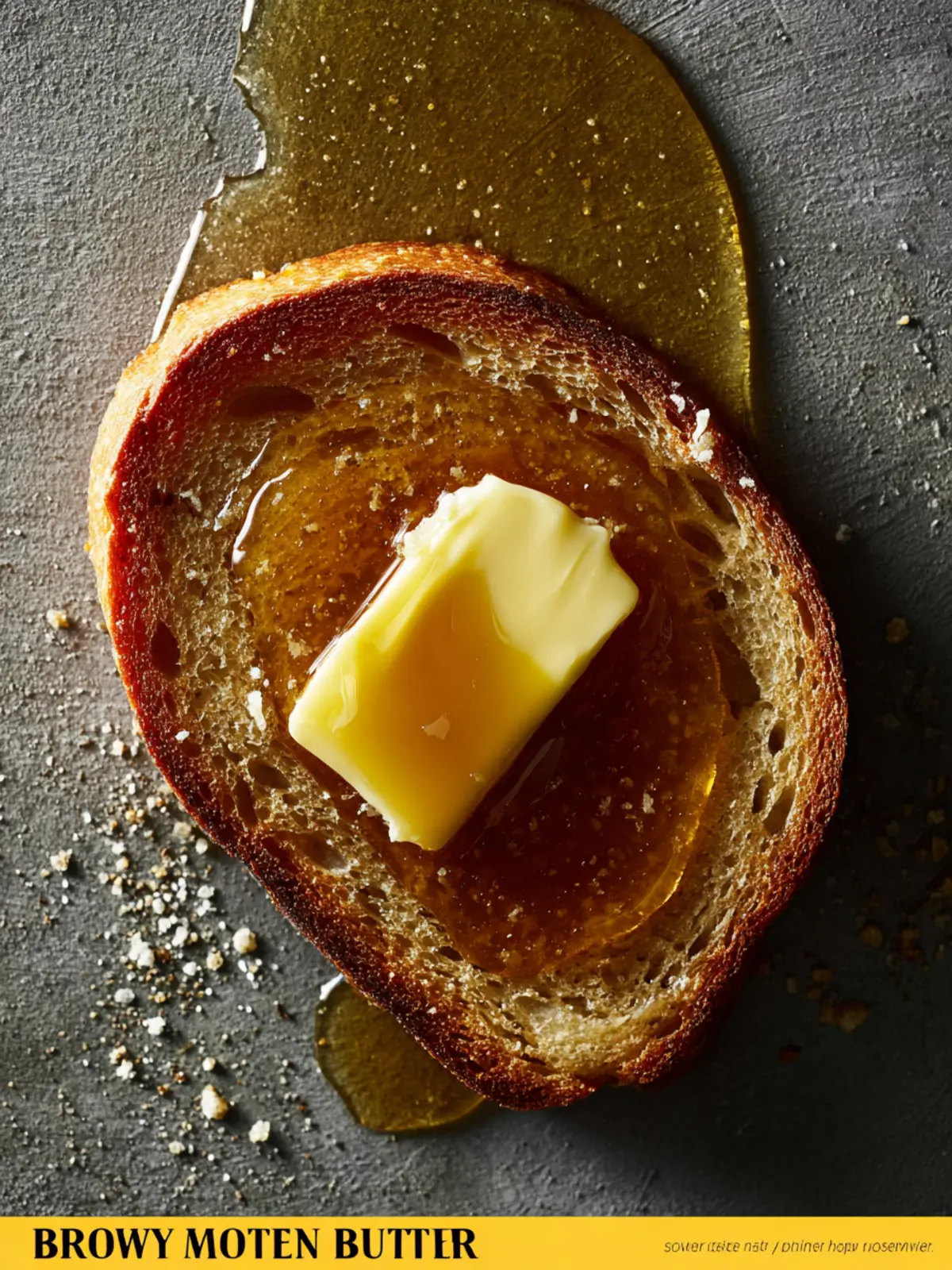
Key Ingredients for How to Make Brown Butter
Butter: The star of the show in how to make brown butter is, of course, the butter. I prefer using unsalted butter for its clean and pure flavor, allowing me to control the saltiness in my final dish. To ensure even melting and to speed up the browning process, I cut the butter into tablespoon-sized chunks. The moment it begins to bubble and emit that heavenly nutty aroma, you’ll know you’re on the right track!
A Pan: Choose a light-colored pan. A stainless steel or light-colored skillet works best because it allows you to see the color change clearly. Avoid using nonstick pans as they can make it difficult to gauge the browning process correctly.
Patience: While it may be tempting to rush, mastering this technique requires a bit of patience. Stay close and watch those tiny milk solids dance at the bottom—once they turn golden brown, you’re ready to take it off the heat. Enjoy the delightful transformation!
Why You’ll Love This Brown Butter
Brown butter, or beurre noisette, isn’t just a cooking technique; it’s a transformative experience that can elevate your culinary creations to new heights. Imagine standing in your kitchen, the aroma of nutty, toasted butter swirling around you—there’s something magical about it.
Rich flavor that enhances any dish
One bite of anything made with brown butter—whether it’s cookies, pasta, or vegetables—and you’ll understand why chefs rave about it. That unique flavor, the result of milk solids caramelizing, adds a deep richness that simply can’t be replicated with regular butter.
- Versatility: From baking to savory dishes, brown butter enhances flavors tremendously. It works wonders in everything from pumpkin pies to sautéed greens.
- Complexity: The nutty, slightly sweet undertones give depth to simple recipes. Even the most basic sautéed vegetables become gourmet with a drizzle of brown butter.
- Texture: The toasty essence of brown butter can also change the texture of baked goods, imparting a delightful chewiness and decadent mouthfeel.
Learning how to make brown butter is a game changer in the kitchen. So, why not give it a try? Your taste buds will thank you!
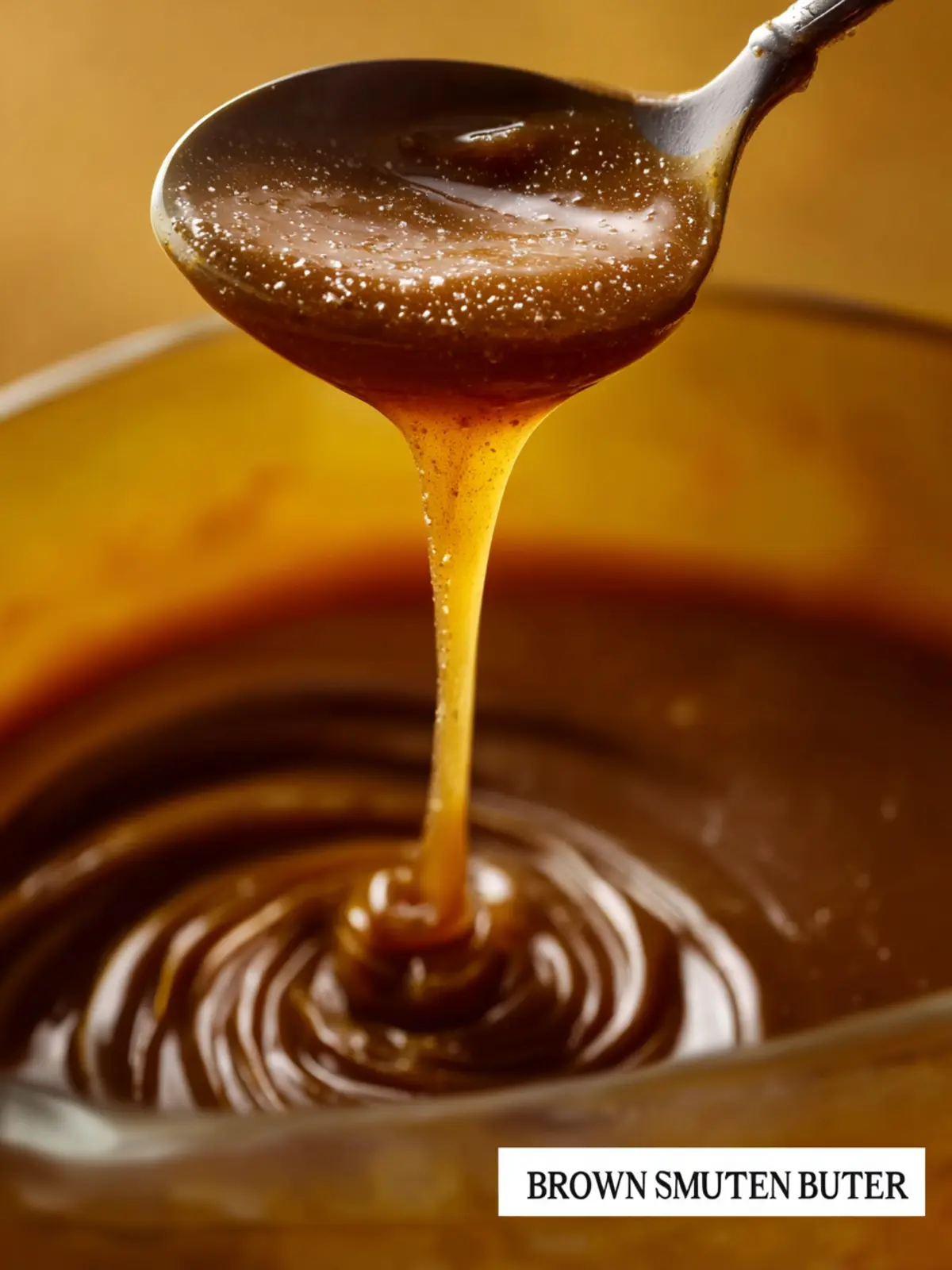
Variations of Brown Butter
Learning how to make brown butter is a game-changer in the kitchen, but did you know there are delightful variations to explore? These adaptations not only enhance the nutty flavor of brown butter but can also add exciting twists to your favorite dishes.
Infused Options and Creative Uses
Experimenting with infusions can elevate brown butter from simple to sensational. Here are a few delightful ideas to inspire your creativity:
-
Herb-Infused Brown Butter: Add fresh herbs like thyme, rosemary, or sage while browning the butter. This savory twist is perfect for drizzling over roasted vegetables or pasta dishes.
-
Citrus-Infused Brown Butter: Include lemon or orange zest during the browning process. The bright notes add a refreshing depth, making it ideal for seafood, salads, or baked goods like muffins.
-
Spiced Brown Butter: For a warm, cozy flavor, try infusing with spices such as cinnamon, nutmeg, or even cardamom. This variation works wonderfully in desserts, like cookies or pancakes.
-
Nutty Brown Butter: For an extra layer of flavor, toss in a handful of chopped nuts (like pecans or walnuts) just before the butter finishes browning. This adds a delightful crunch and richness, perfect for topping ice cream or in granola.
By embracing these variations, you can truly master how to make brown butter and tailor it to your culinary adventures!
Cooking Tips and Notes for Brown Butter
Mastering the Technique
Creating brown butter is a transformative process that elevates your culinary creations, lending them a nutty, rich flavor that’s simply irresistible. To master the art of how to make brown butter, follow these tips that turn a simple melting of butter into a gourmet experience.
-
Watch the Color Change: As you melt the butter, pay attention to the color. It will go from a pale yellow to a golden hue, then transition to a warm brown. This change signals that the milk solids are caramelizing, contributing to that coveted flavor profile.
-
Smell the Transformation: The aroma is equally telling. Once it starts to produce a fragrant, toasty scent, it’s the perfect moment to remove it from the heat. Don’t walk away, though—this happens quickly, and it’s easy to go from perfect to burnt!
-
Use a Light-Colored Pan: Opt for a light-colored skillet to easily monitor the butter’s color. Dark pans can hide the browning process, leading to overcooking.
-
Cool Down Gradually: After browning, allow the butter to cool slightly before using it in your recipes. This can prevent cooking other ingredients prematurely, ensuring a perfectly balanced dish.
With these tips in your back pocket, you’re well on your way to mastering how to make brown butter and impressing anyone lucky enough to enjoy your cooking!
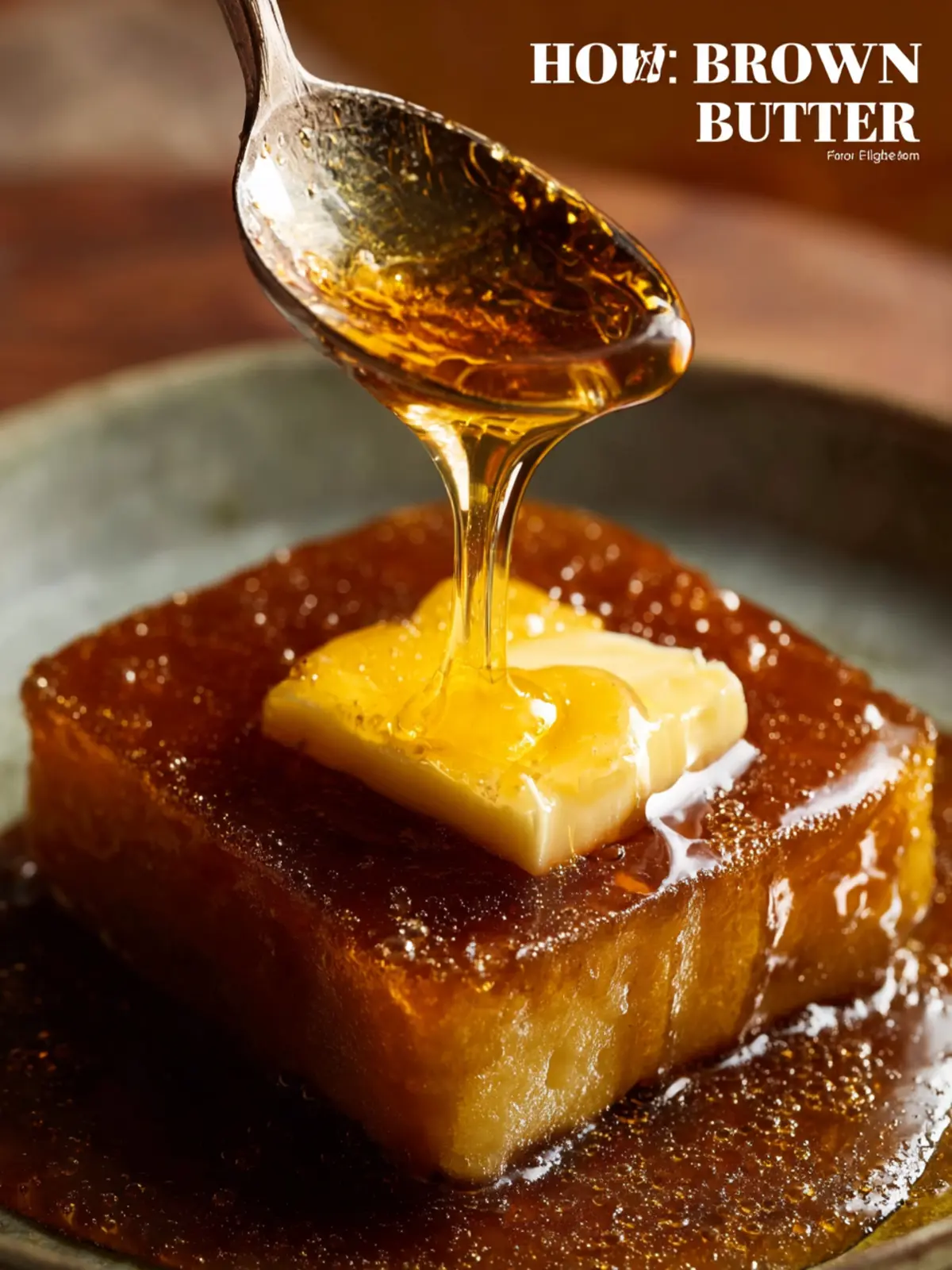
Serving Suggestions for Brown Butter
Brown butter is not just an intriguing culinary technique; it’s an experience that can transform your favorite dishes into something extraordinary. Imagine the rich, nutty flavor of brown butter elevating simple ingredients into a gourmet delight. Let’s explore how you can incorporate this delightful ingredient into your meals.
Elevate your favorite dishes
-
Pasta: Drizzle brown butter over your favorite pasta, like fettuccine or gnocchi. Toss in some crispy sage or toasted pine nuts for added texture and flavor. You’ll be amazed at how this simple addition can create a luxurious meal in minutes.
-
Vegetables: Roasted vegetables, particularly Brussels sprouts or cauliflower, shine when finished with brown butter. It adds depth and richness, turning everyday fare into a memorable side dish.
-
Baked Goods: Consider baking a batch of cookies or cakes with brown butter. It lends a warm, toasty note to treats like chocolate chip cookies, enhancing their flavor profile significantly.
-
Breakfast: Use brown butter to sauté your morning scrambled eggs or pour it over oatmeal for a nutty twist. Pair with fresh fruits and nuts for a wholesome breakfast that feels indulgent.
With these tips on how to make brown butter shine, you’re well on your way to impressing friends and family alike with your culinary creativity. Experiment, have fun, and enjoy the nutty goodness that brown butter brings to the table!
Time Breakdown for Making Brown Butter
Creating brown butter is a delightful ritual that transforms a simple ingredient into something magical. Knowing how to make brown butter efficiently can enhance your cooking experience and add depth to your recipes.
Preparation time
Getting started only takes about 5 minutes. Gather your ingredients, which mainly include unsalted butter, and have everything measured and ready to go.
Cooking time
The magic happens during the cooking process, which takes around 10 minutes. Keep a close eye on the butter as it melts and caramelizes to avoid burning.
Cooling time
Once you achieve that gorgeous nutty aroma and deep color, let the brown butter cool for around 10 minutes before using it in your recipes. This helps preserve its unique flavor and ensures it’s safe to handle.
Crafting brown butter is a rewarding process that will elevate any dish it graces!
Nutritional Facts for Brown Butter
Making brown butter not only elevates the taste of your dishes but also comes with its own unique nutritional profile. Understanding these figures can help you savor it responsibly.
Calories
A tablespoon of brown butter contains approximately 100 calories. It’s important to remember that this rich flavor comes at a cost, so moderation is key.
Fats
Brown butter is rich in fats, with about 11 grams per tablespoon, primarily from saturated fats. While these fats contribute to its delicious taste, choosing the right amount matters for overall health.
Sodium
Interestingly, brown butter doesn’t contain significant sodium—often less than 1 milligram per tablespoon depending on the butter used. This makes it a great option when you’re watching your salt intake while trying to enhance your meals.
Understanding these nutritional facts is essential when learning how to make brown butter, striking the right balance between indulgence and nutrition.
FAQs about Brown Butter
Making brown butter not only elevates the flavor of your dishes but also opens up a world of culinary possibilities that are hard to resist. Here are some frequently asked questions to help you navigate through this rich and nutty ingredient.
What’s the difference between brown butter and regular butter?
The main difference lies in the cooking process. When you heat regular butter, it melts and begins to foam. To transform it into brown butter, you continue cooking it until the milk solids caramelize, giving it a rich, nutty flavor and a beautiful golden-brown color. This depth of flavor is what sets brown butter apart, making it a favorite in both savory and sweet recipes.
How can I store brown butter?
Once you’ve mastered how to make brown butter, you’ll want to ensure it stays fresh. You can store it in the refrigerator for up to two weeks. Just let it cool, then transfer it to an airtight container. For longer storage, brown butter can be frozen in ice cube trays and then popped into freezer bags for up to three months. This way, you’ll have it on hand for all your culinary adventures!
Can I use brown butter in baking?
Absolutely! Brown butter can be an excellent addition to many baked goods, imparting a unique flavor profile. Whether you’re making cookies, cakes, or muffins, substituting regular butter with brown butter infuses them with warmth and richness. Just remember that its bold flavor can be quite pronounced, so it’s best to experiment in small batches until you find the perfect balance for your favorite recipes!
Conclusion on How to Make Brown Butter
Creating brown butter is not just a culinary skill; it’s a journey of transformation. From a simple ingredient to a rich, nutty powerhouse, brown butter elevates your dishes in unexpected ways. Whether you’re drizzling it over pasta, incorporating it into baked goods, or simply savoring its aroma, the magic lies in the process.
Your next culinary adventure awaits! So, gather your ingredients, keep an eye on that pan, and allow the butter to develop its golden hue. You’ll soon discover how easy it is to make brown butter, and you’ll never look at butter the same way again. Enjoy the journey and happy cooking!
Print
Brown Butter
- Total Time: 15 minutes
- Yield: 1 cup 1x
- Diet: Vegetarian
Description
This recipe teaches you how to make brown butter, which adds a rich and nutty flavor to your dishes.
Ingredients
- 1 cup butter, cut into tablespoon-sized chunks
- 1 medium-size pot or sauté pan to cook
- 1 whisk or spoon for stirring
- 1 heat-proof bowl for the butter to cool
Instructions
- Add the butter to a medium pan or skillet and melt over medium heat.
- Stir or whisk the butter every so often to keep it moving until it starts to bubble up. You should be able to see the bottom of the pan through the bubbles at this point.
- After about 5-10 minutes, the bubbles will turn to foam and you will no longer be able to see the bottom of the pan. Stir or whisk constantly as it foams, keeping an eye on the milk solids that you should notice fall to the bottom.
- After a minute or so, the butter will darken from yellow to amber and the milk solids will darken into a golden brown. You should also notice a rich & nutty aroma.
- Take the pot off the heat, and pour into a heat-proof bowl or container to stop cooking and cool down.
- Let cool a bit before using. How long you cool it will depend on what you’re using it for, so look to your recipes for guidance. Use melted or fully cooled & solidified.
Notes
- Brown butter can be used in various recipes, ranging from cookies to pastas.
- Make sure to keep a close eye while the butter is foaming to avoid burning it.
- Prep Time: 5 minutes
- Cook Time: 10 minutes
- Category: Sauces
- Method: Stovetop
- Cuisine: American
Nutrition
- Serving Size: 1 tablespoon
- Calories: 100
- Sugar: 0
- Sodium: 0
- Fat: 11g
- Saturated Fat: 7g
- Unsaturated Fat: 3g
- Trans Fat: 0g
- Carbohydrates: 0g
- Fiber: 0g
- Protein: 0g
- Cholesterol: 30mg