

Introduction to Genoise Sponge Cake
Genoise Sponge Cake is not just a dessert; it’s a delightful experience that can elevate your baking repertoire. Originating from Italy, this versatile sponge captures the essence of simplicity while offering endless possibilities for flavor. I still remember the first time I tasted a slice at a quaint Italian bakery. Its light, airy texture and subtle sweetness linger in my memory, reminding me why this cake has secured a cherished spot in global cuisine.
So, what exactly makes Genoise Sponge Cake a classic? Unlike other sponge cakes, Genoise doesn’t rely on chemical leaveners such as baking powder. Instead, the magic lies in the technique of incorporating air into the batter by whisking eggs and sugar together until they reach a voluminous, frothy consistency. This method encourages the cake to rise beautifully, creating a light yet sturdy structure, perfect for layering with creams or fresh fruits. Many bakers marvel at their ability to master this technique, often citing it as a rite of passage in their culinary journeys.
Additionally, Genoise Sponge Cake is prized for its adaptability. It can be served plain, layered with whipped cream, or infused with syrups and flavors like vanilla or lemon zest. The versatility also means it can change based on the season or occasion—think of a summer berry trifle or a rich chocolate version for a festive celebration.
Here are some reasons why you might want to dive into making this scrumptious cake:
- Light Texture: The air whipped into the eggs provides a fluffy consistency that melts in your mouth.
- Customizable: Play around with flavors and fillings to match your taste or the event you’re celebrating.
- Classic Elegance: A simple dusting of powdered sugar can elevate it to gourmet status, making it an impressive centerpiece for any gathering.
Embarking on the Genoise Sponge Cake adventure promises not only a delicious treat but also the joy of skillfully creating something that resonates with tradition and flavor. Ready to get started? Your kitchen awaits!

Key Ingredients for Genoise Sponge Cake
Crafting a delightful Genoise sponge cake requires the perfect blend of ingredients, each playing a vital role in the cake’s airy texture and subtle flavor. Let’s dive into what you’ll need!
-
Eggs: Fresh eggs are the star of the show here. They provide the necessary structure and stability. When whisked, they trap air, allowing the cake to rise beautifully. Separating the eggs into yolks and whites can give you an even lighter sponge as the beaten egg whites will create that characteristic fluffiness.
-
Granulated Sugar: This sweetens your sponge while also enhancing its moistness. When combined with the eggs, sugar helps to stabilize the mixture, resulting in a delightful texture.
-
All-Purpose Flour: The foundation of your cake, all-purpose flour complements the eggs and sugar perfectly. Be sure to sift it before incorporating to avoid any lumps and ensure a smooth batter.
-
Butter: Adding melted butter contributes richness and a wonderful flavor. It also aids in creating that tender crumb we’re all after in a perfect Genoise sponge cake.
-
Vanilla Extract: A splash of vanilla enhances the overall flavor profile, making each slice as aromatic as it is delicious.
Each ingredient is essential to achieving that light, airy quality that Genoise sponge cake is celebrated for, ensuring a sweet and elegant finish to any dessert.
Why You’ll Love This Recipe
Genoise sponge cake is a delightful classic that brings an elegance to any celebration. Its airy texture and subtle sweetness create the perfect base for an array of frosting and fillings, making it a versatile choice for your baking adventures. Picture this: you’re hosting a gathering, and everyone is intrigued by a beautifully layered cake, each slice revealing a light, tender crumb. This is the magic of Genoise sponge cake—a canvas for your creativity.
Here’s why you’re going to adore this recipe:
-
Simplicity Meets Flavor: The ingredients are straightforward, yet each contributes beautifully to the final taste. The rich, buttery flavor pairs perfectly with strawberries, whipped cream, or a light mousse, enhancing the experience for your guests.
-
Perfect for Any Occasion: Whether you’re celebrating a birthday, throwing a bridal shower, or just indulging in a Sunday treat, this cake fits right in.
-
Impressive Yet Easy: While it looks and tastes sophisticated, mastering Genoise sponge cake is easier than you think. You’ll impress your friends with minimal fuss.
-
Customizable: Add your favorite flavors—vanilla, citrus zest, or even a hint of espresso. The possibilities are endless, allowing you to tailor it to your palate.
Bake this exquisite cake today, and watch it become a staple in your recipe collection!
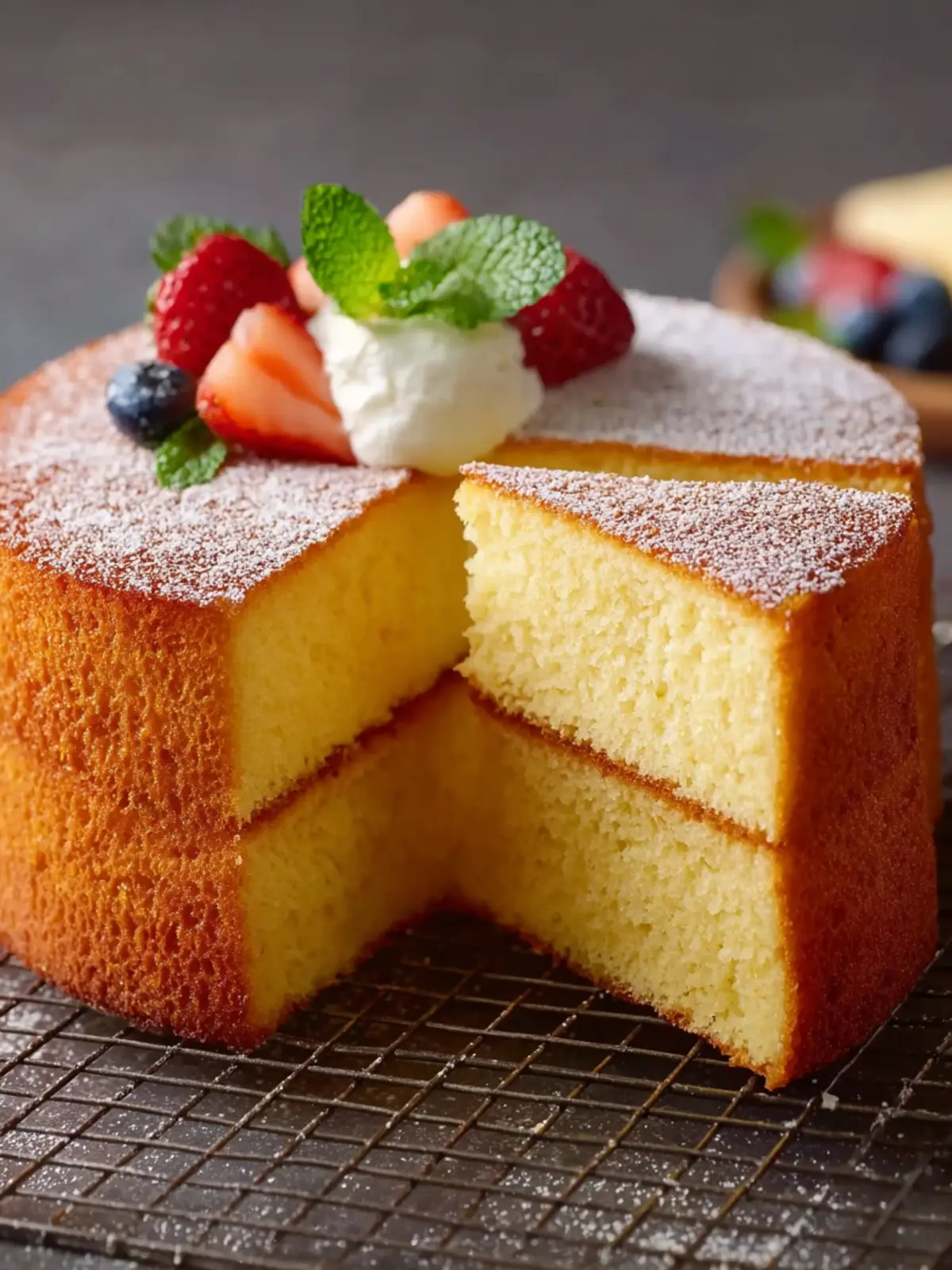
Cooking Tips for Genoise Sponge Cake
Creating a flawless Genoise Sponge Cake can feel like an art form, especially when you aim for that perfect texture that’s light and airy. Here are some handy tips to ensure your sponge cake turns out beautifully every time.
Master the Egg Whipping Technique
Genoise Sponge Cake relies heavily on the aeration of eggs. When whipping your egg yolks with sugar, aim for a mixture that triples in volume and turns pale. This process incorporates air, which gives the cake its lift. For the egg whites, whip them until they form soft peaks and then gently fold into the batter. Remember, overmixing can deflate those precious air bubbles!
Use the Right Flour
Choosing the appropriate flour is crucial for your Genoise Sponge Cake. Cake flour works best due to its lower protein content, ensuring a tender texture. If cake flour is not available, all-purpose flour can be a substitute, but reduce the gluten by sifting it with cornstarch.
Proper Baking and Cooling
Make sure to preheat your oven adequately and bake your cake in a water bath for an even texture. Once baked, cool your cake upside down on a wire rack to prevent it from collapsing. This will help maintain that lovely airy quality you’re aiming for.
Experiment with Flavors
Don’t hesitate to play around with flavors that complement your Genoise Sponge Cake. Vanilla, citrus zest, or almond extract can enhance the cake beautifully. Just a teaspoon can make a world of difference!
With these tips, you’re well on your way to impressing friends and family with your Genoise Sponge Cake skills!
Serving Suggestions for Genoise Sponge Cake
A perfectly baked Genoise sponge cake can transform any gathering into a celebration. Whether you’re hosting a casual brunch or a lavish dinner party, it’s an ideal base for a variety of delicious accompaniments. Here are some inspiring serving suggestions to elevate your cake experience:
Classic Whipped Cream and Berries
A dollop of whipped cream paired with fresh berries can bring out the lightness of the Genoise sponge. Strawberries, raspberries, or blueberries add a burst of color and flavor that complements this airy cake beautifully.
Luxurious Chocolate Ganache
Drizzle a rich chocolate ganache over your sliced Genoise for an indulgent twist. Simply melt some dark chocolate with cream, and let it cool slightly before pouring it over the cake. The combination of textures will leave your guests craving more.
Fruit Compote Delight
Consider serving your Genoise with a homemade fruit compote. Simmer your favorite fruits—like peaches or cherries—until tender, and serve warm over the cake. This adds a comforting, fruity layer that enhances the sponge’s subtle sweetness.
Layered with Cream
For a more elaborate presentation, create a layered cake by stacking slices of Genoise with custard or cream filling between them. Top with fresh fruit or a dusting of powdered sugar for a show-stopping dessert that’s as visually pleasing as it is delicious.
These simple yet thoughtful serving suggestions will ensure your Genoise sponge cake takes center stage at your next event.

Time Breakdown for Genoise Sponge Cake
Creating the perfect Genoise sponge cake requires a little patience, but the results are immensely rewarding. Here’s a breakdown of the time you’ll need to dedicate to each step of the process.
Preparation Time
Getting ready for your Genoise sponge cake takes about 20 minutes. This includes measuring your ingredients and preheating your oven. It’s that initial excitement of mixing the eggs and sugar that sets the foundation for your delicious cake.
Baking Time
Once your batter is ready, it’ll need 25-30 minutes in the oven. The aroma that fills your kitchen during this time will be the sweetest reminder of the deliciousness to come!
Cooling Time
After baking, let your cake cool in the pan for about 10 minutes before transferring it to a wire rack. Ideally, you should wait an additional 30 minutes for it to cool completely. This step ensures a perfectly moist and airy texture, essential for a classic Genoise sponge cake.
With this time breakdown in hand, you’re all set to create a delightful cake that’s perfect for any occasion!
Nutritional Facts for Genoise Sponge Cake
When you dive into the world of Genoise sponge cake, you’re not just indulging in a light and airy dessert; you’re also curious about what you’re enjoying. This cake, renowned for its beautiful texture and versatility, offers nutritional value that can be quite satisfying.
Calories
A single slice of Genoise sponge cake typically contains around 150 calories. This makes it a great option for those looking to enjoy a sweet treat without going overboard on calories.
Protein
In terms of protein, you can expect about 3 grams per slice. While not incredibly high, it contributes to your daily intake in a delightful way, especially when paired with fruit or whipped cream.
Carbohydrates
The cake contains approximately 24 grams of carbohydrates per slice. This is primarily from the sugar and flour, which provide that comforting sweetness and structure characteristic of this beloved dessert.
So, whether you savor it plain or with your favorite toppings, Genoise sponge cake remains a delicious treat that people will love!
FAQs about Genoise Sponge Cake
Genoise sponge cake epitomizes elegance with its light and airy texture, making it a favorite for many bakers around the globe. However, like any beloved recipe, questions may arise while mastering this classic. Let’s dive into some common inquiries to help you on your Genoise sponge cake journey.
What’s the best way to store Genoise sponge?
After baking your Genoise sponge cake, proper storage is essential to maintain its delicate texture. The best way to store it is to let the cake cool completely, then wrap it tightly in plastic wrap. This prevents it from drying out. You can also place it in an airtight container, ideally at room temperature. If you need to store it for a longer time, consider freezing the sponge. Just ensure it’s wrapped well to avoid freezer burn!
How can I prevent the Genoise from deflating?
To keep your Genoise sponge cake light and fluffy, the key is in the mixing technique. When folding in the flour, do so gently to avoid deflating the air bubbles you’ve worked hard to create. Additionally, make sure your eggs are at room temperature, as this helps them incorporate better with the sugar, enhancing the cake’s rise. Lastly, don’t rush the baking time; undercooking can lead to collapse.
Can I customize the flavors?
Absolutely! The beautiful thing about Genoise sponge cake is its versatility. You can infuse flavors by adding citrus zest, vanilla, or almond extract to the batter. For a fruitier twist, consider incorporating pureed fruits or flavored syrups into your layers. The options are limitless, allowing your creativity to shine through in every slice!
Conclusion on Genoise Sponge Cake
The charm of a Genoise Sponge Cake lies in its elegant simplicity. This classic Italian dessert invites you to experiment with flavors, fillings, and toppings, making it incredibly adaptable for any occasion. Whether layered with fresh berries and cream or dressed with a rich chocolate ganache, each slice tells a delicious story that can elevate even the simplest of gatherings. Don’t be afraid to make it your own—add zests or extracts that speak to your culinary preferences. With a few practice runs, you’ll master the art of creating a light, airy sponge cake that deserves a spot at every celebration.
Print
Genoise Cake
- Total Time: 50 minutes
- Yield: 8 servings 1x
- Diet: Vegetarian
Description
A classic Italian sponge cake that’s light and airy, perfect for stacking with fresh fruits and whipped cream.
Ingredients
- 4 large eggs, room temperature
- 120g (½ cup + 1 tbsp) granulated sugar
- 120g (1 cup) cake flour, sifted
- 30g (2 tbsp) unsalted butter, melted and cooled
- 1 tsp vanilla extract (optional)
Instructions
- Prepare your tools and ingredients: Start by preheating your oven to 350°F (175°C). Grease and line an 8-inch round cake pan with parchment paper. This ensures easy release and even baking. Use eggs that are truly at room temperature—this helps them whip to maximum volume. I like to place them in warm water for 10 minutes if I forget to set them out.
- Whip the eggs and sugar: In a large mixing bowl, combine the eggs and sugar. Using a hand or stand mixer, beat the mixture on high speed for 8 to 10 minutes, or until it triples in volume and becomes pale and thick. You’ll know it’s ready when the batter falls in thick ribbons and slowly dissolves on the surface. This stage is crucial—this is where you’re building the structure and height of your Genoise sponge.
- Fold in the flour: Sift the cake flour over the egg mixture in two additions. Gently fold with a spatula after each addition, taking care not to deflate the air you worked so hard to create. Use a lifting-and-turning motion rather than stirring.
- Add melted butter and vanilla: Take a small amount of the batter and mix it with the cooled melted butter. Then gently fold this back into the main batter, along with the vanilla extract if using. This step helps incorporate the butter evenly without deflating the batter.
- Bake the cake: Pour the batter into your prepared pan and smooth the top with a spatula. Tap the pan gently on the counter to remove large air bubbles. Bake for 25–30 minutes or until the top is golden and the center springs back lightly when touched. A toothpick inserted into the center should come out clean.
- Cool and release: Let the cake cool in the pan for 5–10 minutes before turning it out onto a wire rack. Peel off the parchment and allow it to cool completely before slicing or decorating.
Notes
- Make sure to use eggs at room temperature for better volume.
- If you want to add flavors, consider incorporating citrus zest or almond extract.
- Prep Time: 20 minutes
- Cook Time: 30 minutes
- Category: Dessert
- Method: Baking
- Cuisine: Italian
Nutrition
- Serving Size: 1 slice
- Calories: 150
- Sugar: 10 g
- Sodium: 50 mg
- Fat: 7 g
- Saturated Fat: 4 g
- Unsaturated Fat: 2 g
- Trans Fat: 0 g
- Carbohydrates: 20 g
- Fiber: 0 g
- Protein: 4 g
- Cholesterol: 100 mg