
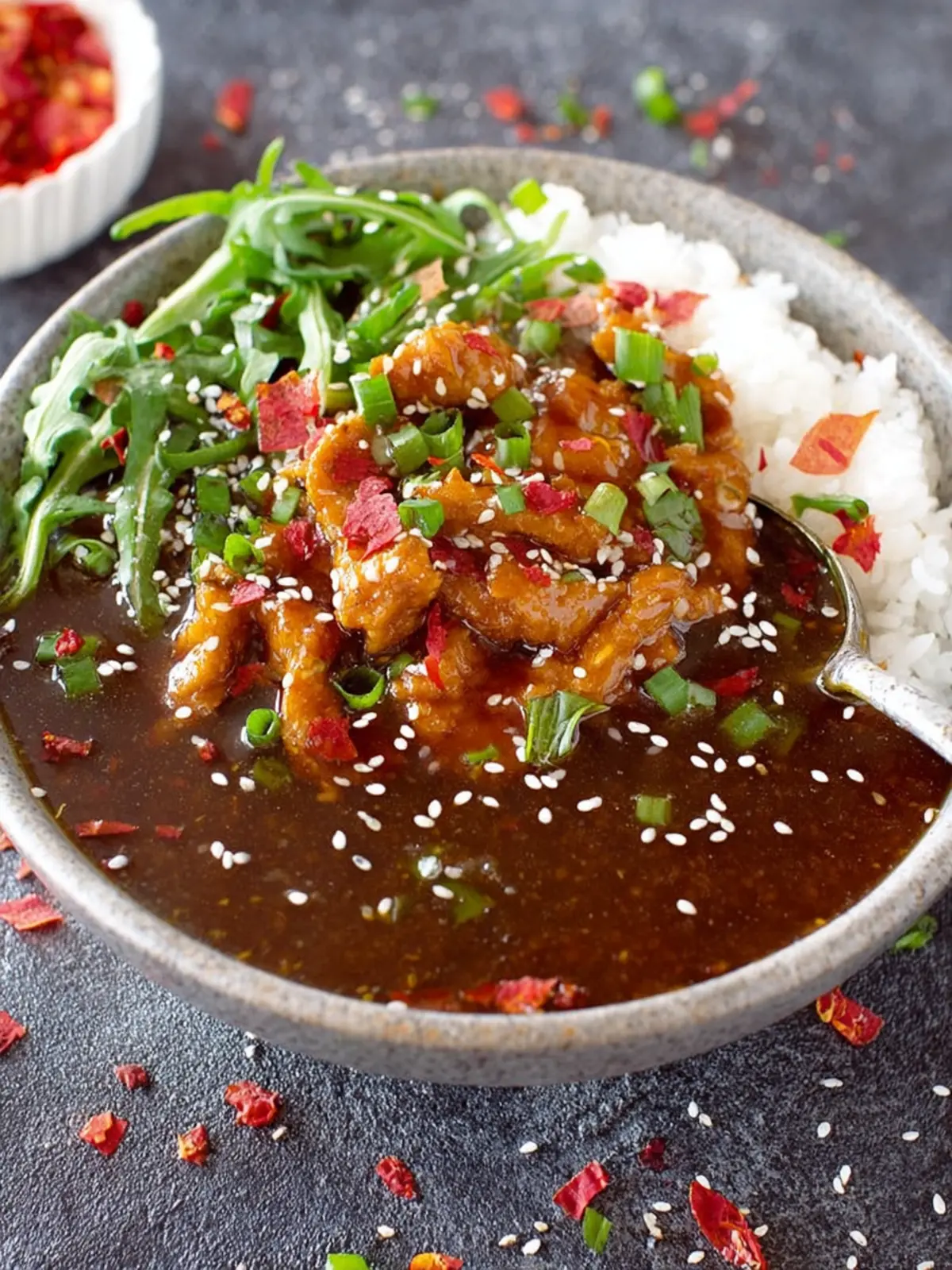
Introduction to Homemade Teriyaki Sauce
Homemade teriyaki sauce is not just a condiment; it’s an experience that brings the vibrant flavors of Japanese cuisine to your kitchen. Imagine the sweet, savory aroma wafting through your home as you simmer a pot of this delightful sauce. Whether you’re drizzling it over grilled chicken, sautéing vegetables, or marinating tofu, having a jar of homemade teriyaki sauce on hand elevates your cooking to a whole new level.
Why homemade is better: A personal take
When I first ventured into making my own homemade teriyaki sauce, the difference was astounding. Store-bought options often contain preservatives and artificial flavors, but crafting it at home allows you to control every ingredient. This means you can adjust the sweetness, saltiness, and even the thickness to suit your taste preferences. Plus, there’s something incredibly satisfying about creating your own sauces from scratch!
Using high-quality ingredients is key to achieving that authentic flavor. For instance, opting for fresh ginger and garlic brings a brightness that store-bought sauces often lack. You also get to experiment with the ratios—want it sweeter? Add more sugar or honey. Prefer it savory? A splash of soy sauce does wonders. The best part? You can tailor it to your dietary needs and none of the guesswork associated with pre-packaged alternatives.
Picture this: a weekend gathering with friends, and you’re whipping up bowls of stir-fried vegetables and grilled meats, all glazed with your homemade teriyaki sauce. Your guests will be none the wiser as they savor the exquisite blend of flavors, while you bask in the satisfaction that you crafted everything from scratch.
Let’s dive into the ingredients you’ll need and how easy it is to make your very own homemade teriyaki sauce. Once you’ve tried it yourself, you’ll likely never reach for that plastic bottle again!
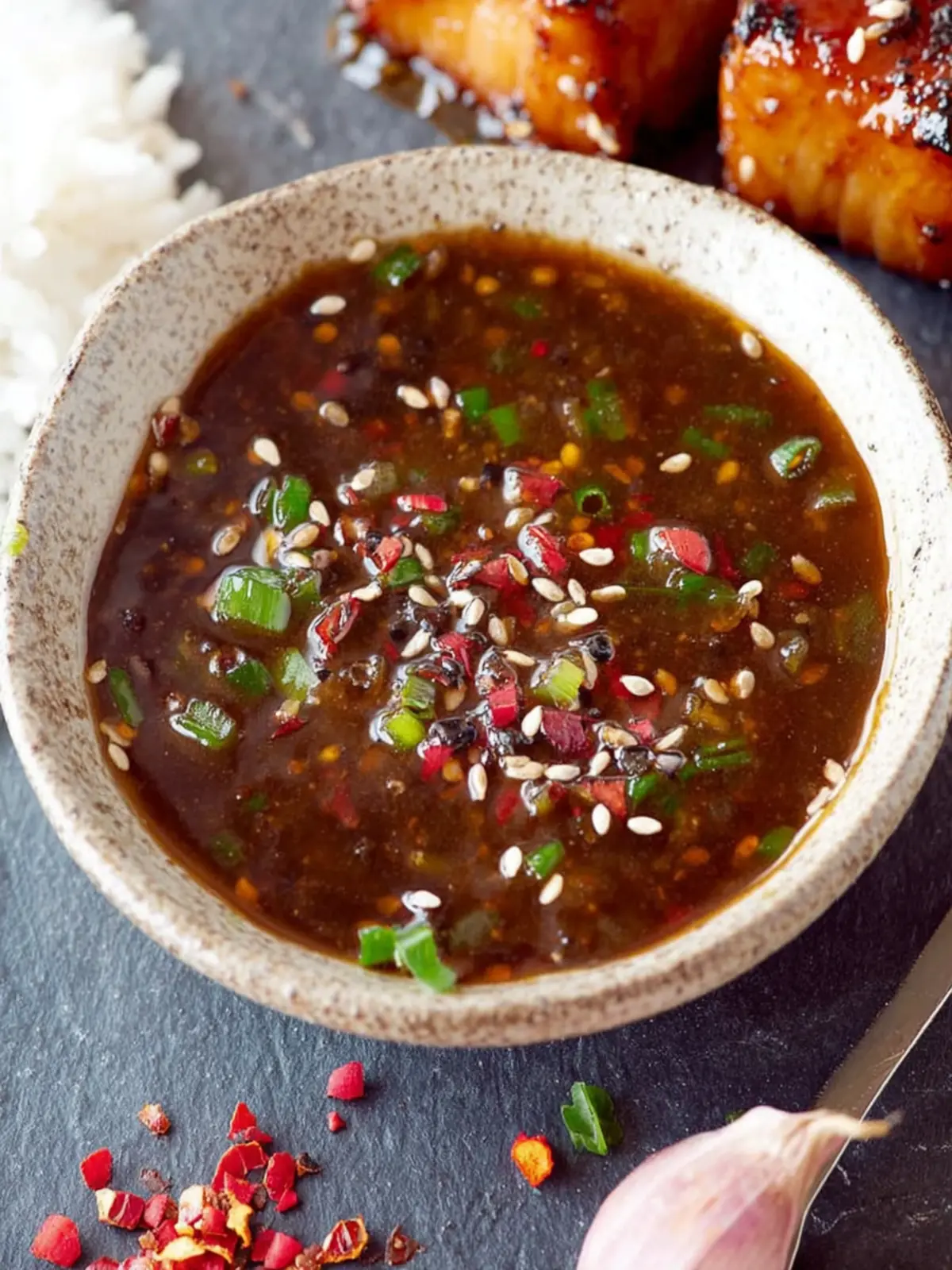
Key Ingredients for Homemade Teriyaki Sauce
Creating your own homemade teriyaki sauce is a delightful journey that infuses your dishes with rich flavors. The key ingredients come together to create that perfect balance of sweet, salty, and umami notes that makes this sauce a staple in many kitchens.
Soy Sauce: The backbone of your teriyaki sauce! I prefer using low-sodium soy sauce to control the saltiness while maintaining that essential savory flavor. You can also experiment with tamari for a gluten-free version.
Mirin: This sweet rice wine adds depth and a unique sweetness to the sauce. Mirin balances the saltiness of the soy sauce beautifully. If you can’t find it, a mix of sake and sugar can be a good substitute.
Honey or Brown Sugar: For that extra layer of sweetness, honey or brown sugar works wonders. I find that honey gives a lovely floral note, while brown sugar adds a richer, molasses-like depth.
Garlic and Ginger: Freshly minced garlic and ginger are essential for a vibrant and aromatic sauce. They bring warmth and complexity, elevating the overall flavor.
Sesame Oil: Just a splash of sesame oil at the end of the cooking process adds a nutty richness that rounds out the sauce perfectly.
Why You’ll Love This Homemade Teriyaki Sauce
Homemade teriyaki sauce is like a culinary hug; it brings warmth and comfort to your favorite dishes! Imagine drizzling this glossy, sweet-savory delight over grilled chicken, roasted veggies, or even tofu—and feeling the world melt away with every bite. The charm of making your own teriyaki sauce lies in the freedom to customize the flavors just for you.
Fresh Ingredients for Bold Flavor
- Soy Sauce: The backbone of your teriyaki sauce, soy sauce provides that umami flavor that everyone craves. Opt for low-sodium soy sauce if you want to control the saltiness.
- Honey or Brown Sugar: This is where the magic happens. Using honey gives a floral sweetness, while brown sugar adds a rich, caramel-like depth. Choose based on your mood!
- Rice Vinegar: A splash of rice vinegar brightens the sauce and balances the sweetness. It’s a must for achieving that authentic teriyaki taste.
- Garlic and Ginger: Fresh minced garlic and ginger offer a punch of flavor that elevates your sauce from ordinary to extraordinary. Don’t skip these!
- Sesame Oil: A drizzle of toasted sesame oil at the end will add that fantastic, nutty finish, making your homemade teriyaki sauce irresistibly fragrant.
Creating your own teriyaki sauce not only spices up your meals but ensures you know exactly what goes into it. So, roll up your sleeves and give it a try; you might just find that it’s a staple in your kitchen for years to come!
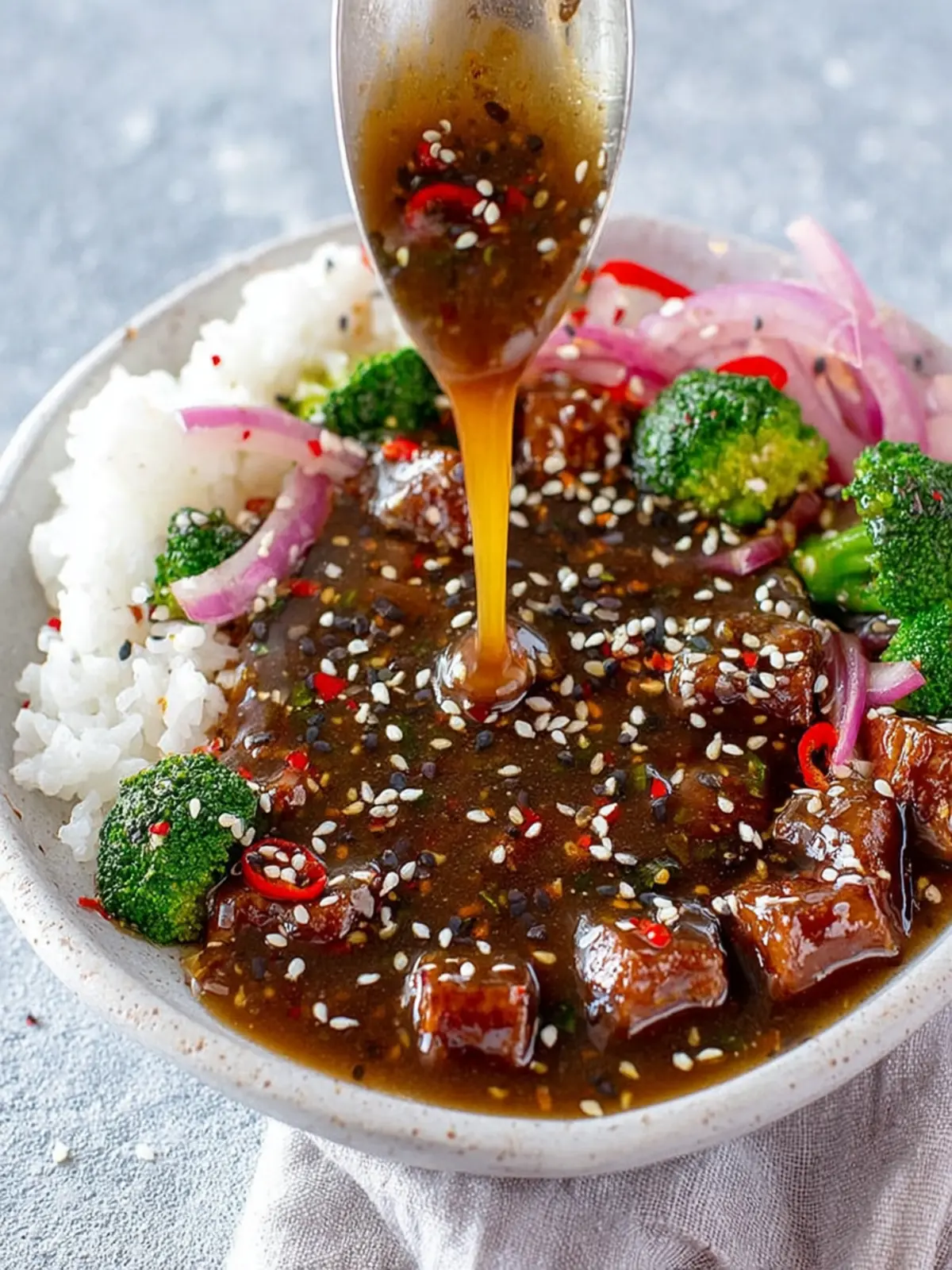
Variations on the Classic Recipe
Homemade teriyaki sauce is incredibly versatile, allowing you to tailor it to your taste buds. Here are some delightful variations to consider for your next culinary adventure:
Tangy Pineapple Teriyaki
For a sweet twist, try adding crushed pineapple to your homemade teriyaki sauce. Just a small can will do. The fruity notes will elevate your dish, giving it a tropical flair. Use it as a marinade for chicken or salmon, and the results will surprise you.
Spicy Sriracha Infusion
Feeling bold? A tablespoon of Sriracha can add a delightful kick to your teriyaki sauce. This infusion is perfect if you love a balance of heat and sweetness. Just keep taste-testing as you add in the Sriracha to ensure the spice doesn’t overpower the other flavors.
Sesame-Infused Goodness
Add a tablespoon of toasted sesame oil to the sauce for a rich, nutty flavor. It pairs beautifully with the existing ingredients and enhances the savory profile of your homemade teriyaki sauce. Drizzle some toasted sesame seeds on top for an appealing crunch.
Miso Madness
For an umami punch, mix in a spoonful of white miso paste. This ingredient elevates the depth of flavor in the sauce and provides a creamier texture, creating a delightful contrast with your favorite proteins or veggies.
Embarking on one of these variations will surely usher in a new level of enjoyment to your homemade teriyaki sauce, making every meal memorable!
Cooking Tips and Notes for Success
Making homemade teriyaki sauce is not just about combining ingredients; it’s about crafting a balance of flavors that can elevate any dish. To help you succeed in this delicious endeavor, here are some tips that will make your cooking experience seamless and enjoyable.
-
Choose Quality Soy Sauce: The backbone of your sauce is soy sauce, so opt for a high-quality brand. The richer the soy sauce, the deeper the flavor profile of your teriyaki.
-
Sweetness Balance: Adjust the sweetness to your taste preference. If you like it sweeter, consider adding a bit more brown sugar or honey, but be cautious to maintain the sauce’s thickness.
-
Simmering Time: Don’t rush the simmering process. Allowing your sauce to simmer gently helps to meld the flavors together beautifully, creating a harmonious blend that’ll make your taste buds dance.
-
Thickening Techniques: If you prefer a thicker consistency, mix a bit of cornstarch with cold water to create a slurry and add it to your sauce while it’s simmering. This will give it that glossy finish typical of authentic teriyaki sauces.
-
Storage Tips: Store your homemade teriyaki sauce in a glass container in the fridge. It can last up to two weeks, making it perfect for meal prep or spontaneous stir-fries.
With these tips, you’re well on your way to mastering the art of homemade teriyaki sauce and impressing your friends and family!
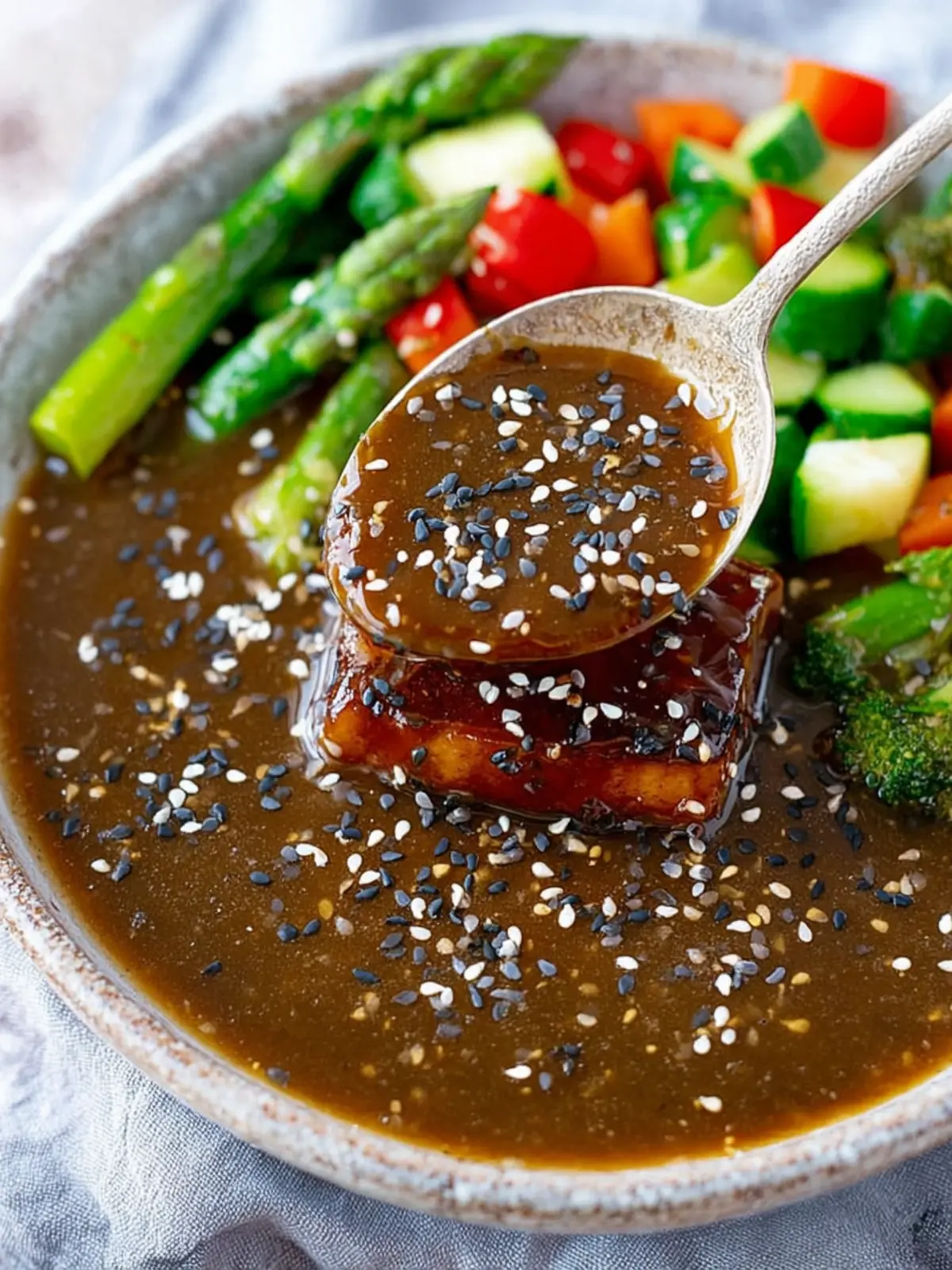
Serving Suggestions: What Pairs Well?
Creating homemade teriyaki sauce is just the beginning of delivering a delicious meal. This versatile sauce can elevate a variety of dishes, making it a go-to in any kitchen. Here are some serving suggestions to truly make the most of your delicious creation.
Perfect Protein Pairings
- Chicken: Marinate chicken breasts or thighs in your teriyaki sauce before grilling or baking. The marinade infuses the meat with flavor and keeps it moist.
- Salmon: Brush the sauce over salmon fillets before baking or grilling for a sweet and savory glaze that complements the richness of the fish.
- Tofu: For a plant-based option, toss cubes of firm tofu in teriyaki sauce and stir-fry until crispy. This adds a delightful umami flavor to your dish.
Vegetable Companions
- Stir-Fried Vegetables: Sauté a medley of bell peppers, broccoli, and snap peas with a splash of teriyaki sauce for a colorful and tasty side dish.
- Roasted Brussels Sprouts: Toss Brussels sprouts with the sauce before roasting for a caramelized finish.
Serve with Starch
- Rice or Quinoa: Serve your teriyaki-glazed proteins over a bed of fluffy jasmine rice or nutty quinoa. The grains soak up the sauce beautifully.
- Noodles: For a cozy meal, mix your homemade teriyaki sauce with soba or udon noodles and add in your favorite veggies for a complete dish.
Embracing these pairing ideas will guarantee you enjoy the full potential of your homemade teriyaki sauce, turning ordinary meals into unforgettable culinary experiences.
Time Breakdown for Making Teriyaki Sauce
Creating your own homemade teriyaki sauce can be a fun and rewarding experience. The time invested in crafting this flavorful sauce is minimal compared to the burst of taste it brings to your dishes. Here’s a simple breakdown of the time needed to whip up this delightful sauce.
Preparation time
Getting ready to make your homemade teriyaki sauce is quick! Gather your ingredients and measure them out—it usually takes about 5 minutes.
Cooking time
Once your ingredients are prepped, it’s all about simmering them together. This step typically takes around 10 minutes, allowing the flavors to meld beautifully.
Total time
In total, you’re looking at approximately 15 minutes from start to finish. It’s a small investment for a sauce that elevates any meal to a new level of deliciousness!
Nutritional Facts of Homemade Teriyaki Sauce
When you whip up a batch of homemade teriyaki sauce, it’s not just about flavor; understanding its nutritional profile can help you savor each bite a little more. Here’s a closer look at what’s in your savory creation.
Calories
A standard serving of homemade teriyaki sauce contains approximately 60 calories. This is a reasonable amount, especially considering how a little can go a long way in adding flavor to your dishes.
Sodium
One of the standout features of this sauce is its sodium content, which typically ranges around 600 mg per serving. While this might sound high, remember that using less sauce or pairing it with fresh ingredients can help balance your meal.
Sugar
The sweetness of homemade teriyaki sauce often comes from ingredients like honey or brown sugar, contributing about 9 grams per serving. This natural sweetness enhances your dish without being overpoweringly sugary, making it a delightful addition to any meal.
Understanding these nutritional facts helps you enjoy your homemade teriyaki sauce while maintaining a balanced diet. So, don’t hesitate to incorporate this delicious condiment into your meals!
FAQs about Homemade Teriyaki Sauce
Creating homemade teriyaki sauce can be a delightful journey in the kitchen, but you might have a few questions along the way. Let’s address some common inquiries to ensure your sauce turns out just right!
Can I adjust the sweetness of the sauce?
Absolutely! One of the wonderful things about making homemade teriyaki sauce is that you can tailor the sweetness to your personal taste. If you prefer a sweeter sauce, simply add more brown sugar or honey during the cooking process. Conversely, if you want it less sweet, start with a smaller amount and adjust to your liking. Just remember to taste as you go!
What can I use instead of soy sauce?
If you need a soy sauce alternative for your homemade teriyaki sauce, there are a few options. Tamari is a great gluten-free choice with a similar flavor profile. Coconut aminos provides a slightly sweeter, less salty taste and is another excellent alternative. If you’re looking to avoid soy completely, you could even experiment with a blend of broth and spices, but keep in mind this may alter the original flavor.
How long does homemade teriyaki sauce last?
Homemade teriyaki sauce can be stored in an airtight container in the refrigerator for about one to two weeks. For longer storage, consider freezing it in small portions. Just thaw it in the fridge overnight when you’re ready to use it, and you’re all set! Enjoy experimenting with your delicious creations!
Conclusion on Homemade Teriyaki Sauce
Crafting your own homemade teriyaki sauce opens up a world of flavor that store-bought options just can’t match. The rich blend of soy sauce, ginger, and sugar not only elevates your favorite dishes but also lets you control the sweetness and saltiness to your preference. With just a few simple ingredients and some easy steps, you can create a sauce that adds a delicious twist to everything from grilled chicken to stir-fried vegetables. So next time you’re in the kitchen, consider whipping up this quick and satisfying sauce for a taste of Japan right at home!
Print
Soy Sauce Stir Fry Sauce
- Total Time: 15 minutes
- Yield: Serves 4
- Diet: Gluten-Free
Description
A savory and versatile stir fry sauce made with soy sauce, vinegar, honey, and spices.
Ingredients
- ½ cup low sodium soy sauce or GF Braggs Liquid Aminos
- ¼ cup rice vinegar
- ¼ cup honey or maple syrup
- 1–2 tablespoons toasted sesame oil
- 2 cloves garlic, minced
- 1 tablespoon ginger, minced
- 1 teaspoon red pepper flakes, more or less to taste
- ¼ cup cold water
- 1 tablespoon cornstarch or arrowroot
Instructions
- In a sauce pan whisk together soy sauce, rice vinegar, honey, sesame oil, garlic, ginger, and red pepper flakes. Heat on medium low until it slowly simmers.
- Whisk water and cornstarch together in a small bowl and whisk into simmering sauce mixture.
- Allow to just boil and remove from heat.
Notes
- For gluten-free, use Braggs Liquid Aminos.
- Adjust the amount of red pepper flakes to taste.
- Prep Time: 10 minutes
- Cook Time: 5 minutes
- Category: Sauces
- Method: Stovetop
- Cuisine: Asian
Nutrition
- Serving Size: ¼ cup
- Calories: 50
- Sugar: 9g
- Sodium: 600mg
- Fat: 3g
- Saturated Fat: 0g
- Unsaturated Fat: 2g
- Trans Fat: 0g
- Carbohydrates: 11g
- Fiber: 0g
- Protein: 1g
- Cholesterol: 0mg