
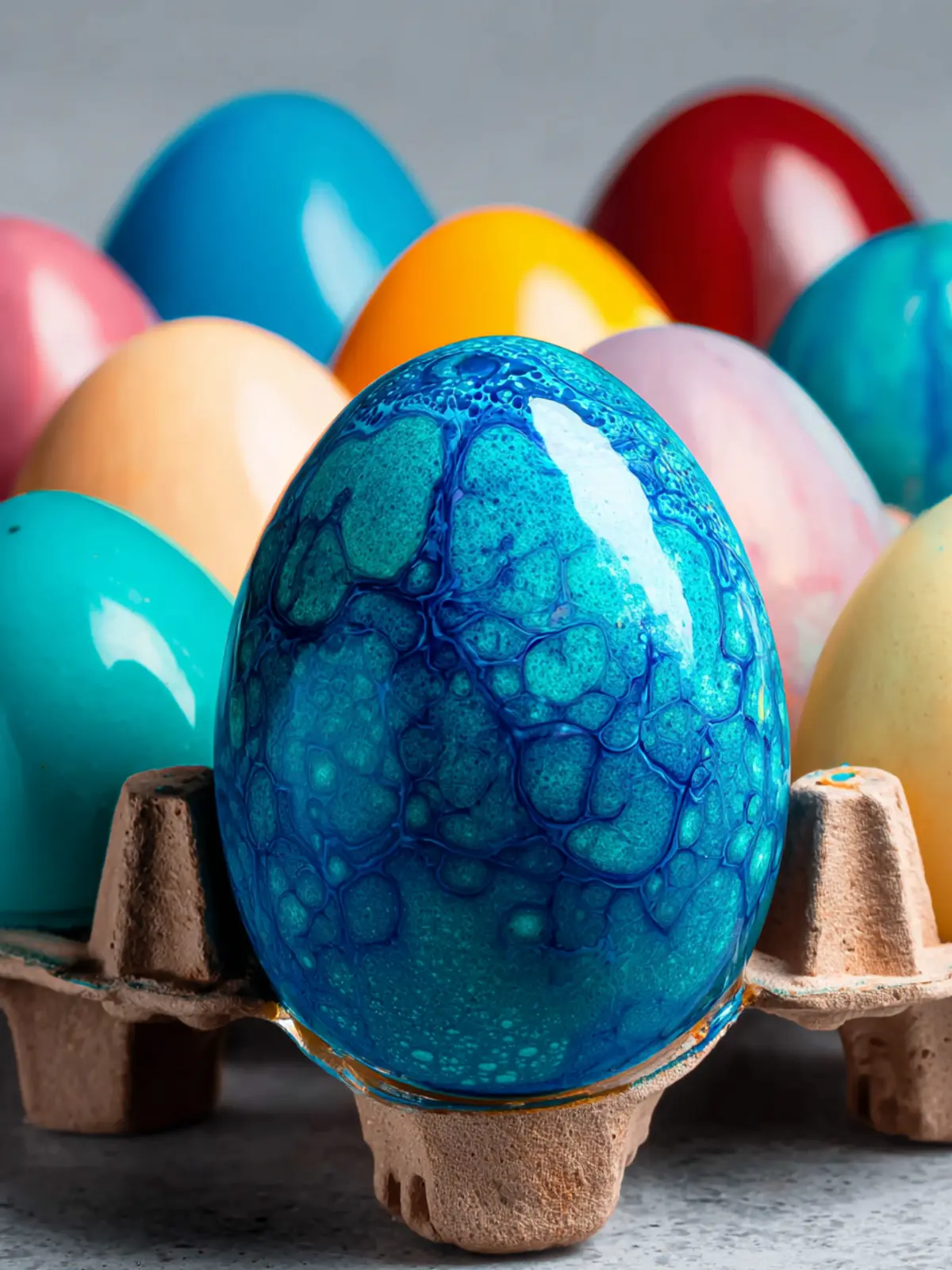
Introduction to Dyeing Easter Eggs
Dyeing Easter eggs is one of those joyful traditions that brings people of all ages together, igniting imaginations and inspiring creativity. It’s fascinating how an activity that begins each spring can create lasting memories and connections among family and friends. As you gather supplies and get ready to explore how to dye Easter eggs, you might find yourself reflecting on the laughter, surprises, and vibrant colors that have made this ritual so beloved over the years.
What makes dyeing Easter eggs a cherished tradition?
The tradition of dyeing Easter eggs has deep historical roots, symbolizing new beginnings and rebirth during the spring season. For many, this practice is steeped in personal stories—like the time your grandmother taught you the secret to achieving the perfect dye batch or when you helped your little cousin make his first masterpiece. These moments are more than just artistic expressions; they’re about bonding and sharing joy.
Here are a few reasons why this activity holds such a special place in our hearts:
-
Family Togetherness: Gathering around the table to dye eggs fosters connection. Parents, children, and even grandparents can participate, creating a wonderful opportunity for storytelling and laughter.
-
Creative Freedom: Each egg is a blank canvas. Whether you prefer classic designs or something more abstract, the only limit is your imagination. Experimenting with colors and patterns allows everyone to express their artistic side.
-
Cultural Connections: Many cultures around the world celebrate Easter—or similar holidays—through egg dyeing. This shared experience can deepen your appreciation for diverse traditions.
-
A Sense of Achievement: There’s a simple joy in unveiling your finished eggs. Watching those vibrant colors transform plain eggs into beautiful works of art is genuinely satisfying. Plus, displaying your creations can add a festive touch to your home.
So, as you embark on your journey learning how to dye Easter eggs, remember that it’s not just about the end result; it’s about the experiences, relationships, and creativity that fill your Easter season with warmth and cheer.
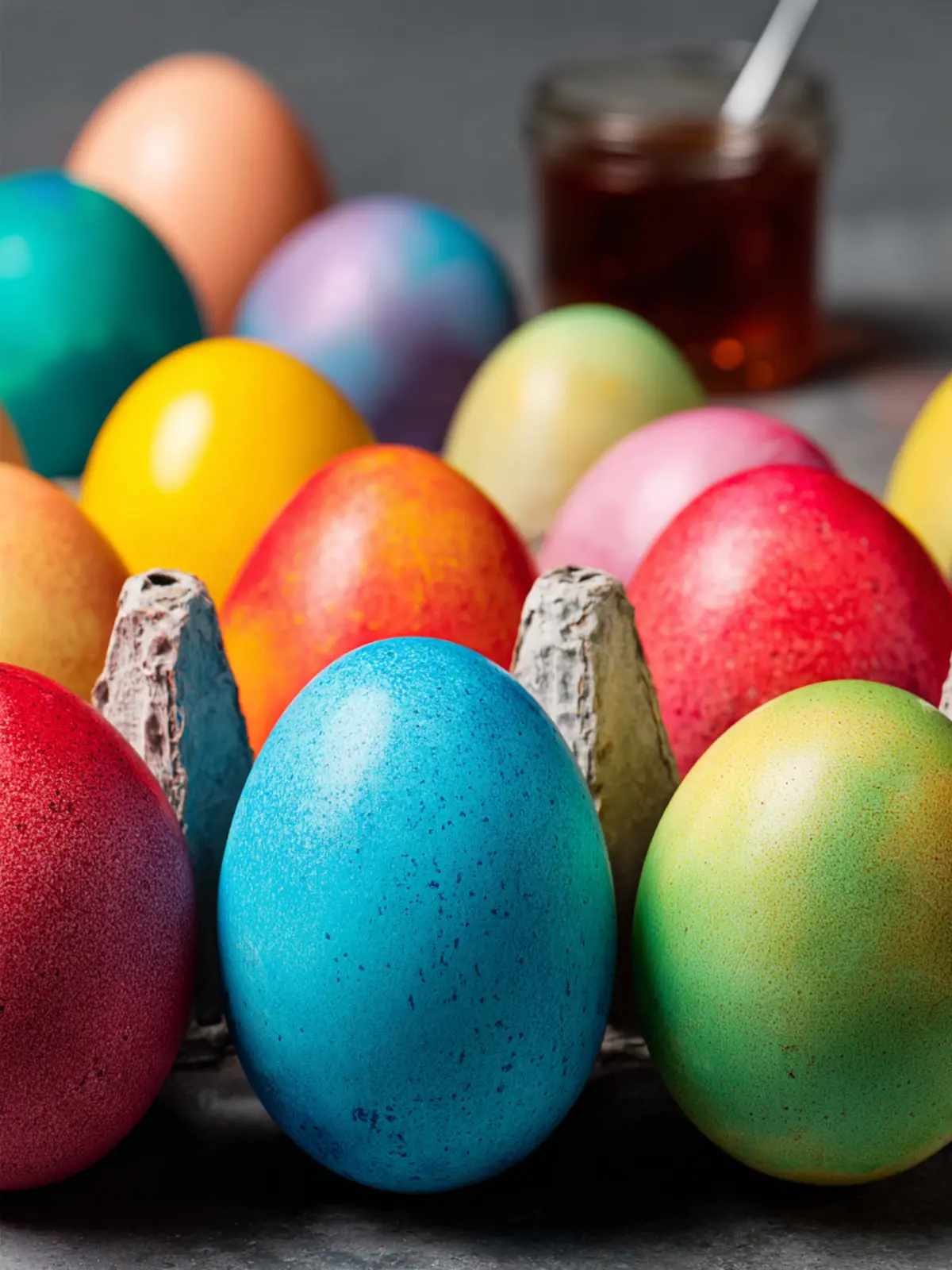
Key Ingredients for Dyeing Easter Eggs
Dyeing Easter eggs is a joyous tradition, filled with creativity and color! The right ingredients make all the difference in achieving vibrant, beautiful eggs that can be cherished throughout the holiday. Here’s a breakdown of the essential elements you’ll need to kickstart your egg-dyeing adventure.
Egg Selection
Choose white eggs for the best results. Their smooth, light surface provides a perfect canvas for bright colors. Brown eggs can be used, but the hues may not appear as vibrant.
Food Coloring
Utilizing food coloring is a classic method. Whether you opt for store-bought kits or create your own with liquid dyes, the choices are plentiful. For a more natural approach, consider beet juice for red, turmeric for yellow, or purple cabbage for a lovely blue hue.
Vinegar
White vinegar plays a crucial role in enhancing the dye’s effectiveness. It helps the color bond to the eggshell, ensuring a longer-lasting result. Mixing vinegar with your dye solutions can significantly boost the brightness.
Water
Simple yet vital, water acts as a medium for your dye mixtures. Make sure to use warm water to help dissolve the colors better.
With these key ingredients in hand, you’re well on your way to creating stunning Easter eggs that showcase not just color but creativity as well!
Why You’ll Love Dyeing Easter Eggs
Dyeing Easter eggs is more than just a whimsical craft—it’s a cherished tradition that brings family and friends together. Imagine a sunny afternoon, laughter filling the air as you gather around the table, armed with vibrant colors and countless creative ideas. The process of dyeing Easter eggs is not only fun, but it also allows each person to express their unique flair, turning humble eggs into personal masterpieces.
A Creative Outlet
The beauty of dyeing Easter eggs lies in its boundless creativity. With simple ingredients like food coloring and vinegar, you can experiment with various hues, techniques, and designs. You might even discover your hidden artistic talent! Whether you prefer intricate patterns or a more abstract approach, the possibilities are truly endless.
Family Bonding Time
This activity serves as a fantastic opportunity for families to bond. Kids and adults alike can participate, making it suitable for all ages. From laughing at each other’s mishaps to sharing tips on how to create the perfect pastel shade, these moments can become lasting memories.
A Sweet Treat
Let’s not forget that once the eggs are dyed, they can also be transformed into delicious treats! After the festivities, enjoy a* classic deviled egg recipe* or add them to salads.
Embarking on this colorful adventure will not only brighten your Easter festivities but also leave you with beautiful creations to cherish!
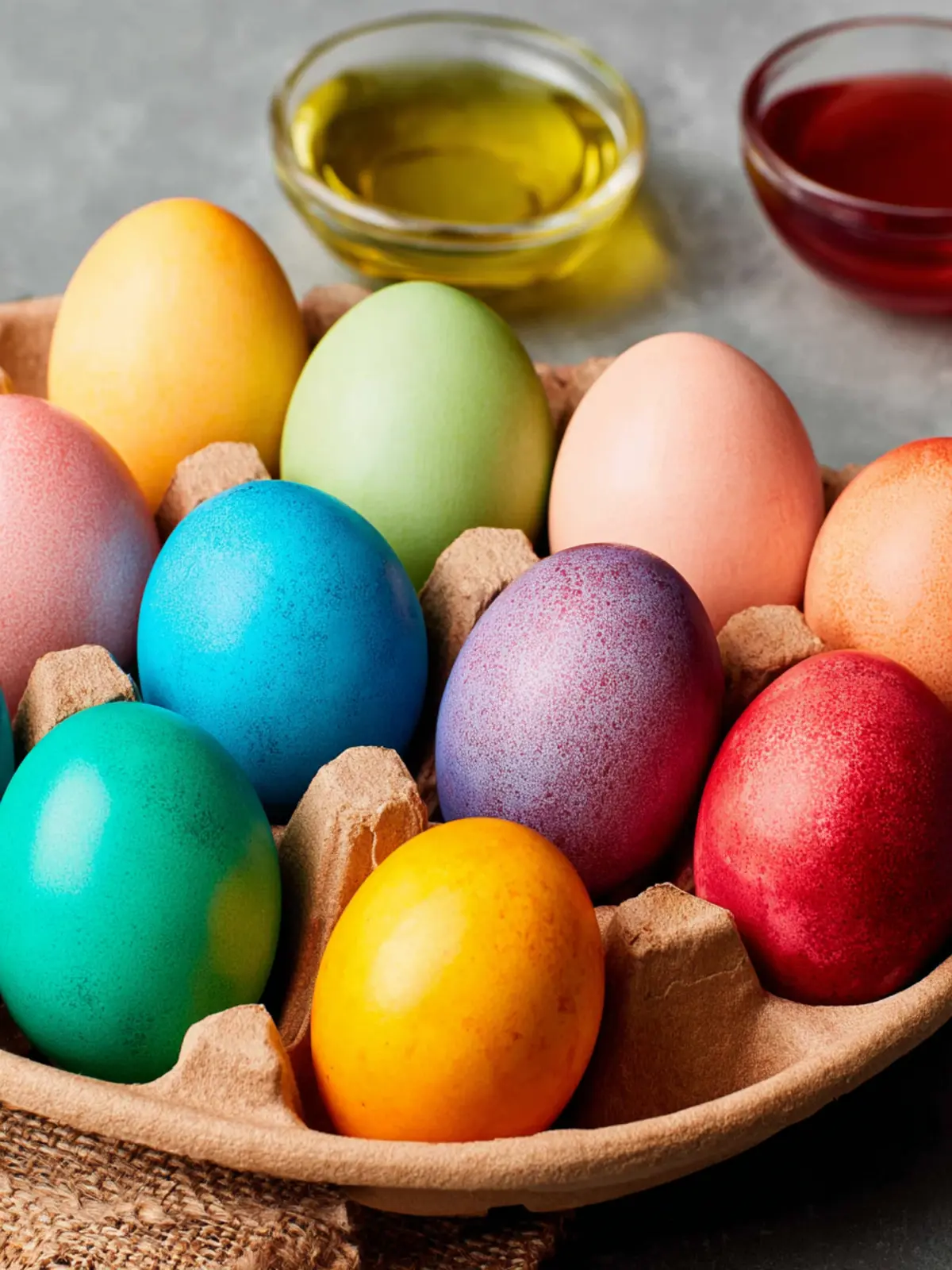
Tips for Successful Egg Dyeing
Dyeing Easter eggs can feel like a daunting task, but with the right tips, you can master how to dye Easter eggs in no time. Let me share some tricks that have worked wonders for me and my friends over the years.
Select the Right Eggs
Start with white eggs if possible. They take dye more vibrantly than brown eggs, which can result in a less colorful outcome. If you prefer to use brown eggs, don’t worry—some colors will still show beautifully!
Prepare Your Workspace
Creating a designated space for dyeing is essential. Lay down old newspaper or paper towels to catch any spills. Set up a small station with the dyes, cups, and tools you’ll need to make the process go smoothly.
Experiment with Natural Dyes
Want to get creative? Consider using natural dyes from foods. For example, red cabbage yields a lovely blue hue, while turmeric gives a vibrant yellow. Not only are they eco-friendly, but the results can be stunning!
Balance Dye Time
Give each egg time to soak in the dye—about five to 10 minutes usually does the trick. For deeper colors, let them sit even longer, just keep an eye on them.
Add Texture and Design
Use rubber bands, stickers, or even wax crayons before dyeing to create fun designs. They act as resist dyeing techniques and add a personal touch.
Embrace the mess and let your inner artist shine; there’s no wrong way to celebrate the joy of Easter with colorful eggs!
Time Details for Dyeing Easter Eggs
Dyeing Easter eggs is a delightful and creative tradition that brings joy to families each spring. In planning your egg-dyeing adventure, understanding the time requirements can help set expectations and ensure a smooth and enjoyable experience.
Preparation Time
Gathering supplies and preparing your dyes typically takes around 15–20 minutes. Don’t forget to set up a dedicated workspace – maybe even involve your friends or family!
Cooking Time
If you’re hard boiling your eggs, this can take about 10-12 minutes once the water reaches a rolling boil. After boiling, let the eggs cool completely before dyeing—this usually takes 20-30 minutes.
Total Time
Overall, you’re looking at approximately 45-60 minutes from start to finish if we include dyeing each egg, which can take a little time depending on how detailed your designs are. This means you’ll spend quality time creating beautiful eggs to display or share!
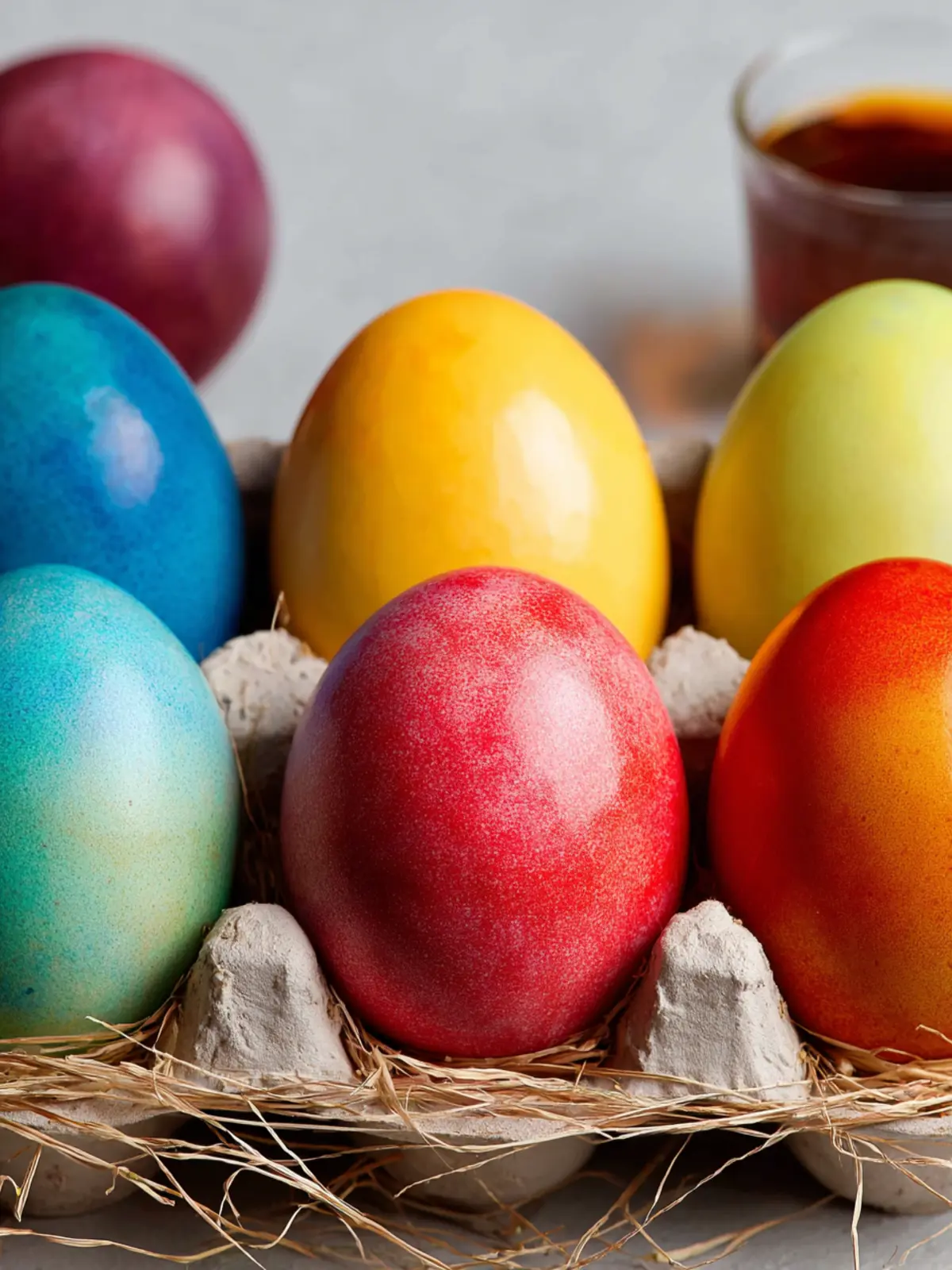
Nutritional Information for Dyeing Eggs
When considering how to dye Easter eggs, it’s essential to note that while the primary focus is on color and creativity, the nutritional profile of the eggs themselves also matters. Eggs are a versatile ingredient that plays a central role in many diets.
Calories
A typical hard-boiled egg contains approximately 68 calories. This makes eggs a low-calorie option for a protein-packed snack or addition to meals.
Protein
Each egg offers around 6 grams of high-quality protein, making them an excellent source of this essential nutrient needed for muscle repair and overall body function.
Sodium
A hard-boiled egg contains about 62 mg of sodium. It’s advisable to be mindful of this, especially if you’re watching your sodium intake.
In summary, how to dye Easter eggs can also be an opportunity to enjoy these nutritional benefits!
FAQs about Dyeing Easter Eggs
Dyeing Easter eggs is a cherished tradition that brings families together and sparks creativity. It can be a fun and fulfilling experience, but you may have questions as you prepare to add vibrant colors to your holiday decor. Here’s a friendly guide to help you navigate some common queries about how to dye Easter eggs.
What is the best way to store dyed eggs?
Once you’ve beautifully dyed your eggs, you’ll want to ensure they stay fresh and intact. Store your dyed eggs in a cool, dry place, ideally in the refrigerator, if you’re planning to eat them. Place them in a carton to avoid cracking and to keep them from rolling around. Remember, if you’ve used food coloring, it’s best to consume the eggs within a week for the best flavor and safety.
Can I use natural dyes instead of food coloring?
Absolutely! If you prefer a more earthy approach, using natural dyes can enhance your Easter egg dyeing experience. Common kitchen items, such as beet juice for pink, turmeric for yellow, or red cabbage for blue, can create stunning and unique shades. The process may take a bit longer, as natural dyes often require more soaking time, but the end result is definitely worth it.
What if the dye doesn’t come out as expected?
It’s not uncommon for egg-dyeing results to vary. If your colors aren’t as bright as you hoped, you can try soaking the eggs longer or applying a second coat of dye. If you’re feeling adventurous, mix different dyes to create custom shades. Remember, the most important part is to have fun with the process! If you end up with unexpected patterns, those can make for the most memorable eggs of all.
Happy dyeing, and enjoy the holiday!
Conclusion on Dyeing Easter Eggs
Dyeing Easter eggs can be a delightful project that not only adds color to your holiday decorations but also creates cherished memories. The vibrant hues you can achieve with different techniques turn a simple egg into a piece of art. Whether you opt for classic methods with commercial dyes or enjoy experimenting with natural ingredients, the beauty of this tradition lies in its flexibility and creativity. Don’t hesitate to invite friends or family to join in the fun—there’s something magical about sharing laughter and a bit of friendly competition to see who can create the most stunning designs. Happy crafting!
Print
Easter Egg Dyeing
- Total Time: 30 minutes
- Yield: 18 eggs 1x
- Diet: Vegetarian
Description
Learn how to dye Easter eggs with this fun and easy recipe!
Ingredients
- 18 large eggs
- 1/2 gallon water
- 1/2 teaspoon baking soda
- 8 cups ice
- 1 cup white vinegar
- various colors food coloring
Instructions
- Place raw eggs in a large Dutch oven or pot and cover them with water by about 1 inch. Add the baking soda, then bring the water to a low boil over medium high heat.
- Once the water has reached a rapid boil, remove the pot from the heat and cover with a lid. Let the eggs sit for 9-12 minutes, depending on how “done” you want your eggs.
- While the eggs cook, prepare a bowl of ice water. After the desired resting time, use a slotted spoon to remove the eggs from the hot water and place them in the ice water to stop the cooking and cool completely.
- Let the eggs sit in the ice water for about 5 minutes, then remove and place on a towel to dry.
- Prepare the dye: In a cup or bowl, mix 1/2 cup of hot water, 1 teaspoon of vinegar, and several drops of food color drops or liquid food coloring. Use a spoon or whisk to mix the ingredients until the color is evenly distributed. Repeat for as many colors as you want to use.
- Carefully place a hard-boiled egg into the cup or bowl with the dye. Use a spoon to submerge the egg fully in the dye. Leave the egg in the Easter egg dye for about 5 minutes, or until you achieve the desired color.
- Use a spoon to carefully remove the egg from the dye. Place the egg on a paper towel or egg carton to dry. Allow the egg to dry completely before handling it.
- If you want to create different colors or shades, repeat the process with new cups or bowls and different color combinations.
- Optional: You can use a paintbrush or q-tip to add designs or patterns to the dyed eggs using different colors of dye.
- Enjoy!
Notes
- Store dyed eggs in a cool place.
- Consider using natural dyes for a different approach.
- Enjoy this activity with family and friends!
- Prep Time: 15 minutes
- Cook Time: 12 minutes
- Category: Dessert
- Method: Boiling, Dyeing
- Cuisine: American
Nutrition
- Serving Size: 1 egg