
Introduction to Growing Microgreens
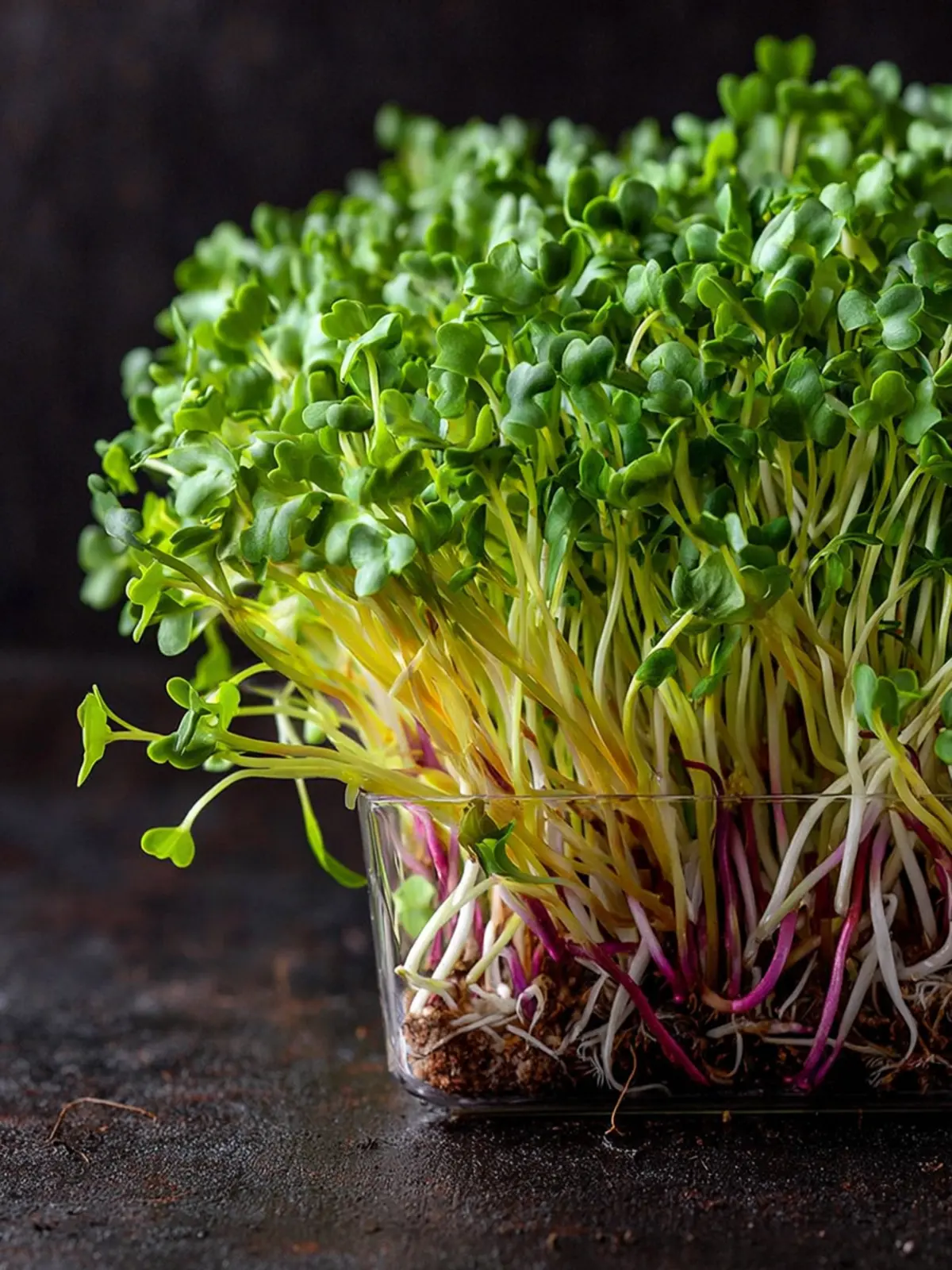
Imagine strolling into your kitchen and being greeted by the vibrant hues of microgreens, a culinary marvel that effortlessly transforms any dish. Microgreens are not just tiny versions of leafy greens; they are packed with flavor and nutrients, offering a crisp, fresh taste that elevates your meals. With their rapid growth and minimal space requirements, learning how to grow microgreens is a rewarding endeavor for young professionals eager to enhance their culinary repertoire.
Why are microgreens a game-changer for your kitchen? For starters, they require very little space and can be grown indoors throughout the year. Whether you have a sunny windowsill or a small countertop, these greens adapt wonderfully. Research suggests that microgreens can contain up to 40 times more nutrients than their mature counterparts, making them an excellent addition to your salads, sandwiches, and smoothies.
Growing microgreens is not just a hobby; it’s a way to embrace sustainability while enjoying fresh produce at your fingertips. You can cultivate a variety of flavors—such as spicy radish, sweet basil, or zesty cilantro—allowing you to personalize your dishes. Imagine garnishing your favorite meal with freshly snipped microherbs, turning ordinary dinners into gourmet experiences!
Plus, the process of nurturing your own greens adds a sense of connection to the food you consume. There’s a certain joy that comes from planting seeds, watching them sprout, and eventually tasting the fruits of your labor. And don’t worry; you don’t need a green thumb! With just a few easy-to-follow steps, anyone can get started.
Microgreens are an excellent way to reconnect with where your food comes from and add a touch of freshness to your meals. In the following sections, we will dive into practical tips and guidelines on how to grow microgreens in your own kitchen, leading you to the delightful world of homegrown goodness. Are you ready to start your microgreen journey? Let’s dig in!
Key Ingredients for Growing Microgreens
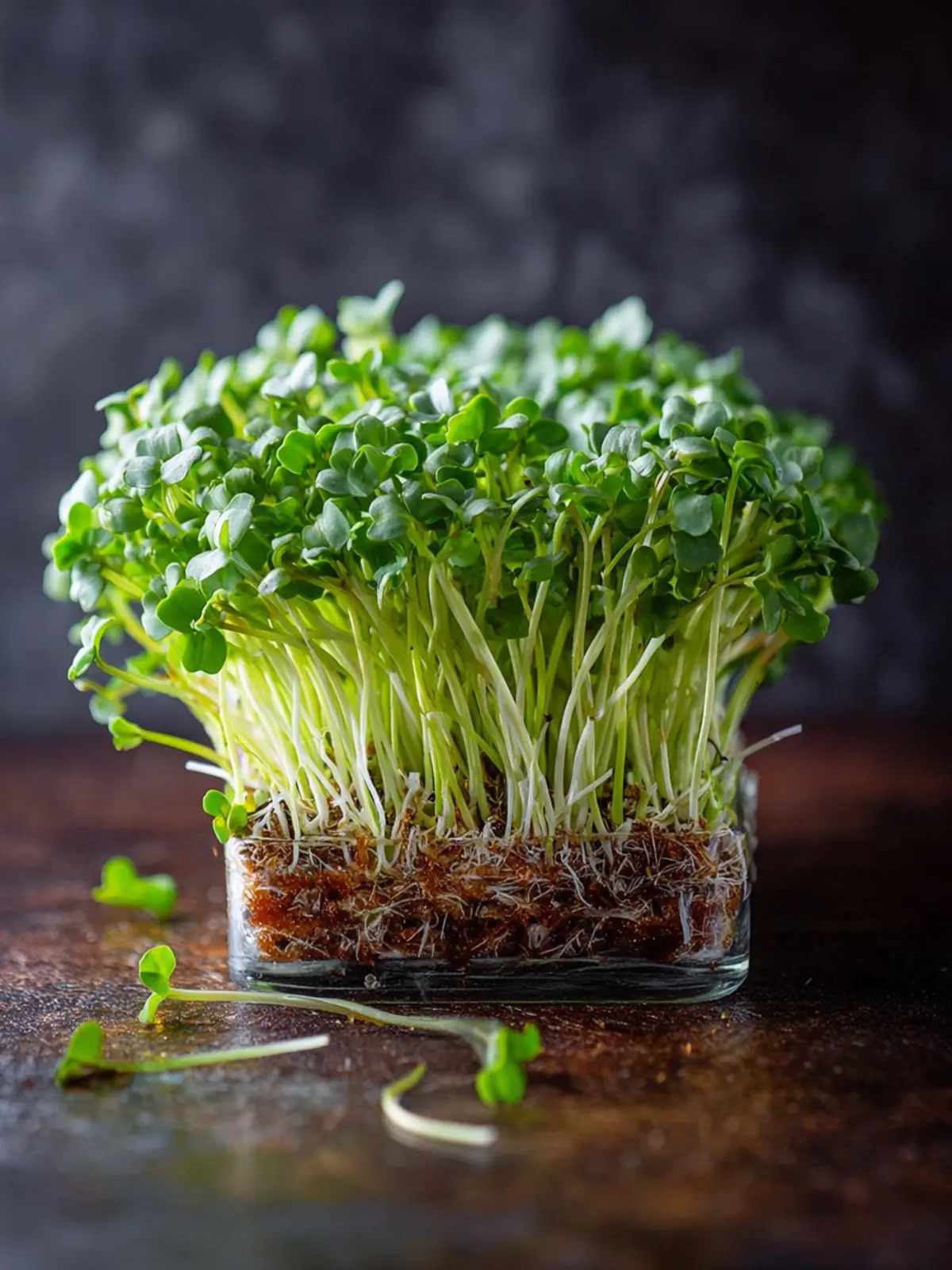
Growing microgreens is incredibly rewarding; it fills your space with vibrant greens while providing a nutrient-rich addition to your meals. To start your journey into how to grow microgreens, consider these essential ingredients:
-
Seeds: A variety of seeds is essential to kickstart your microgreen journey. Popular choices include broccoli, radish, and basil. Look for seeds specifically labeled for microgreen use, as they may have a higher germination rate and fewer contaminants.
-
Growing Medium: Soil or a soilless mix works best for microgreens. A seed-starting mix is ideal, providing good drainage and moisture retention. Coconut coir or peat moss can also be fantastic alternatives.
-
Containers: Shallow trays or containers with drainage holes are perfect for microgreens. You want to ensure there’s enough space for growth while preventing water from pooling, which can cause rot.
-
Light: Microgreens thrive in bright light conditions. A sunny windowsill or grow lights can help your greens flourish. Aim for about 12-16 hours of light daily.
-
Water: Regular watering, ideally using a misting technique, helps keep your microgreens hydrated. Be mindful not to overwater; the goal is to keep the soil consistently moist but not soggy.
With these key ingredients, you’re all set to embark on your microgreen journey!
Why You’ll Love This Microgreens Recipe
When it comes to how to grow microgreens, this delightful recipe will not only elevate your cooking experience but also nourish your body in amazing ways. Imagine inviting a burst of colors and flavors onto your plate, all while reaping the numerous health benefits that come with these tiny powerhouses.
Health Benefits
Microgreens are not just a trendy garnish; they pack a nutritional punch. They’re loaded with vitamins, minerals, and antioxidants. Studies have shown that microgreens can contain up to 40 times more nutrients than their mature counterparts. For example, broccoli microgreens are rich in sulforaphane, linked to various health benefits, including anti-cancer properties. Incorporating them into your meals can enhance heart health, boost immunity, and aid in digestion.
Flavor and Versatility
The beauty of growing microgreens lies in their exceptional flavor and versatility. Whether you’re looking to add a peppery kick with arugula microgreens or a sweet, earthy note from beet microgreens, there’s a variety to suit every palate. You can toss them in salads, layer them on sandwiches, or even blend them into smoothies. The options are endless! Plus, they’re a fantastic way to add a pop of color and freshness to any dish, making your meals not just healthier but visually appealing too.
By learning how to grow microgreens, you’ll fall in love with these tiny greens that make a big impact on your plate and in your life.
Tips for Growing Microgreens Successfully
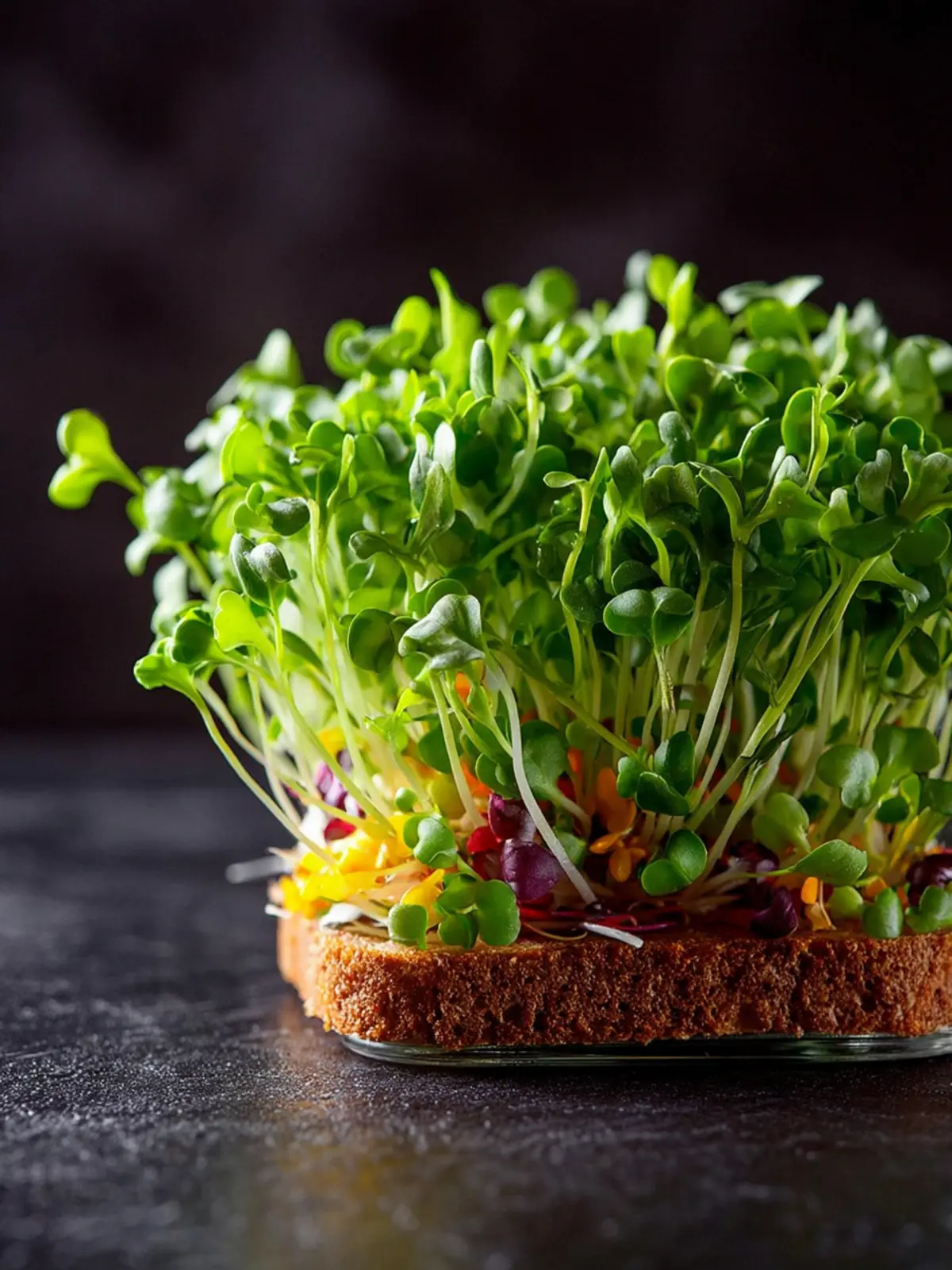
Growing microgreens can be an enriching experience, turning your kitchen into a vibrant oasis of fresh flavors. To achieve success, it’s essential to create the right environment and avoid common pitfalls.
Ideal Conditions for Sprouting
When it comes to how to grow microgreens, understanding their ideal conditions is key.
- Light: Provide at least 4-6 hours of indirect sunlight daily, or use grow lights if natural light is insufficient.
- Temperature: Most microgreens thrive in temperatures between 65°F to 75°F.
- Moisture: Keep the growing medium consistently moist but not soggy. Use a spray bottle for gentle hydration.
Creating these optimal conditions will help your microgreens flourish, allowing them to develop robust flavors and vibrant colors.
Common Mistakes to Avoid
While embarking on your microgreen journey, be mindful of these common missteps:
- Overwatering: Too much moisture can cause mold, so ensure proper drainage in your growing trays.
- Lack of Airflow: Crowded microgreens can become leggy and weak. Give them enough space to grow.
- Ignoring Seed Quality: Use high-quality seeds specific for microgreens to ensure healthy growth and flavor.
By avoiding these pitfalls, you’ll be well on your way to enjoying your homegrown microgreens in no time!
Time Breakdown for Growing Microgreens
Growing your own microgreens is a rewarding journey, transforming tiny seeds into vibrant greens right in your kitchen. If you’re curious about how to grow microgreens, let me break down the timing for you.
Preparatory Time
Before you start planting, you’ll spend about 30 minutes gathering your materials and soaking the seeds. Getting everything ready is half the fun!
Sprouting Time
Watch your microgreens thrive during the sprouting phase, which typically takes 7 to 14 days depending on the variety. This is when you’ll see the seeds transform into little plants.
Total Time to Harvest
From start to finish, you can expect a total time of about 2 to 3 weeks. This includes the initial preparation and the sprouting period. The anticipation is definitely worth it when you finally harvest these nutrient-packed greens for your meals!
Nutritional Information for Microgreens
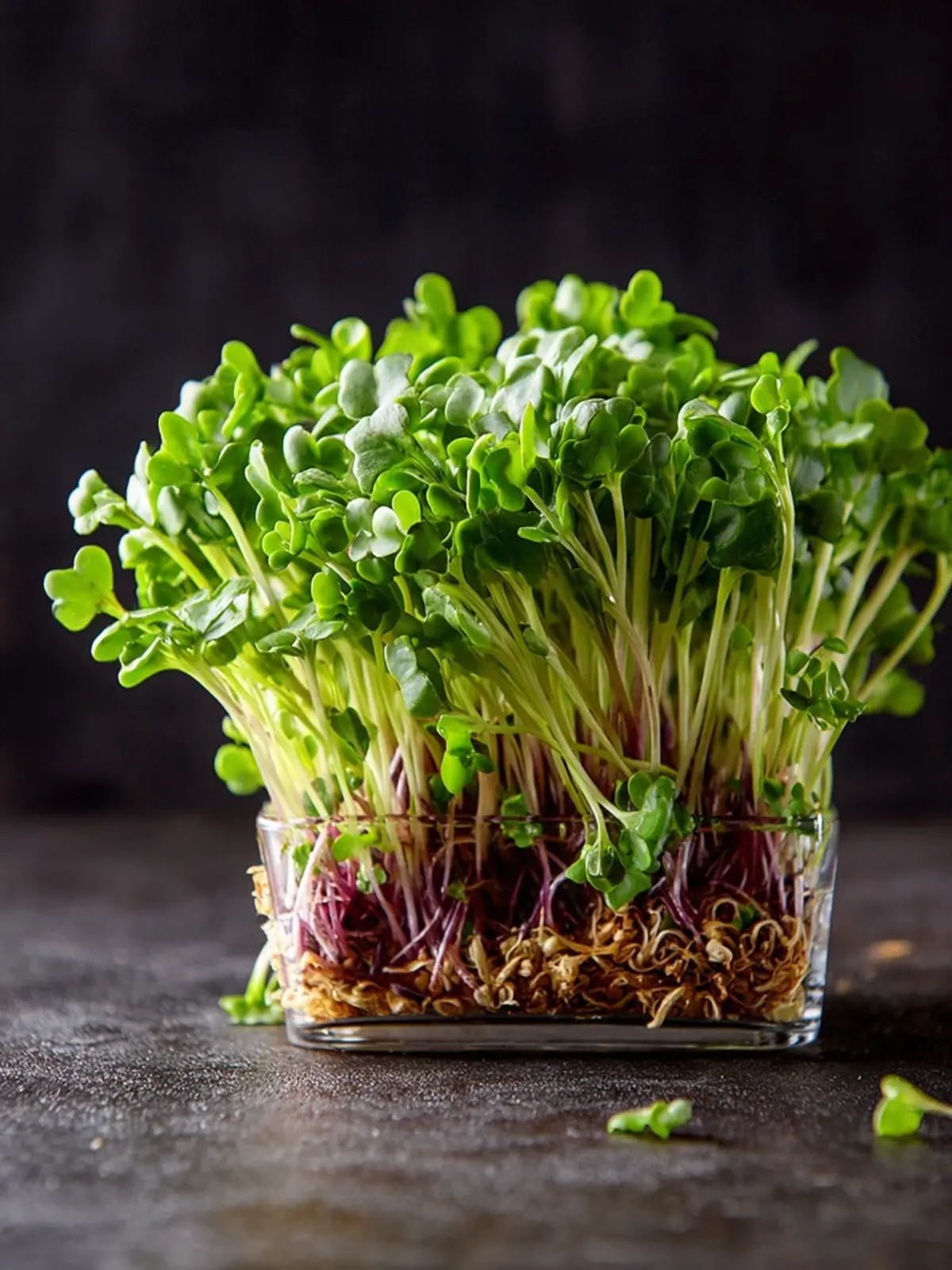
Microgreens are tiny greens packed with significant nutritional benefits. These little powerhouses are not only easy to grow but are also loaded with essential nutrients that elevate any dish.
Vitamins and minerals
Microgreens, often described as miniature versions of vegetables, can contain up to 40 times more vitamins than their mature counterparts. For instance, varieties like kale and spinach are rich in vitamins A, C, E, and K, as well as essential minerals like zinc, magnesium, and iron. This means that by incorporating microgreens into your meals, you’re adding a vibrant boost to your overall nutrient intake.
Antioxidants
In addition to their vitamin content, microgreens are teeming with antioxidants, which help combat oxidative stress in the body. These antioxidants—such as flavonoids and carotenoids—play a crucial role in supporting overall health. Studies suggest that the concentrated levels of these compounds can help improve heart health and reduce inflammation. As you explore how to grow microgreens, be prepared to unlock not just a delightful garnish, but a wealth of health benefits!
FAQs About Growing Microgreens
Growing microgreens can feel like a culinary adventure, bringing fresh flavors right to your kitchen. As you explore how to grow microgreens, you may have questions that we’re excited to help answer.
How long do microgreens take to grow?
Typically, microgreens take about 7 to 21 days to grow, depending on the variety. For example, radish and mustard microgreens can sprout in just a week, while more delicate varieties like basil might take closer to two weeks. Keep an eye on them, as many microgreens are ready to harvest once they develop their first true leaves, commonly known as cotyledons.
Can I grow microgreens indoors?
Absolutely! Growing microgreens indoors is one of their significant advantages. You don’t need a giant backyard or garden space. Just find a sunny windowsill or use grow lights to provide adequate light. The beauty of microgreens is that they can thrive in small containers, making them perfect for apartment living or for those with limited space.
Are all microgreens edible?
Yes, but it’s essential to research as some microgreens are more palatable and nutritious than others. Common edible varieties include broccoli, kale, arugula, and sunflower. Some might have a stronger flavor than others; for instance, mustard microgreens are quite spicy! Always ensure you’re sourcing your seeds from a reputable supplier, especially if you plan to consume them.
As you embark on your journey of cultivating these little greens, remember that patience and curiosity will serve you well. Enjoy the process!
Conclusion on Growing Microgreens
In your journey of learning how to grow microgreens, you’ve unearthed a delightful world of flavor and nutrition. These tiny greens are packed with vitamins and add vibrant color to your dishes, making them an excellent choice for both novice and experienced gardeners. It’s amazing how quickly they sprout, offering a satisfying return on your effort.
As you cultivate your own microgreens, remember to experiment with different seeds, lighting conditions, and watering schedules. Every batch is a chance to refine your technique and discover personal favorites. Enjoy the process, and savor the fresh, homegrown taste of your microgreens in your meals. Happy growing!
Print
Homemade Microgreens
- Total Time: 10 days
- Yield: Varies
- Diet: N/A
Description
This recipe guides you through the process of growing your own microgreens at home.
Ingredients
- 2 tablespoons sprouting seeds (broccoli, radish, kale, chard, arugula, cilantro, chia, buckwheat, etc.)
- 1 5″ x 7″ inch container with lid (or plastic wrap or beeswax wrap)
- 1 5″ x 7″ inch growing mat
- Water
- 1 window
Instructions
- Soak seeds according to directions on the package (6-8 hours). This will hasten sprouting time. Drain. (Alternatively, if you choose, you can skip soaking and spray the seeds with water using a spray bottle, once they are on the mat. This is what I typically do.)
- Soak the growing mat (you want this quite wet) and place it in the container.
- Spread out the seeds as evenly as possible- sometimes giving the container a little shake will help.
- Cover tightly and place near a window. If you don’t have a lid, use plastic wrap or bees wrap, to keep the moisture in. (If it is freezing outside, place it a foot away or so). Inspect daily.
- When most of the seeds have sprouted- this may take up to 5 days-remove the lid. (You may notice some white webbing- this is OK). Keep by the window and water daily. As the sprouts get rooted in the mat, you could drench the pad with water, then pour off the extra water.
- Let the sprouts grow into tall microgreens, with little leaves, 7-10 more days, watering daily.
- To use, cut off what you need at the base, with scissors, leaving the rest to grow. Sprouts keep best if they are growing! If you absolutely must store them, place them in a sealed zip lock bag with damp paper towels in the fridge. They will keep 5-7 days.
Notes
- Inspect your microgreens daily for moisture and growth.
- Adjust light and water based on your environment.
- Prep Time: 8 hours
- Category: Gardening
- Method: Sprouting
- Cuisine: N/A
Nutrition
- Serving Size: N/A
- Calories: N/A
- Sugar: N/A
- Sodium: N/A
- Fat: N/A
- Saturated Fat: N/A
- Unsaturated Fat: N/A
- Trans Fat: N/A
- Carbohydrates: N/A
- Fiber: N/A
- Protein: N/A
- Cholesterol: N/A