
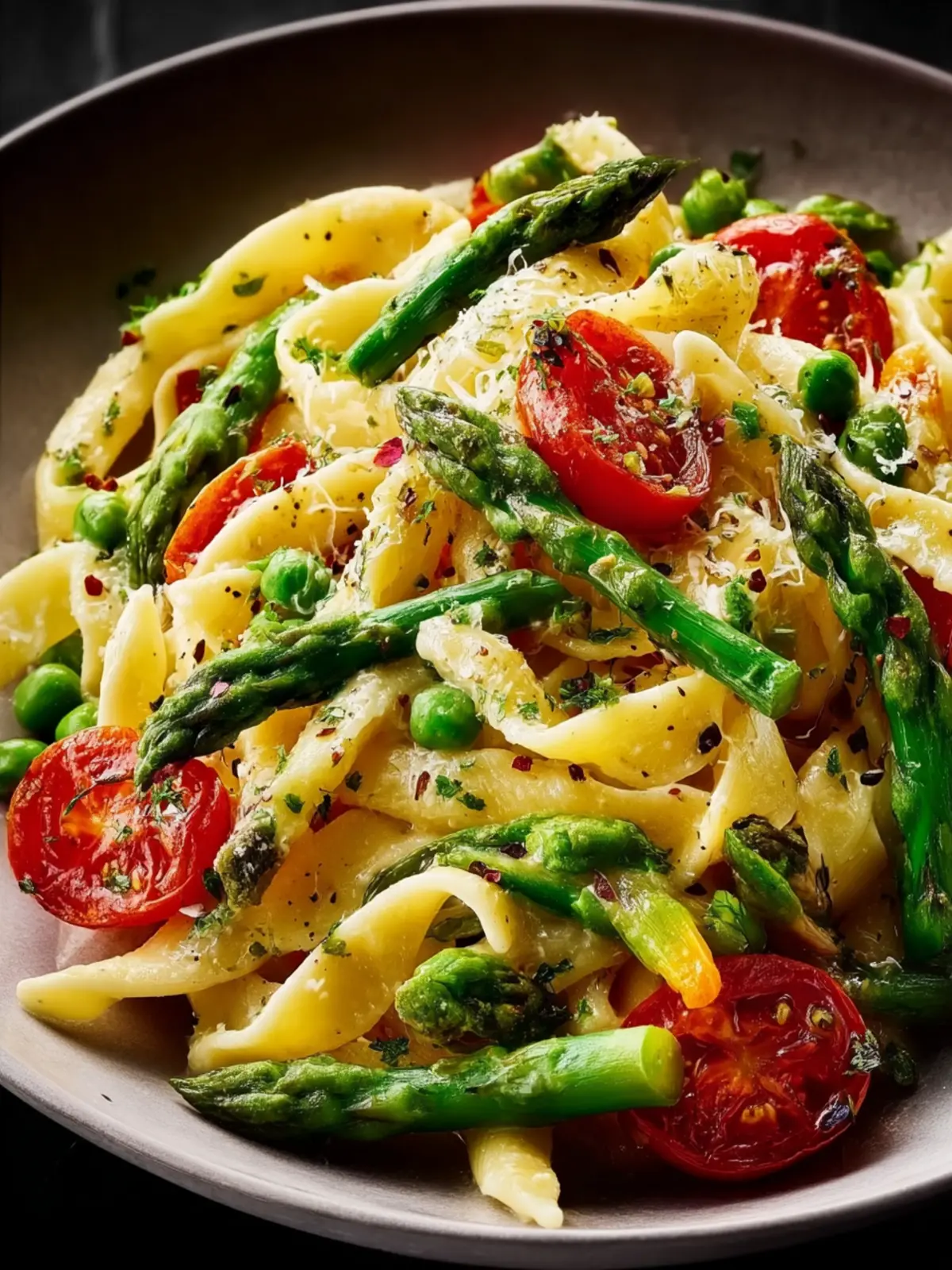
Introduction to Pasta Primavera
Pasta Primavera, with its vibrant colors and fresh flavors, embodies the essence of springtime dining. Picture a sun-drenched garden overflowing with crisp vegetables and aromatic herbs, all waiting to be tossed together into a delightful pasta dish. This charming Italian creation celebrates the bounty of seasonal produce, making it a favorite not just among health-conscious eaters, but also anyone who relishes the dynamic blend of flavors and textures that only nature can provide.
As an easy-to-make yet impressively flavorful meal, Pasta Primavera offers a perfect canvas for culinary creativity. Whether you’re a seasoned chef or just starting out, this dish is forgiving and adaptable. It invites experimentation with whatever veggies you have on hand—think bell peppers, zucchini, and tomatoes, all melded together with your preferred pasta shape. You’ll find that the sky’s the limit when it comes to personalizing your Pasta Primavera to fit your taste preferences.
But what truly elevates this dish is the simplicity of its preparation. A quick sauté of vegetables in olive oil brings out their natural sweetness, while a sprinkle of fresh herbs ties all the flavors together. So, not only is it a visually stunning dish, but Pasta Primavera is also a wholesome option, packed with nutrients. In fact, studies show that meals rich in vegetables, like this one, can improve heart health and reduce the risk of chronic diseases.
Pasta Primavera makes an ideal choice for weeknight dinners, bringing the family together around the table, or for impressing guests at a dinner party. Its versatility shines when combined with various proteins, too, offering a balance between healthy and hearty. Could this dish be the ultimate culinary crowd-pleaser? We think so!
So, let’s roll up our sleeves and dive into making your very own Pasta Primavera. With just a handful of fresh ingredients, you’ll soon discover the joy of crafting this vibrant dish in your own kitchen!
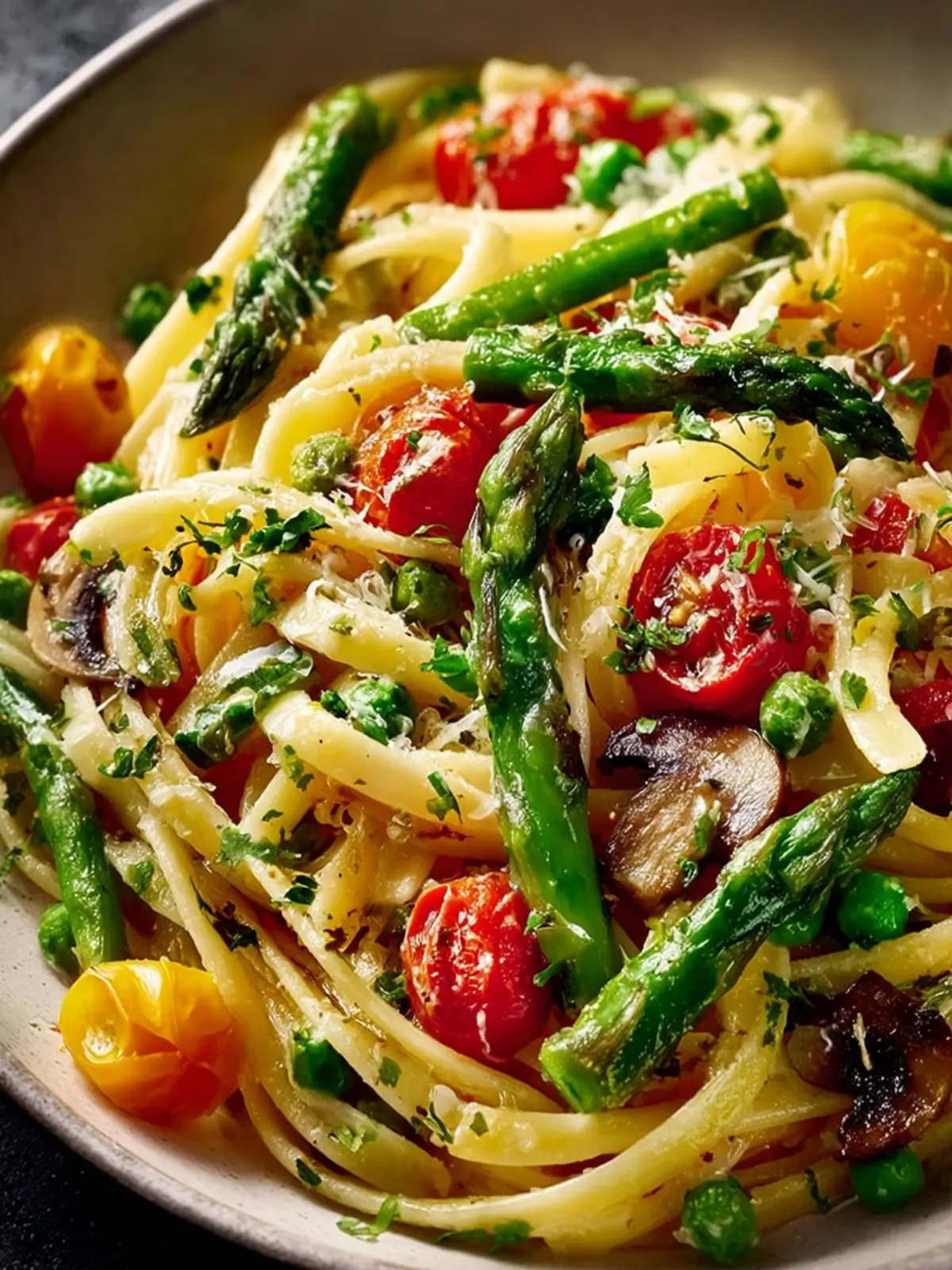
Key Ingredients for Pasta Primavera
Pasta Primavera bursts with fresh, vibrant flavors, and choosing the right ingredients can transform this dish into a stunning, seasonal feast. Here are the key players that make this dish shine.
-
Pasta: I love using penne or fusilli for Pasta Primavera. Their shapes hold onto the sauce and vegetables beautifully. Opt for whole grain or gluten-free pasta if you’re looking for healthier options.
-
Vegetables: The star of the show! Think bell peppers, zucchini, broccoli, and carrots—fresh vegetables provide a delightful crunch and natural sweetness. You can mix and match according to what’s in season or what you have on hand.
-
Garlic: Freshly minced garlic adds an aromatic depth that brings the whole dish together. It’s a small detail that makes a big impact.
-
Olive Oil: A drizzle of high-quality extra virgin olive oil not only enhances flavor but also adds a silky texture. Use it to sauté the vegetables to perfection.
-
Parmesan Cheese: A sprinkle of freshly grated Parmesan offers a salty, nutty flavor that complements the fresh veggies and pasta. Don’t skip this—it’s worth the extra effort!
These ingredients will not only create a delicious Pasta Primavera but also elevate your cooking experience with their freshness and vibrant colors. Enjoy the simplicity and joy of cooking!
Why You’ll Love This Recipe
Pasta Primavera is not just another dish; it’s a vibrant celebration of fresh vegetables and al dente pasta that transports you to sun-drenched Italian gardens with every bite. This recipe embraces the natural flavors of the season, allowing you to savor the essence of summer all year round. Imagine tossing perfectly cooked fettuccine with colorful bell peppers, zucchini, and cherry tomatoes, all bathed in a light garlic and olive oil sauce.
Fresh Ingredients Make All the Difference
-
Vegetables: The star of this recipe is undeniably the fresh vegetables. Each ingredient contributes its unique flavor profile, from the sweetness of bell peppers to the subtle earthiness of asparagus. They’re crisp-tender and bursting with nutrients, making the dish both delicious and healthy.
-
Pasta: A high-quality, Italian pasta brings the dish together. The texture and heartiness of your chosen pasta will enhance the overall experience, giving a delightful chew that pairs beautifully with the sauce and vegetables.
-
Simplicity Is Key: With just a handful of ingredients, you unlock an explosion of flavors. This recipe demonstrates that you don’t need complicated techniques to create an impressive meal; it’s about high-quality ingredients and a little bit of love.
In just about 30 minutes, you can whip up Pasta Primavera, making it the perfect go-to for weeknight dinners or surprise guests. Feel free to customize the vegetables based on what you have on hand, ensuring that each time you prepare it, it’s uniquely yours!
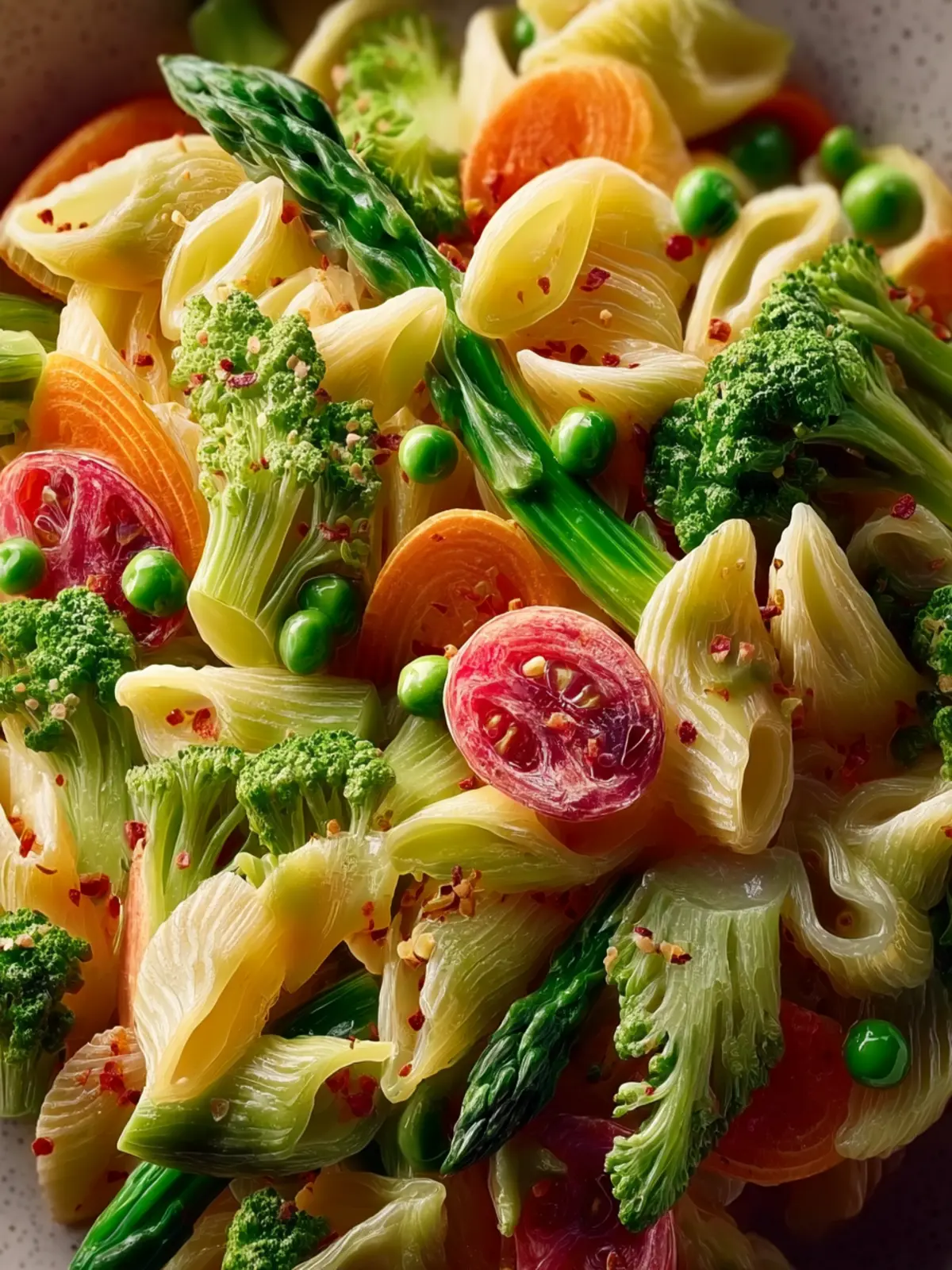
Variations of Pasta Primavera
Exploring different variations of Pasta Primavera can elevate your dining experience and ignite your culinary creativity. This classic dish, traditionally brimming with seasonal vegetables, invites endless possibilities, catering to all tastes and dietary preferences.
Seasonal Veggie Swaps
One of the most exciting aspects of Pasta Primavera is how adaptable the vegetables are. Here are a few variations:
- Spring Delight: Use fresh asparagus, peas, and baby spinach for a light, refreshing twist. Toss them in at the very end for a vibrant presentation.
- Autumn Harvest: Replace summer zucchini and bell peppers with autumn staples like roasted butternut squash and Brussels sprouts, adding heartiness and warmth.
Protein Additions
To transform Pasta Primavera into a protein-packed meal, consider these options:
- Grilled Chicken or Shrimp: A simple addition that pairs beautifully with the vegetables. Lightly marinate the chicken or shrimp with garlic and lemon for added zest.
- Chickpeas or Lentils: Perfect for a vegetarian option, these legumes boost the protein content while remaining satisfying and flavorful.
Saucy Options
The sauce can also take your Pasta Primavera in new directions:
- Pesto Infusion: Substitute traditional olive oil with basil pesto for a rich, herbal flavor that complements the garden-fresh vegetables.
- Creamy Touch: For a comforting version, consider adding a splash of cream or dairy-free alternatives like coconut milk, creating a luscious, creamy sauce that envelops the pasta.
With these variations, Pasta Primavera becomes not just a meal but a canvas for your culinary imagination. What will you create?
Cooking Tips and Notes for Pasta Primavera
Creating a delightful plate of Pasta Primavera is more than just following a recipe; it’s about embracing the vibrant colors and flavors that fresh vegetables can bring to the table. This dish is a celebration of seasonal produce, and even the smallest tweaks can elevate your meal from good to unforgettable.
Selecting the Right Vegetables
The star of any Pasta Primavera is undoubtedly the vegetables. For a rainbow effect, consider using:
- Bell Peppers: Choose a mix of colors – red, yellow, and green add sweetness and crunch.
- Zucchini and Yellow Squash: These vegetables are tender and soak up flavors beautifully.
- Cherry Tomatoes: Their burst of sweetness can brighten any dish; roasting them slightly intensifies that flavor.
Fresh veggies not only enhance the taste but also make the dish visually appealing.
Cooking the Pasta Perfectly
Perfecting your pasta is crucial to the success of your Pasta Primavera. Here are some tips:
- Salt Your Water: A good amount of salt in boiling water enhances pasta flavor, so don’t skip this step.
- Al Dente is Key: Cook your pasta just until it’s al dente—this means it should still have a slight bite. This texture complements the vegetables perfectly.
The Magic of Timing
In terms of cooking, timing is everything. Add your vegetables at different stages depending on their cook times:
- Start with firmer vegetables like carrots.
- Add softer veggies like spinach or zucchini towards the end for a quick sauté.
Achieving the right balance makes all the difference in your Pasta Primavera.
A Splash of Flavor
To elevate the dish, finish with a drizzle of olive oil, a squeeze of fresh lemon juice, and a sprinkle of Parmesan cheese. Not only do these elements add flavor, but they also enhance the dish’s presentation.
Embrace the process and enjoy every bite of your homemade Pasta Primavera!
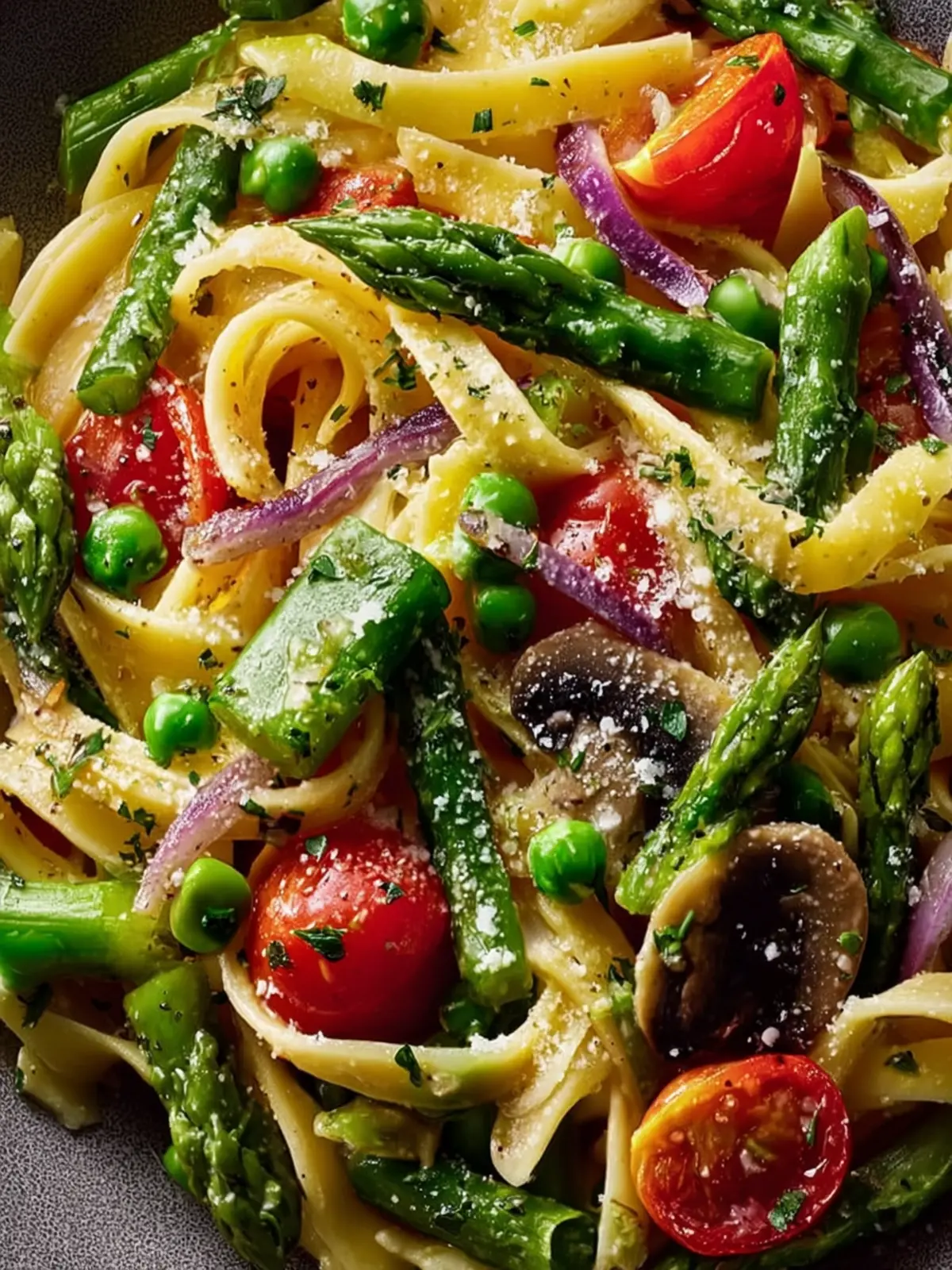
Serving Suggestions for Pasta Primavera
Pasta Primavera is more than just a dish; it’s a celebration of fresh flavors and vibrant colors. When you plate this delightful meal, the possibilities for serving and pairing are endless. Imagine sitting down after a long day, the aroma of garlicky vegetables wafting through your kitchen, your Pasta Primavera ready to shine.
Perfect Pairings
To enhance the experience, consider these simple yet tasty accompaniments:
-
Garlic Bread: The warm, buttery crunch of garlic bread complements the vibrant veggies of your Pasta Primavera. Spread a bit of herb-infused butter and toast it until golden for that irresistible bite.
-
Green Salad: A refreshing side salad can balance the meal beautifully. Opt for a light vinaigrette with mixed greens, cherry tomatoes, and sliced cucumbers to keep the focus on your Pasta Primavera.
-
Cheese Crumble: A scattering of crumbled feta or goat cheese adds a creamy contrast to the crisp veggies. If you’re a cheese lover, sprinkle some freshly grated Parmesan on top for an extra boost of flavor.
Wine Recommendations
Pair your Pasta Primavera with a crisp white wine like Sauvignon Blanc or a light red, such as Pinot Noir. These options enhance the dish’s freshness without overwhelming the palate.
Last-Minute Touches
Finish off your plate with a drizzle of high-quality olive oil or a squeeze of lemon juice to brighten the flavors. This small detail elevates your Pasta Primavera to restaurant-quality status.
These serving suggestions make every bite of your Pasta Primavera experience unforgettable, turning a simple dish into a culinary celebration. Enjoy!
Time Breakdown for Pasta Primavera
Cooking Pasta Primavera can fit seamlessly into a busy lifestyle, making it a beloved choice for professionals looking for a quick yet delicious meal. Understanding the time involved can help you better plan your cooking.
Preparation time
Gathering ingredients and prepping your fresh veggies takes about 15 minutes. A quick chop here and a slice there, and you’ll be ready to roll!
Cooking time
Once the prep is done, cooking the pasta and sautéing the veggies generally takes about 20 minutes. It’s almost like magic watching everything come together!
Total time
In just 35 minutes, you’ll have a delightful Pasta Primavera dish ready to enjoy. Perfect for a busy weeknight or a relaxed weekend gathering!
Nutritional Facts for Pasta Primavera
In the heart of summer, the colorful and vibrant Pasta Primavera takes center stage, showcasing the best of seasonal vegetables. This delightful dish not only pleases the palate but also brings a nutritious punch to your meal. Let’s break down the key nutritional facts.
Calories
A serving of Pasta Primavera generally packs around 300 calories, making it a light yet satisfying option that won’t weigh you down.
Protein
With approximately 10 grams of protein per serving, this pasta is a fantastic source of plant-based protein when combined with your choice of vegetables and perhaps a sprinkle of cheese.
Carbohydrates
Offering about 45 grams of carbohydrates, Pasta Primavera provides the energy you need for a busy day without being overly heavy, perfect for your midday lunch or a light dinner.
Fat
This dish is low in fat, containing roughly 8 grams per serving, especially if you use just a drizzle of olive oil and limit creamy sauces. It’s a heart-healthy choice that embraces freshness and flavor!
FAQs about Pasta Primavera
When craving a delightful dish that celebrates the vibrant tastes of spring, Pasta Primavera often takes center stage. This colorful recipe shines with a medley of seasonal vegetables and can be customized to meet your culinary preferences. Here, we address some common questions that people often have about this refreshing dish.
Can I use different types of pasta?
Absolutely! While traditional Pasta Primavera recipes often call for spaghetti or fettuccine, you can swap in your favorite pasta shapes. Consider using penne for a hearty bite or even gluten-free options like chickpea pasta. The key is to ensure whatever pasta you choose can hold onto the delicious sauce and veggies.
What can I substitute for heavy cream?
If you’re looking to reduce the richness or keep things lighter, several alternatives work beautifully in Pasta Primavera. You might try:
- Coconut milk for a subtle sweetness.
- Greek yogurt for creaminess without all the fat.
- A vegan cream or nut-based cream for those avoiding dairy.
How can I make this dish lighter?
To lighten your Pasta Primavera, focus on incorporating more vegetables while reducing the pasta portion. Opt for whole grain or legume-based pasta, which packs more fiber and nutrients. You can also sauté the vegetables in vegetable broth instead of oil to cut down on calories while still delivering great flavor.
What vegetables can I add to Pasta Primavera?
The beauty of Pasta Primavera lies in its versatility. You can include:
- Bell peppers for crunch.
- Zucchini for a tender texture.
- Asparagus for a fresh, spring touch.
- Spinach, peas, or even broccoli for added nutrition.
Feel free to mix and match according to your taste or what’s seasonal!
Can I make Pasta Primavera vegan?
Certainly! To whip up a vegan version of Pasta Primavera, simply replace any dairy ingredients with plant-based alternatives. Swap heavy cream for nut milk or cashew cream, and make sure to use vegan parmesan or nutritional yeast for that cheesy flavor. With these easy swaps, you can enjoy a fabulous and compassionate dish that everyone will love!
Conclusion on Pasta Primavera
To summarize our exploration of Pasta Primavera, this dish embodies the essence of fresh, seasonal cooking. It’s a colorful celebration of vegetables, complemented perfectly by the al dente pasta and light sauce. Whether you’re preparing a weekday dinner or impressing friends at a gathering, Pasta Primavera can be easily tailored to individual tastes. Experimenting with different vegetables not only enhances flavor but also adds a vibrant visual appeal. Next time you serve this dish, consider sharing your unique twist on the recipe—there’s always room for creativity in the kitchen. Enjoy your culinary journey!
Print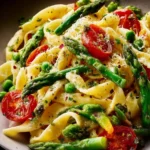
Creamy Vegetable Pasta
- Total Time: 30 minutes
- Yield: 4 servings 1x
- Diet: Vegetarian
Description
A delicious and creamy pasta dish loaded with mixed vegetables and topped with fresh herbs.
Ingredients
- 8 oz pasta (fettuccine, penne, or spaghetti)
- 2 cups mixed vegetables (bell peppers, zucchini, cherry tomatoes)
- 1 tablespoon olive oil
- 2 cloves garlic, minced
- 1 cup heavy cream
- 1/2 cup grated Parmesan cheese
- 1 lemon (juiced and zested)
- to taste salt and pepper
- to garnish Fresh herbs (e.g., basil or parsley)
Instructions
- Bring a large pot of salted water to a rolling boil. Once bubbling, toss in the pasta and cook according to package instructions until it’s al dente. Drain and set aside.
- Heat olive oil in a skillet over medium heat. Add the minced garlic and mixed vegetables, sautéing until tender, about 5-7 minutes.
- Reduce the heat to low and pour in the heavy cream, stirring to mix with the garlic and veggies.
- Add the Parmesan cheese, lemon juice, and zest, stirring until the cheese melts and the sauce is creamy.
- Season with salt and pepper to taste.
- Toss the cooked pasta with the sauce until evenly coated.
- Serve warm, garnished with fresh herbs.
Notes
- You can use any type of pasta for this dish, and feel free to mix in your favorite vegetables.
- For a lighter option, you can substitute the heavy cream with a plant-based cream.
- Prep Time: 10 minutes
- Cook Time: 20 minutes
- Category: Main Course
- Method: Stovetop
- Cuisine: Italian
Nutrition
- Serving Size: 1 serving
- Calories: 450
- Sugar: 3g
- Sodium: 500mg
- Fat: 25g
- Saturated Fat: 14g
- Unsaturated Fat: 8g
- Trans Fat: 0g
- Carbohydrates: 40g
- Fiber: 3g
- Protein: 12g
- Cholesterol: 60mg