
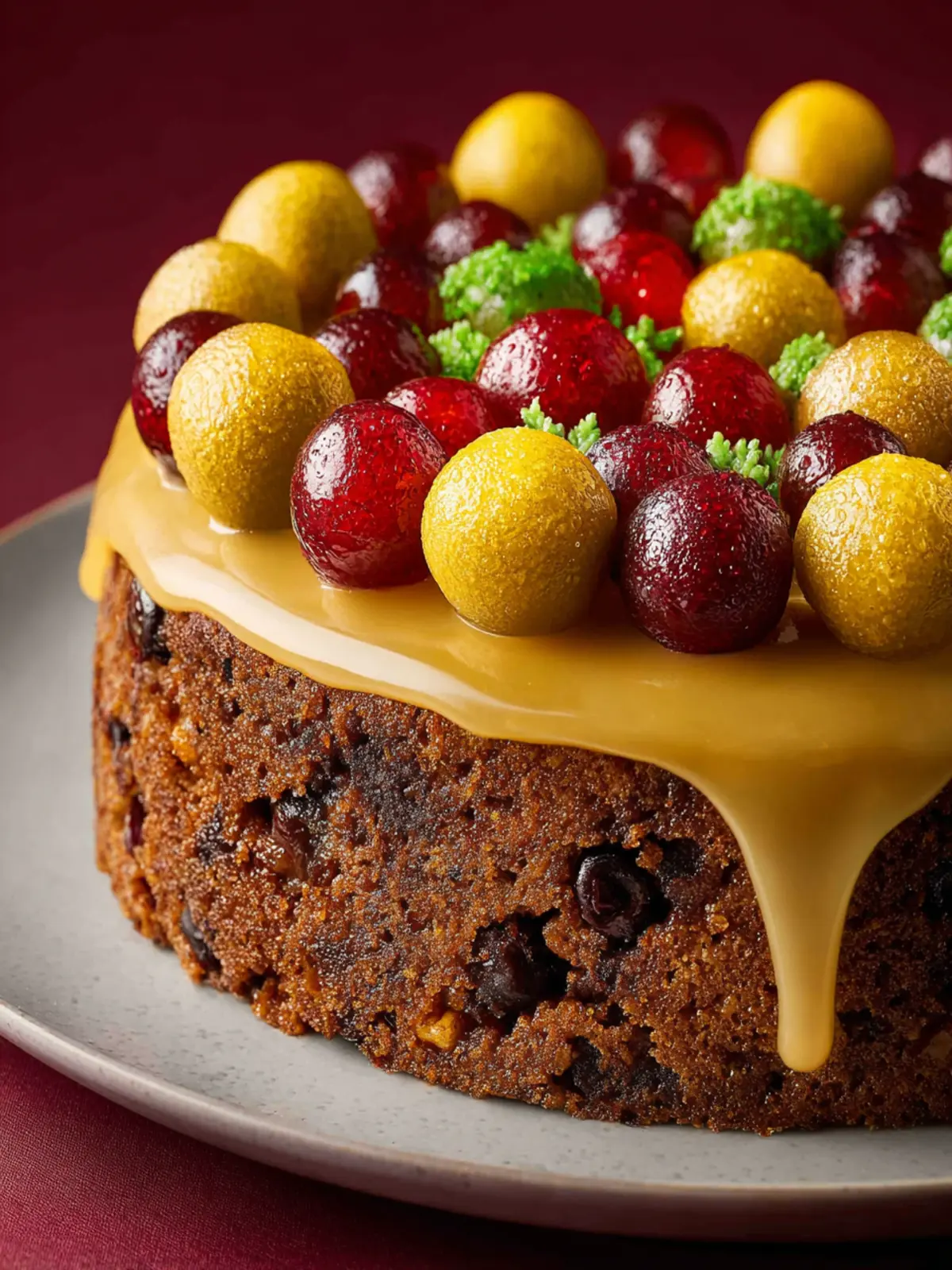
Introduction to Simnel Cake
Imagine a cake that embodies the spirit of spring with its rich flavors and historical significance—this is exactly what simnel cake offers. Originating from medieval England, this delightful treat tells a story that connects us to the past, traditionally made to celebrate the resurrection of Christ during Easter. The richness of the cake combined with its beautifully decorated marzipan top makes it not just a dessert but a centerpiece of festivity.
So why is it called ‘simnel’? The name is thought to derive from the Latin word simila, which means fine flour. This reflects the quality ingredients that go into making this decadent cake. Traditionally, simnel cake is a fruitcake consisting of layers of marzipan, studded with dried fruits, and spices, creating a moist and flavorful delight. It’s often decorated with eleven marzipan balls representing the apostles minus Judas, symbolizing unity and redemption.
When it comes to enjoying simnel cake, the best time to serve it is during the Easter season. Families often bake it together, creating a warm and inviting atmosphere filled with joy and laughter. In many homes, the smell of the cake baking becomes an essential part of Easter traditions, reminiscent of generations past.
This cake isn’t just about taste; it embodies the spirit of reconciliation and hope, much like the Easter season itself. During this time, it becomes common to see simnel cake gracing dining tables, shared amongst friends and family.
Whether you are continuing a beloved family tradition or starting a new one, simnel cake is sure to bring a slice of history and joy to your celebrations. The journey of baking this cake can be a wonderful bonding experience with loved ones, reminding us that even the simplest recipes can have profound stories and traditions behind them. So, roll up your sleeves, and let’s dive into the world of simnel cake!
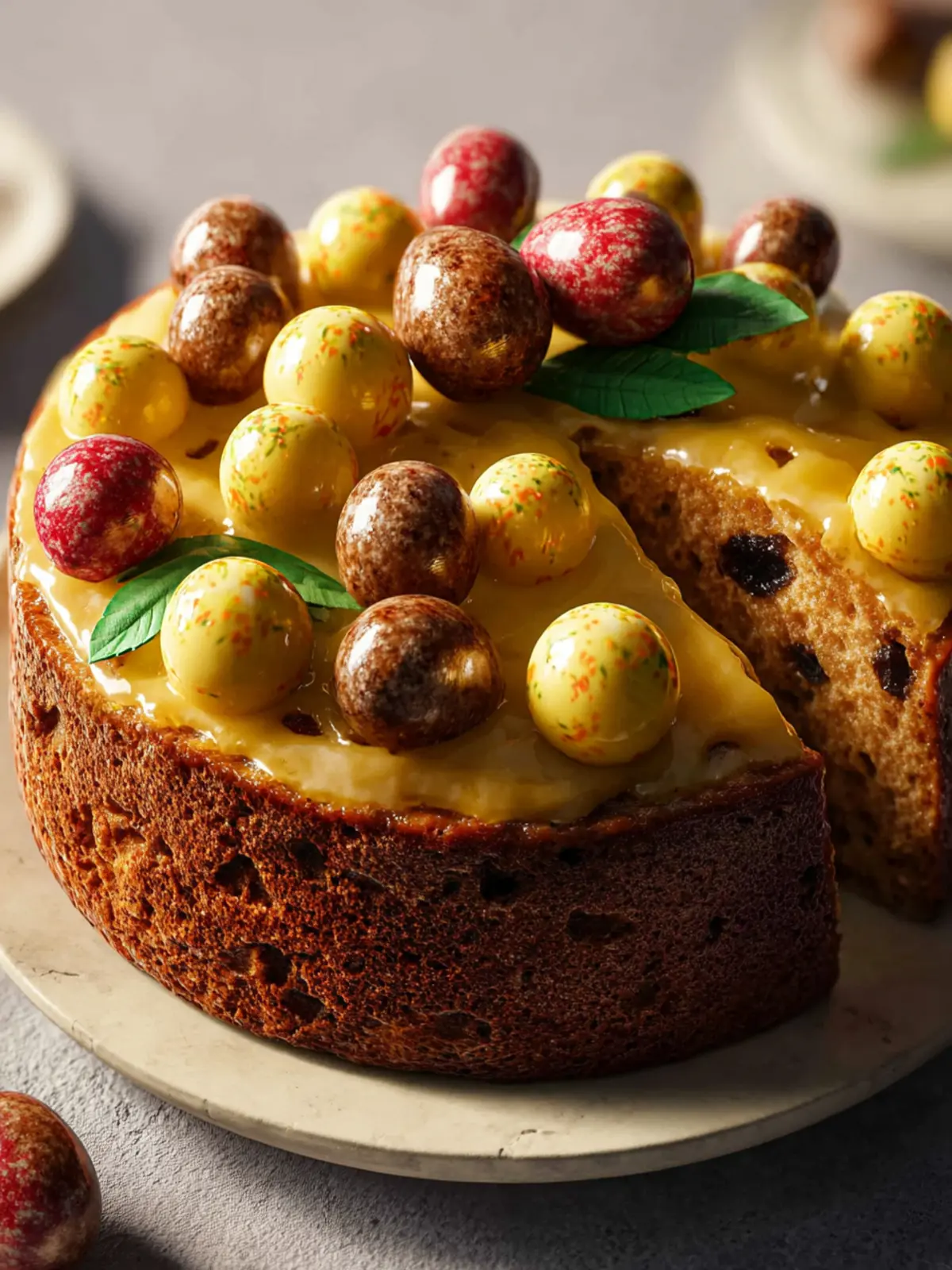
Key Ingredients for Simnel Cake
In crafting a delightful simnel cake, you’ll find that each ingredient plays a vital role in creating this traditionally rich and flavorful treat. As you journey through making this cake, understanding these key components will enhance your baking experience.
-
Dried Fruits: The heart of any simnel cake lies in its mix of dried fruits. I prefer using a combination of currants, sultanas, and raisins, as they bring a burst of natural sweetness and chewiness that pairs wonderfully with the cake’s rich texture.
-
Marzipan: This sweet almond paste is essential for the iconic layers of a simnel cake. Not only does it add sweetness, but its smooth texture complements the cake beautifully when rolled out and placed on top before baking.
-
Butter: This is a crucial ingredient in the batter. I always use unsalted butter for its rich flavor. It creates a moist crumb while also supporting the cake’s structure.
-
Sugar: I opt for a mix of soft brown sugar to add depth of flavor and granulated sugar for sweetness. This balance helps in achieving the perfect moisture.
-
Flour: All-purpose flour is used here, providing the right consistency without being too heavy. It supports the cake’s delightful rise.
-
Eggs: They bind the ingredients together, giving the cake its structure and richness. For the best results, I always use room temperature eggs so they blend effortlessly.
Baking a simnel cake is not just about the ingredients, but also about the love and tradition that go into its preparation.
Why You’ll Love This Simnel Cake
The simnel cake is not just a dessert; it’s a slice of history and tradition that offers a delightful experience with every bite. Originating from medieval England, this rich fruit cake is traditionally associated with Mothering Sunday. It’s layered with marzipan and adorned with a circle of eleven marzipan balls, symbolizing the apostles, minus Judas. Each step of making this cake feels like an event, whether it’s the aroma of spiced fruit baking in your oven or the careful layering of marzipan that creates a festive touch.
Here are a few reasons why this cake is a must-try:
-
Versatility: While simnel cake is a staple during Easter, its moist texture and fruity flavors make it a great choice year-round. Pair it with tea or serve it at festive gatherings for an elegant touch.
-
Culinary Fun: Getting hands-on with marzipan is a playful experience, especially if you’re making it with friends or family. It turns baking into a shared event, complete with creativity and laughter.
-
Rich History: Sharing a slice of simnel cake isn’t just about indulging in something delicious; it’s also about passing down traditions and stories. You’ll find that each recipe has its own unique twist, inviting you to make it your own.
So, if you’re ready to combine history with flavor, this cake will surely win your heart.
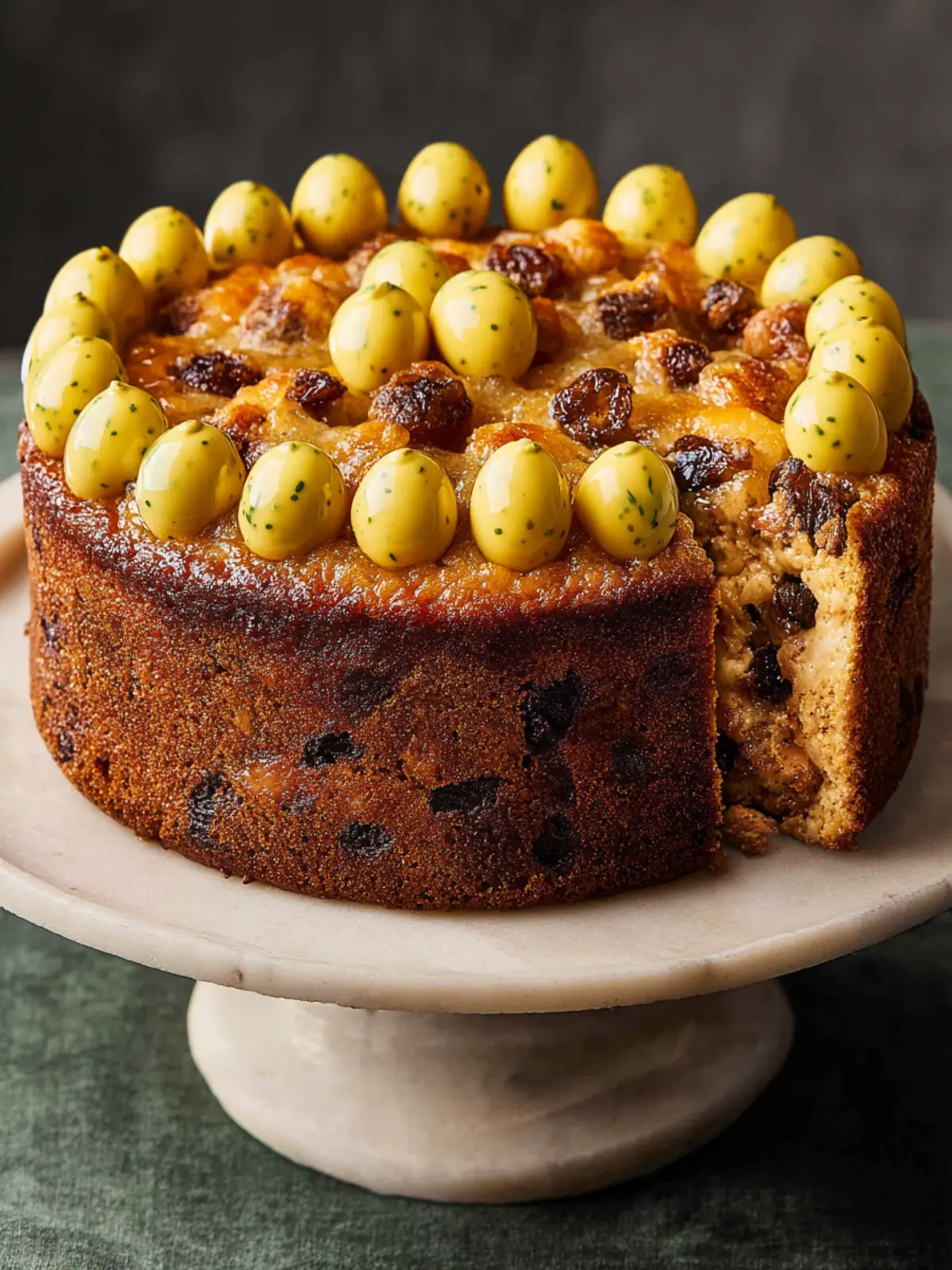
Cooking Tips and Notes for Simnel Cake
Creating a simnel cake is more than just following a recipe; it’s a delightful journey through rich history and splendid flavors that bring families together, especially during Easter. This traditional fruitcake is packed with symbolism, and mastering it can elevate any baking repertoire.
Choosing the Right Ingredients
-
Fruits: Using a mixture of dried fruits like currants, raisins, and sultanas will give your simnel cake depth. It’s worth soaking them in tea or even brandy a few hours before baking to enhance their flavors and moisture levels.
-
Marzipan: For that perfect smooth finish, opt for high-quality marzipan. Rolling it out to about 5mm thick will ensure a beautiful and even layer on your cake.
-
Spices: Traditional recipes often include mixed spices like cinnamon and nutmeg. These can elevate your simnel cake by adding warmth and complexity.
Baking and Decorating Tips
-
Baking Time: Be sure to check the cake with a skewer about 10 minutes before the end of the suggested baking time. Overbaking can lead to a dry cake, and that’s the last thing you want!
-
Layering Marzipan: Once cooled, remember to add a layer of marzipan on top of the cake before the final bake. If you want a slight char, use a blowtorch or a hot grill to gently toast the marzipan layer before adding decorative balls.
-
Storage: A simnel cake can keep beautifully for weeks when stored in an airtight container, making it a fantastic treat to enjoy long after the holiday is over.
Final Touches
Add your own twist with a drizzle of icing for extra sweetness or use festive decorations to make your simnel cake a centerpiece. It’s all about personal touches that make your cake unique!
Serving Suggestions for Simnel Cake
A Simnel cake is not just any cake; it carries the weight of tradition with every slice, symbolizing the joy of Easter and family gatherings. Once you’ve baked this delightful cake, you’ll want to serve it in ways that celebrate its rich history and delicious flavors. Here are some friendly suggestions to elevate your Simnel cake experience.
Classic Presentation
- Slice and Serve: For a traditional approach, slice the cake into wedges and serve it plain, allowing the elegant marzipan and fruitcake flavors to shine through. It pairs beautifully with a cup of tea or coffee, making it a perfect afternoon treat.
Pairing with Toppings
-
Whipped Cream or Crème Fraîche: A dollop of lightly sweetened whipped cream or tangy crème fraîche can add a lovely contrast to the sweetness of the cake. This creamy addition also helps to balance the rich flavors of the marzipan.
-
Fresh Berries: Consider serving your Simnel cake alongside fresh berries—such as raspberries or strawberries. The tartness of the berries complements the cake beautifully, bringing a colorful arrangement to your serving platter.
Special Occasions
- Celebratory Layering: If you are celebrating a special occasion, layer slices of Simnel cake with additional marzipan or fruit preserves. Not only does this add visual interest, but it also enhances the flavor profile.
Incorporating these serving suggestions will transform your Simnel cake from a simple dessert into a centerpiece for any occasion, inviting everyone to gather around and enjoy the feast!
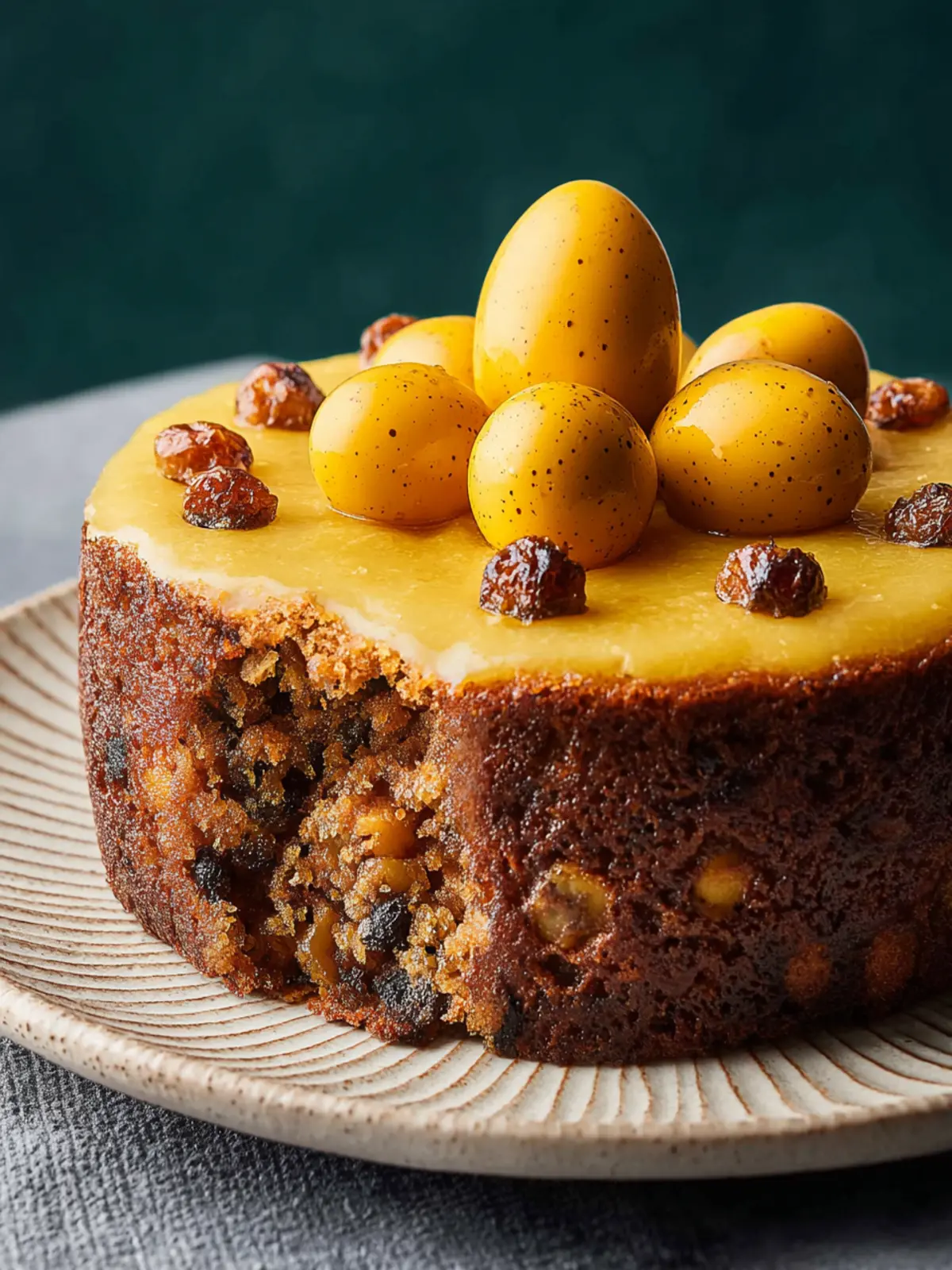
Time Breakdown for Simnel Cake
When you’re ready to impress friends or family with your delightful simnel cake, knowing how to manage your time can make all the difference. Let’s dive into the crucial timings that will have you enjoying this delicious treat without a shred of stress!
Preparation Time
Getting everything ready for your simnel cake takes about 30 minutes. This includes gathering all your ingredients, weighing everything out, and mixing up your batter just right.
Baking Time
Your cake will need around 1 hour in the oven. You’ll want to keep an eye on it as it rises and turns a lovely golden brown. Using a toothpick to check for doneness is always a good idea; it should come out clean when the cake is ready.
Cooling Time
Once out of the oven, allow your simnel cake to cool in the pan for about 10 minutes before transferring it to a wire rack. Give it at least another hour to cool completely before you indulge in the delicious layers of marzipan and fruit.
This timing will ensure your cake is perfectly baked and ready to wow your guests!
Nutritional Facts for Simnel Cake
Simnel cake is more than just a delightful festive treat; it’s packed with intriguing nutritional benefits that can surprise you! Whether you’re sharing it with family during Easter or enjoying a slice with tea, let’s explore the nutritional aspects of this traditional cake.
Calories
A typical serving of simnel cake contains approximately 300 calories. While it’s rich and indulgent, enjoying it in moderation helps balance your diet.
Carbohydrates
With about 50 grams of carbohydrates per slice, this cake serves as a comforting source of energy, making it a great pick-me-up during busy days.
Sugar Content
The sugar content can fluctuate, but generally, expect around 20 grams in each slice. This sweetness comes from the dried fruits and marzipan, offering a delightful flavor profile.
Protein
For those wondering about simnel cake’s protein content, you can find around 5 grams per serving. This provides a bit of nutritional balance amidst the sweetness, thanks to the eggs and nuts used in the recipe.
FAQs about Simnel Cake
Simnel cake has become a beloved treat that captures the essence of Easter celebrations and family gatherings. As you dive into making this delightful cake, it’s natural to have questions. Here are some common queries to help you on your baking journey.
Can I Make Simnel Cake Ahead of Time?
Absolutely! In fact, making simnel cake a few days in advance can enhance its flavor as the ingredients have time to meld. Just be sure to store it properly, which leads us to the next question.
How Do I Store Simnel Cake?
For optimal freshness, wrap your simnel cake tightly in plastic wrap and store it in an airtight container. It can stay fresh at room temperature for about a week. If you’d like to keep it longer, consider freezing it after it cools completely. Just remember to allow it to thaw at room temperature before serving.
Can I Substitute Ingredients in Simnel Cake?
Certainly! If you’re missing ingredients or have dietary preferences, feel free to make substitutions—almond flour can replace part of the all-purpose flour, and you can use dried fruit of your choice. However, keep in mind that changes can affect the flavor and texture.
Is Simnel Cake Suitable for Vegetarians or Vegans?
Simnel cake is traditionally vegetarian, as it includes eggs and butter. For a vegan version, you could experiment with plant-based butter and flax eggs as a substitute. Just know the result may differ slightly from the classic taste.
What is the History Behind Simnel Cake?
With roots tracing back to the Middle Ages, simnel cake was originally associated with Lent. Bakers would prepare this special cake during the season to celebrate the approaching Easter. The eleven marzipan balls on top symbolize the apostles, excluding Judas, reflecting its deep-rooted significance in Easter traditions.
Conclusion on Simnel Cake
In summary, simnel cake is more than just a dessert; it’s a delightful slice of history that resonates with tradition. With its rich blend of dried fruits, zesty citrus, and subtle spices, each bite is a celebration of Easter and craftsmanship. Whether you’re baking it for a cozy family gathering or to impress friends at a holiday brunch, the joys it brings are profound. Remember, achieving the perfect simnel cake takes patience, especially with the marzipan layer. Try it out, and savor the warmth of this charming cake as it becomes a cherished part of your own culinary repertoire. Happy baking!
Print
Dried Mixed Fruit Cake
- Total Time: 300 minutes
- Yield: 12 servings 1x
Description
A delicious and moist dried mixed fruit cake, perfect for festive occasions and family gatherings.
Ingredients
- 600 g Dried mixed fruit
- 150 ml Apple juice
- 1 Lemon (Juice and zest)
- 3 Eggs
- 150 g Plain flour
- 1 tsp Baking powder
- 185 g Unsalted butter (Room temperature)
- 1 tsp Ground cinnamon
- 1 tsp Ground ginger
- 150 g Light brown soft sugar
- 500 g Marzipan
- 3 tbsp Apricot jam
- 1 Egg (Beaten)
Instructions
- Put the dried mixed fruit, apple juice and lemon juice and zest, into a large bowl and mix well.
- Either leave to soak overnight covered with cling film or put in a microwavable bowl and microwave 5 minutes until the fruit has softened and some of the liquid has been absorbed, then set aside for 1 hour to cool.
- Line the base and sides of an 18cm deep sided cake tin with baking paper, then line the outside to. Do this by taking another sheet of baking paper twice the height of your tin, folded in half and wrap it around the outside and secure it tightly with some string.
- When you’re ready to make the cake, preheat the oven to 120°C/250°F fan, 140°C/280°F, Gas Mark 1.
- In a large bowl, mix the soaked fruit and liquid, eggs, flour, baking powder, butter, cinnamon, ground ginger and sugar. Beat well with a handheld electric whisk or a wooden spoon, until the mixture is combined and there are no pockets of flour remaining.
- Cut the marzipan into 3 equally sized pieces (each weighing around 160g), wrap 2 of them in cling film and set to one side. Roll the remaining piece of marzipan out 5mm thick and cut out an 18cm circle, the same size as your tin.
- Pour half of the cake mixture into your lined tin and place the marzipan circle on top.
- Add the remaining half of cake mix to the tin, smooth the top so it is level and bake for 3 hours.
- After this time, check the cake is cooked by inserting a skewer into the middle. If any cake mixture remains on the skewer, bake for a little longer. The cake should be an even gold colour.
- Remove the cake from the tin and leave to cool.
- When the cake is cool, roll one of the reserved thirds of marzipan out to 5mm thick and cut an 18cm circle, using the cake tin as a guide.
- Brush the apricot jam over the top of the cake and place the marzipan on top. Pinch in the edges for a nice finish.
- Cut the last third of marzipan into 11 even pieces and roll into balls.
- Brush the marzipan with the beaten egg and stick the 11 balls (weighing around 15g each) evenly around the outside edge of the cake and brush them with the beaten egg too.
- Heat the grill to high and place the cake underneath for a few minutes until the marzipan starts to caramelise.
- Leave to cool and serve.
Notes
- This cake improves with age, so feel free to make it a few days in advance.
- Ensure the marzipan is fresh for the best results.
- Store the cake in an airtight container to maintain freshness.
- Prep Time: 120 minutes
- Cook Time: 180 minutes
- Category: Dessert
- Method: Baking
- Cuisine: British
Nutrition
- Serving Size: 1 slice